

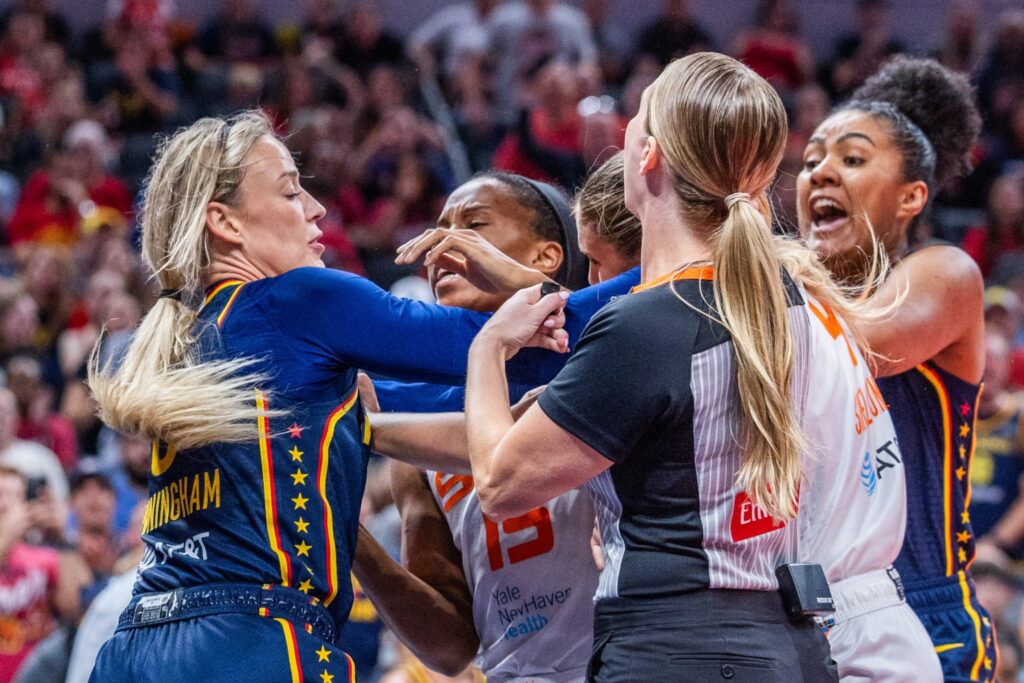
With the emotions running high, the situations getting out of control, and the dire need to win the game, players sometimes lose control and cross the ‘behavioral conduct’ line. While this is natural in all sports, the punishments and rules differ as per the league. In the WNBA, players may be suspended for infractions like misconduct, on-court altercations, or off-court conduct contrary to league policy. Players are not, however, left vulnerable; there is a WNBA suspension appeals process that protects players from unfair judgment.
The WNBA Collective Bargaining Agreement (CBA) between the players’ union (WNBPA) and the WNBA affects the appeal process. Currently, there is a grievance and appeal process designed to guarantee fairness and due process.
Can Players Challenge WNBA Suspensions Through Appeals?
Yes, players are entitled to appeal their suspensions, but with significant conditions; they must go through the Union or even apply individually if they feel the need. Under Article XXII of the CBA, only the player or the WNBPA (with the player’s consent) may seek arbitration to appeal a suspension.
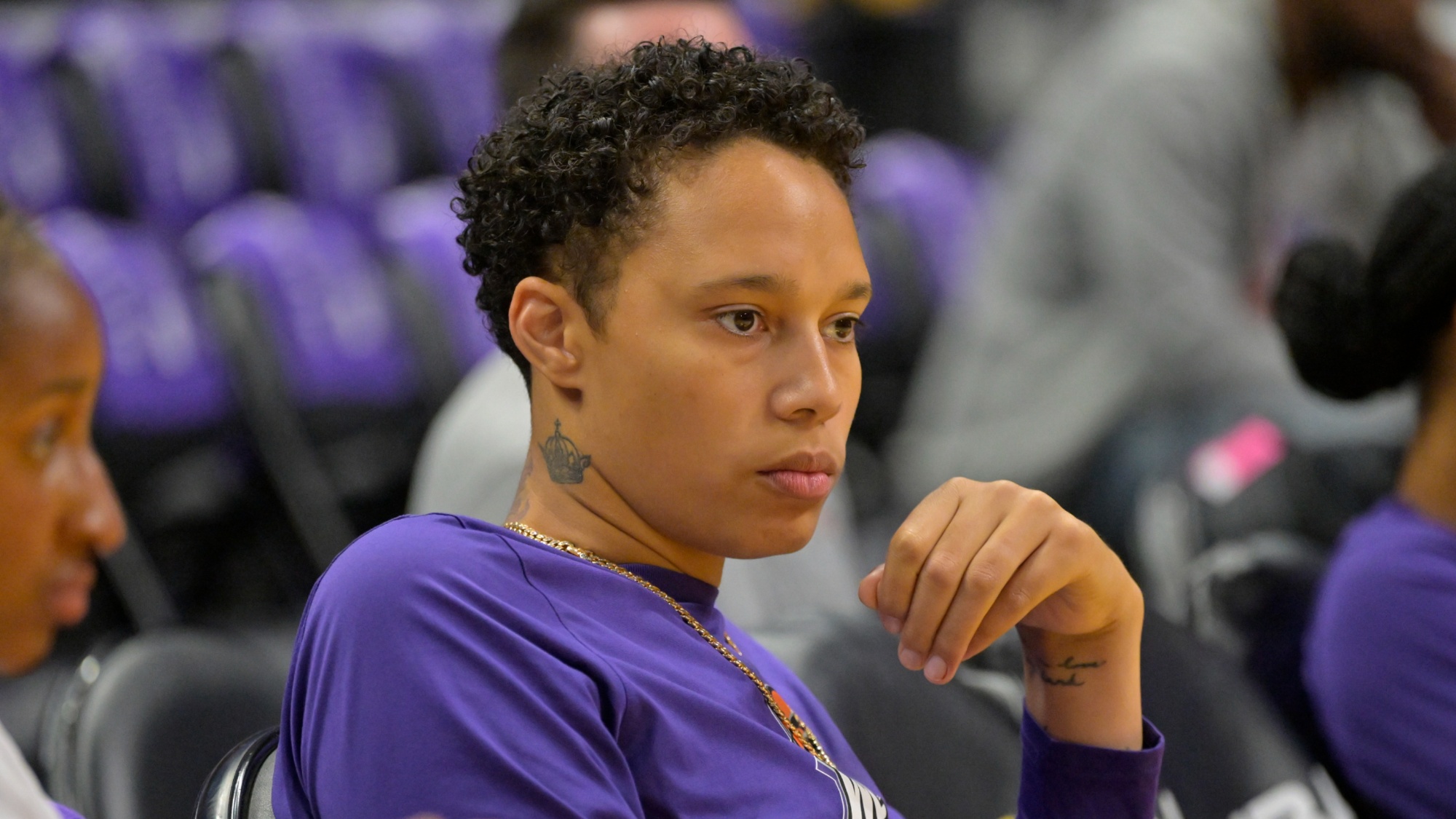
In 2015, following the Brittney Griner and Glory Johnson altercation, the union said it would appeal the seven-game suspensions—but only with the agreement of the players. With this, there are certain rules and steps to appeal. Let us go one by one.
First, there are time limits. The CBA provides a time window in which to file—an appeal (Arbitration Notice) must be filed by a player or the WNBPA within 20 days of notice of discipline. Then, it may advance to arbitration as established in the CBA. The two parties sit down and try to settle the issue amicably. In the event that they fail to resolve the issue, they go to arbitration.
Not every disciplinary action is arbitrable. To be arbitrable, player discipline must cross certain thresholds—namely, greater than $550 in lost base salary if and only if the league levies it.
Scroll to continue reading
Trending WNBA News








Who Determines Final Resolution Of An WNBA Suspension Appeal?
The final choice rests in the hands of a neutral arbitrator, selected with care by both sides through the CBA’s mechanism. According to CBA rules, the WNBA and the WNBPA together appoint an impartial arbitrator. In case they fail to reach a consensus, they request the CPR Institute (International Institute for Conflict Prevention and Resolution) to name a list of 11 lawyers who have no recent connections with players, agents, teams, or leagues.
Each party then eliminates up to 5 names until they reach the final name. In case of continued disagreement, the CPR Institute finally makes the appointment.
The hearing takes place, usually in New York, at league or players’ offices. Formal evidence rules don’t necessarily apply as the arbitrator has discretion. Both the team and the player present their case and evidence. The arbitrator must make a written decision within 30 days of the hearing’s completion. That decision—the “award”—is binding and final on the player, union, team, and league.
Though parties can technically request that a federal court vacate an arbitrator’s award, such requests rarely succeed under U.S. labor law, which respects arbitrator rulings.
The WNBA makes its unfairness to players unfairness from retaliation impossible by offering players the opportunity to contest suspensions—and establishing a formal, transparent way to do so through the CBA. Players can contest suspensions, individually or through the WNBPA, with the approval of the player.
The WNBA suspension appeals filing must be within 20 days and meet financial requirements when required. Neutral arbitration resolves the matters. The arbitrator, selected by mutual consent, hears each side and makes a binding determination within 30 days.