

The WNBA operates under a system of structured regulation to ensure fairness, competitive balance, and strategic possibility. One of the most important elements that dictates how teams construct their rosters is the WNBA Lottery Odds System. It establishes the sequence by which teams—most notably those that did not make the playoffs due to poor win percentages—draft new players in the yearly draft.
Familiarity with the lottery system is essential to fans and teams; it dictates rebuilding plans, player development, and franchise development over the long haul. In simple terms, the WNBA draft lottery shapes the future of the league as a whole, with new players coming in with their diverse talents.
What Are Current WNBA Lottery Odds For Non Playoff Teams?
Every WNBA season, four teams that did not qualify for the playoffs participate in a draft lottery to settle the order of the top four draft choices. For the team with probabilities for the top pick, many factors matter. Rather than using the last season itself, lottery odds now use the team’s overall win-loss record across the last two seasons. This discourages deliberate loss by leveling out the aberrations that a one-season failure may introduce. The sides with multiple injuries in one season will not be part of the system.
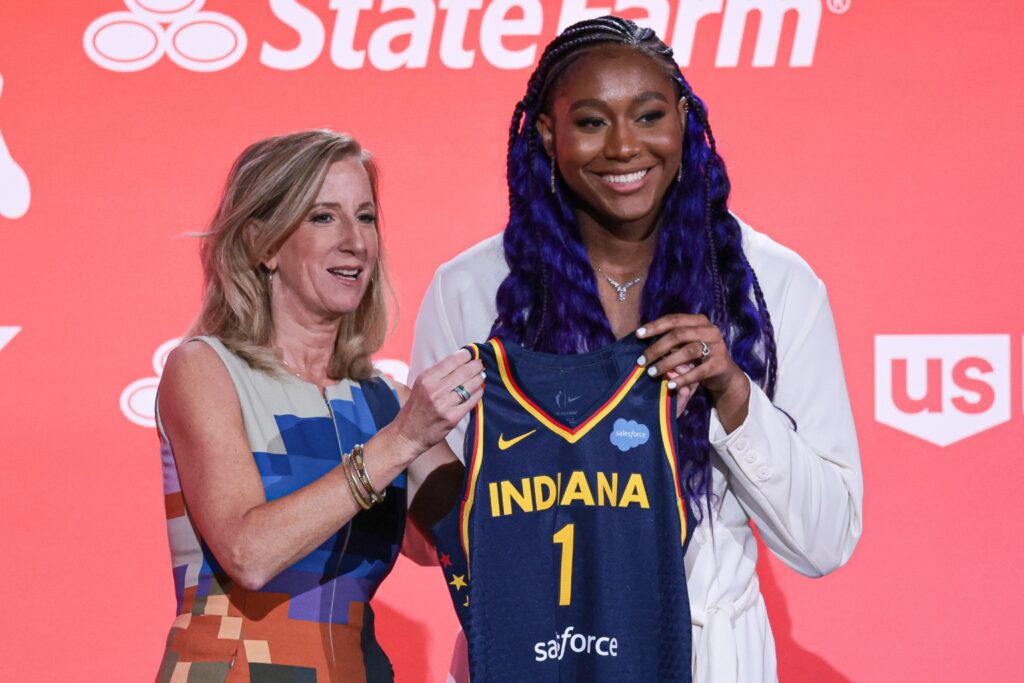
The subsequent ‘ping-pong ball method is employed to pick the team with the best 14 opportunities. Four balls, 1 through 14, are put into a lottery machine. A random set of four balls is drawn to make the No. 1 draft choice. The process continues till the top four choices.
This is where luck comes into play, as the worst team does not necessarily get the No. 1 pick because of the ping-pong ball system of selection. The lottery team with the worst remaining record picks third, and the second-worst picks fourth.
How Have Lottery Odds Changed WNBA Draft Landscape In Recent Years?
But the system has not been age-old or immovable since the inauguration season. A few alterations have defined the present lottery draft pick system. Since it started in 2002, the WNBA lottery has sought parity by providing the worst teams with a fairer—and somewhat random—chance at the top picks. With time, innovations such as using two-year records introduced stability and fairness.
Scroll to continue reading
Trending WNBA News










Teams such as Seattle (rated Sue Bird, Breanna Stewart, and Jewell Loyd) illustrate the potential for lottery success to launch a championship campaign. Such stars were all lottery first overall picks.
A study revealed that teams whose true picks were better than predicted (i.e., “lucky”) tended to play better in the next season. They had a mean post-pick winning percentage of .427 compared to .347 for those who lost more than expected. That’s almost a 3-game advantage in a 34-game WNBA season.
Lottery franchises improved their win rate from .300 to .393 on average after the selection, implying gradual improvement—though much of it was due to “regression toward the mean.”
Trades and pick swaps have also influenced the draft picks lately, as some teams seek to hold on to the ‘veteran’ superstars while others seek a new beginning through the draft picks. Importantly, the expansion teams will not be joining the lottery picks and will be available only after they have played at least two seasons in the league.