
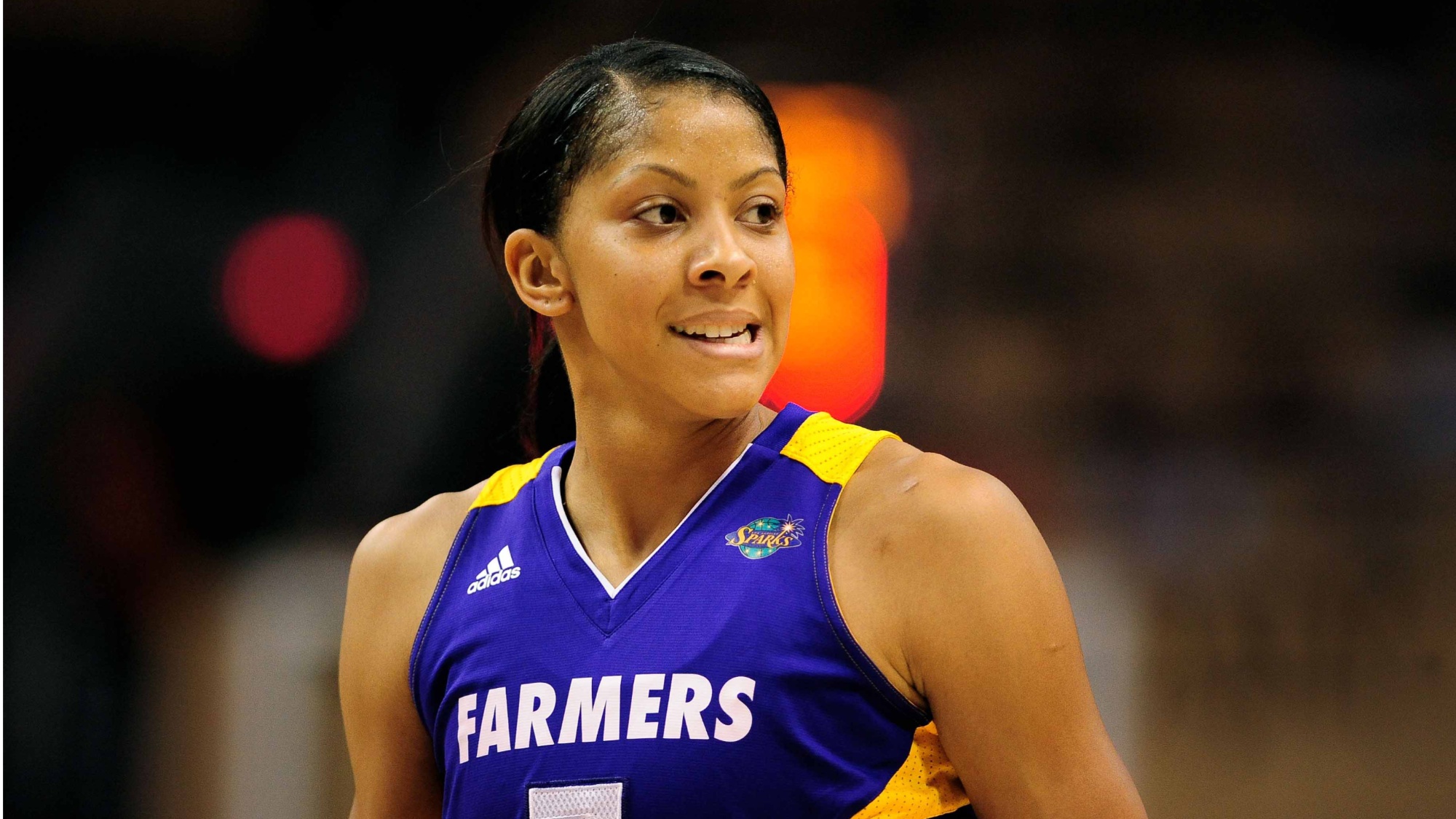

College stars enter the WNBA to leave their mark and pursue professional careers. However, their college careers give them a platform to join the league, their game in the highest league stamps their career and legacy. It is understandable that it is difficult for a rookie player to make an instant impact on the game, though over the last few years, there have been some exceptions, such as Caitlin Clark and Paige Bueckers. The league rewards its rookie experience with a special Rookie of the Year (ROY) award.
This award recognizes the most impactful newcomer during the regular season. It’s like a first-year bonus over their rookie scale contract for their production throughout the season. But how does it actually work—from who votes, to how they decide, to how the winner is chosen? In this article, we’ll explore the step-by-step process in everyday language, so it’s easy to understand.
Who Votes for WNBA Rookie of the Year?
Though varying parameters and figures are considered for the rookie of the year selection, there is a method for selecting the award winner. A panel of sportswriters and broadcasters across the United States votes.

The group is national, not local team writers, and it includes both local market voters and national media voices. All voters fill in a first, second, and third-place ballot. First gets 5 points, second gets 3 points, and third gets 1 point. The rookie with the most overall points wins, regardless of how many first-place votes she gets.
What Criteria Do Voters Use When Selecting WNBA Rookie Of The Year?
Although the WNBA does not release an official checklist, the voters use some of the following influential factors to merge stats, impact, and achievements. When a rookie sweeps all the available votes, they’re a unanimous winner—Candace Parker was such a case in 2008.
1. Statistical Performance
The voters hold the rookies to quantifiable production—points, assists, rebounds, steals, percentages, usage, etc. These statistics are easily accessed and make the selection less complicated.
Scroll to continue reading
Trending WNBA News









2. Historic or Notable Achievements
While one player can excel in scoring and another in blocking, the stats difference sometimes makes the selection even more complex. So another factor plays an important role, such as records, milestones, or distinctive accomplishments, which are significant. In 2025, Paige Bueckers outshone Caitlin Clark, the former ROY winner, in a few stats, making her case stronger for the accolade.
3. Overall Impact
Voters also consider how the rookie impacted their team’s performance and the narrative of the league. While this is a subjective matter, providing the team in which rookies are performing. Tough team performance and court presence are just as important as statistics.
4. Relativity vs. Other Rookies
Voters also consider games compared to others in the rookie class. Sometimes another rookie will stand out in certain facets—even if they don’t take home the win.
5. Consistency & Narrative
Consistent play throughout the season and an engaging narrative can influence votes.
With the above key factors, each media member submits ranked votes (first, second, third). Then totals are calculated (5/3/1 points per rank) and the rookie with the most points wins Rookie of the Year—even if they have fewer first-place votes than someone else (though that’s rare).
The league publicly announces the winner, often in early October (the postseason awards period). For example, Caitlin Clark was officially named ROY on October 4, 2024.2. Historic or Notable Achievements