


The WNBA salary cap represents the maximum amount a team can spend on player salaries during a season. It exists to maintain fairness, preventing wealthier franchises from stacking rosters with every top talent simply by outspending others. The league recalculates this cap each year based on overall revenue, financial projections, and collective bargaining agreements.
For players, this structure can sometimes feel limiting. Even high-profile rookies like Angel Reese have spoken about the brutal reality of living on her WNBA salary, highlighting how the cap impacts athletes’ day-to-day lives despite their star status. On the other side, for teams, the cap ensures roster-building strategies remain balanced across the league.
Teams must manage contracts wisely while staying under the cap and balancing star signings with depth players. Alongside the cap, the rules also govern minimum and maximum salaries, veteran benefits, and contract exceptions, all designed to keep the league competitive and financially sustainable.
What Are the Current WNBA Salary Cap Limits?
The maximum amount of money that each team may spend on player salaries in a single season is known as the WNBA salary cap. The cap for 2025 is 1.5 million dollars per team. Depending on league regulations and agreements with the players’ union, this figure may vary slightly each year. The cap ensures that no team spends significantly more than the others and that every team has an equal opportunity to assemble a strong roster.
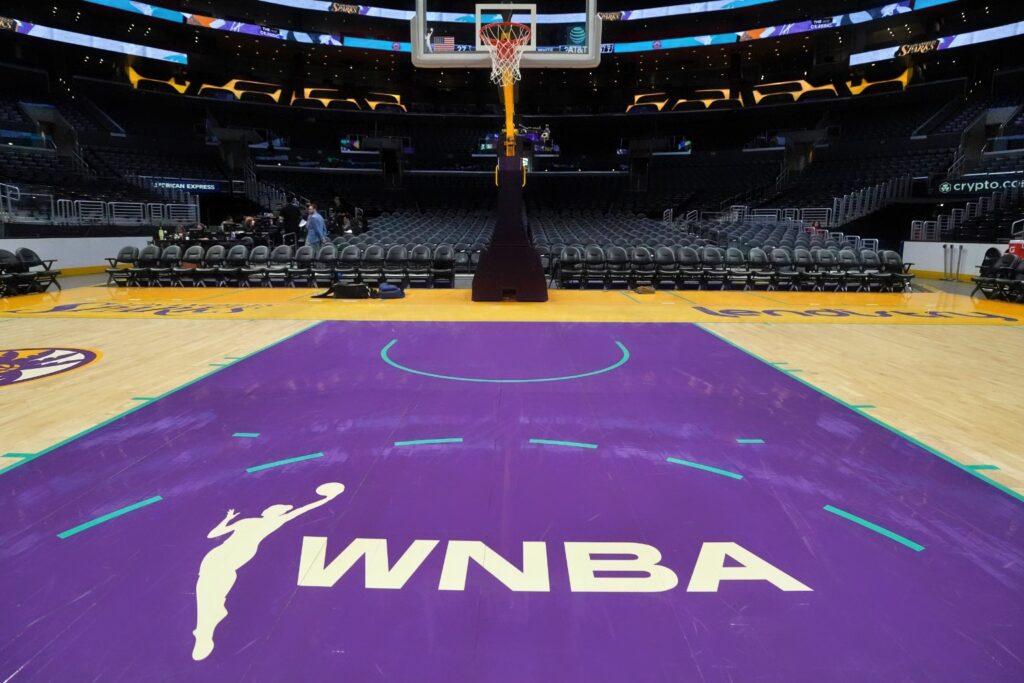
Each team’s roster must have a minimum of 11 players and a maximum of 12. Regulations also govern the lowest and maximum salaries that players are permitted to receive. Players with two years or less of experience will need to make at least $66,000 by 2025, and players with more experience need to make at least $79,000. While some elite players who are eligible for the supermax contract can make close to $250,000, the highest regular salary is just over $214,000.
The cap also shapes rookie earnings. New players enter the league under structured deals, often governed by WNBA rookie scale contracts, which determine their salary range based on draft position. This system guarantees that rookies receive fair entry-level pay while ensuring teams avoid financial strain when adding young talent.
Scroll to continue reading
Trending WNBA News



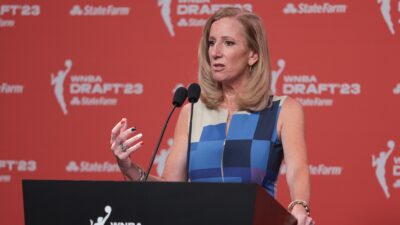






WNBA Salary Cap’s Influence On Player Trades And Contracts
The cap controls salaries and dictates how teams navigate trades and long-term deals. Signing a star often means tough decisions elsewhere, cutting players, restructuring contracts, or trading valuable assets to stay compliant. For this reason, many franchises prefer short-term or flexible deals, allowing them to maintain roster flexibility for future signings.
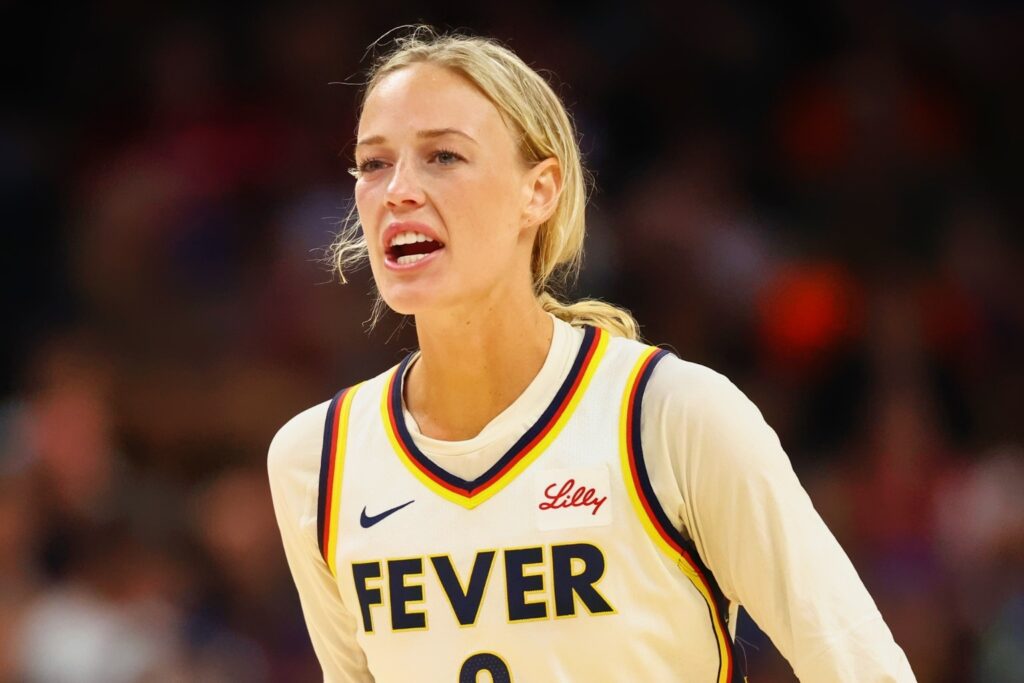
It also pushes general managers to target impactful young players who can contribute at lower salaries, helping balance talent and budget. Without the cap, larger-market teams would likely dominate by purchasing most of the league’s top-tier stars, reducing competitiveness and parity.
These challenges around contracts and financial planning are why the WNBA recently sought guidance from a Nobel Prize-winning economist during collective bargaining negotiations. By applying economic insights, the league hopes to design salary structures that reward players fairly while safeguarding long-term financial growth.