
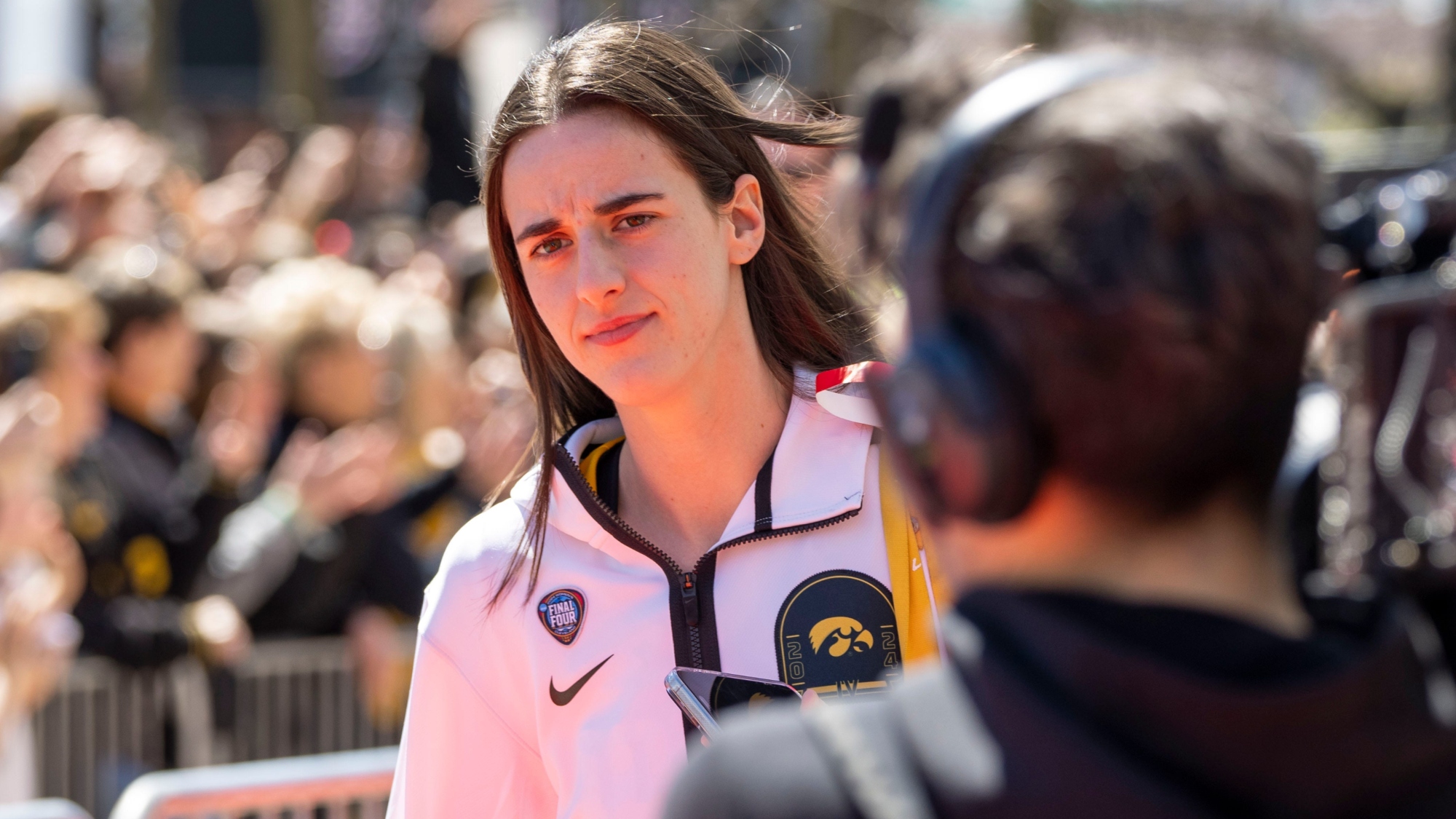

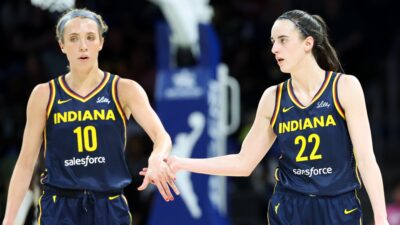
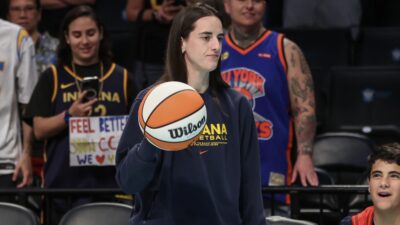
Even before playing a second in the WNBA, Caitlin Clark was already being hailed as one of the most influential players in women’s basketball following her illustrious career at Iowa, including back-to-back appearances in the NCAA Tournament championship game.
When she was drafted by the Indiana Fever as the hands-down first overall pick in 2024, many believed Clark would help bring the WNBA to unprecedented heights.
That’s exactly what she did.
The Caitlin Clark Effect
In her first year, with her dynamic play, limitless range, and fiery personality, Clark quickly became the league’s most watchable star. Even non-basketball fans became curious to see the spunky rookie.
More importantly, it wasn’t just all for show. There were tangible results. Clark helped Indiana rack up wins. The Fever made it to the playoffs for the first time since 2016 with a 20-20 record.
When they lost three of their five games last season, many quickly wrote off Clark. But as soon as she found her footing, there was no stopping the do-it-all guard. She set records left and right and dazzled the basketball world. She was the runaway winner of the Rookie of the Year award and was among the top contenders for the MVP plum.
Clark averaged all-around norms of 19.2 points, 5.7 rebounds, a league-best 8.4 assists, and 1.3 steals in her maiden campaign. It’s worth noting that she also drove record numbers for the WNBA in terms of viewership, ticket sales, and merchandise.
Scroll to continue reading
Trending WNBA News


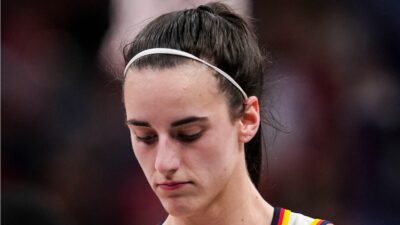
But while it’s easy to celebrate Clark, some blame her for the questionable behavior of fans.
Did Caitlin Clark Cause The Toxic Behavior Of WNBA Fans?
Those who cheered for Clark at Iowa followed her to the WNBA. While that’s usually a welcome sight, some observed that Clark’s supporters have become increasingly rabid toward opposing players.
Exhibit A: Chicago Sky forward Angel Reese. The amount of hate thrown at Reese by Clark’s fans continues to be concerning. At one point, she had to take a pause from social media because of all the negativity. To be fair, Reese also fanned the flame with her strong remarks against Clark. It’s no secret that their rivalry dates back to their college years.
To add, the Fever star—who can be brash and obnoxious at times—isn’t actually the first polarizing athlete. It comes with the territory of being great. Fame comes with a cost.
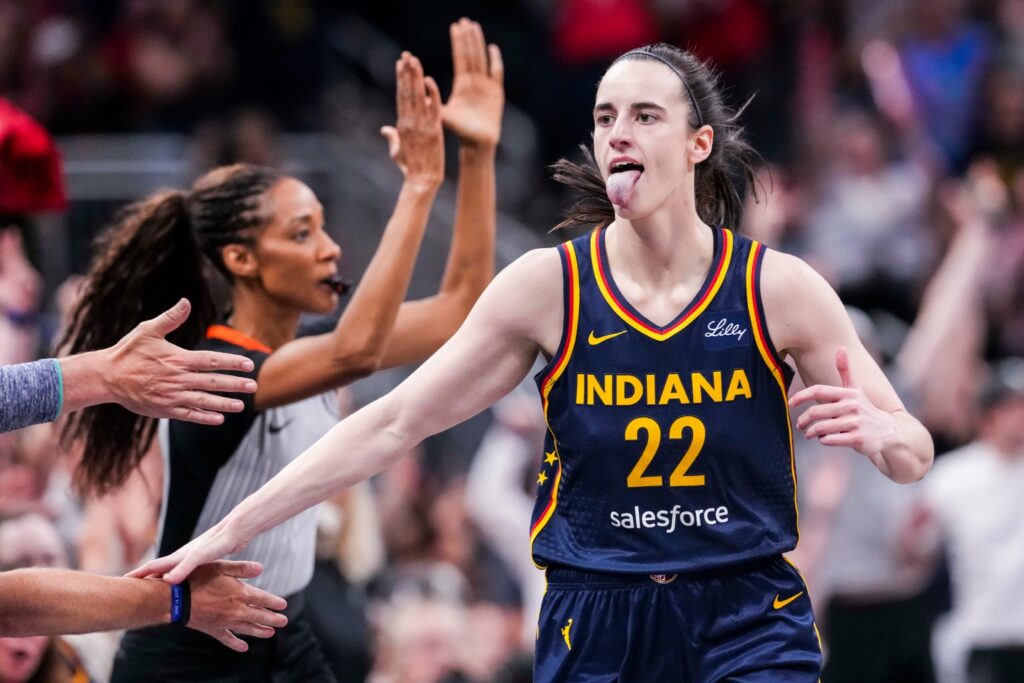
But of course, it’s not just Clark’s fans who are at fault. Other stars also have their supporters, and they will always move heaven and earth to defend their heroes. Unfortunately, some resort to racism, homophobia, and even threats.
Verbal Abuse Towards Players
As Albert Samaha noted, “the WNBA has faced a surge in verbal and online abuse directed at players in the past year-plus, including racist and antigay statements.”
“The league’s players union has criticized commissioner Cathy Engelbert for failing to condemn that behavior and called on fans to ‘lift up the game, not tear down the very people who bring it to life,’” Samaha wrote.
Joining other players in voicing out, the 23-year-old Clark has also called on fans to stop the negativity and condemned hate, racism, and discrimination amid the rising toxicity in the WNBA last season.
Samaha interviewed a fan of the New York Liberty for his story, and the latter said social media has “suddenly absorbed an invasion of mean-spirited viewers,” who are mostly men.
“A new breed of spectator had stormed into the league, bringing along the aggressive attitudes that have defined men’s sports fandom,” noted Samaha.
Without naming them, he also added that nine of the 10 most targeted athletes in the United States in 2024 were women, citing a study by a private company that tracks online abuse.
Bringing Positive Change In The WNBA
Being the face of the league, perhaps Clark should lead the way and take a more proactive approach in reminding fans that hate is never acceptable, even when the competition on the hardwood gets rough.
“As the league grows and people pay more attention, we can show what’s possible in how fans experience games and that it doesn’t have to be so aggressive to the point where you tolerate abuse,” said Sky co-owner Nadia Rawlinson in Samaha’s report.
For years, the WNBA demanded more exposure, stressing that women’s basketball has grown in leaps and bounds. While they’ve gotten their wish, most notably last season, the league’s warts also became more visible.
The challenge now for Clark, Reese, and other marquee names is to bring more positive change to the WNBA to further amplify their message of equality and inclusion.
Also Read: Is Caitlin Clark’s Stardom Coming To Bite Her? Exploring How Things Stand For Fever Rookie Amid Shooting Struggle And WNBA All-Star Voting