


The WNBA postseason is one of the most exciting parts of the year, with the league’s best teams battling for the championship. But before the playoffs begin, there are strict rules that determine which players are eligible to participate. These rules work hand in hand with the WNBA playoff format, ensuring the postseason remains fair, competitive, and rewarding for teams that have built chemistry all season.
These rules work hand in hand with the WNBA playoff format, ensuring the postseason remains fair, competitive, and rewarding for teams that have built chemistry all season.
In this article, we’ll explain the WNBA playoff eligibility rules, explain the minimum number of games required, and clarify whether midseason signings can play in the postseason. For comparison, it’s also worth noting how the WNBA tiebreaker system impacts seeding once teams officially clinch a spot.
What Is The Minimum Number Of Games A WNBA Player Must Appear In?
The WNBA has a clear rule for playoff eligibility:
- Minimum Requirement: A player must be on a team’s roster for at least two-thirds of the regular season games to be eligible for the playoffs.
- Current Season Context: The WNBA regular season consists of 40 games, which means a player must appear in at least 27 games to qualify.
- Roster vs. Active Participation: It’s important to note that the player must be officially on the roster—not necessarily playing heavy minutes in every game. As long as they are available and eligible, the requirement is satisfied.

This rule prevents teams from signing star free agents late in the season and using them in the playoffs without them being part of the team’s journey. It ensures that playoff rosters are built throughout the season, not just at the finish line.
Scroll to continue reading
Trending WNBA News










Can WNBA Midseason Signings Play In The Playoffs?
Yes, midseason signings can participate in the playoffs—but only if they meet the games-played requirement. This also applies to injury replacement signings, who often join rosters on short notice but must still satisfy the two-thirds appearance rule to qualify.
- Timing Matters: If a player joins a team midseason, she must still log the minimum number of appearances (currently 27 games in a 40-game season).
- Short-Term Contracts: Players signed to hardship contracts or as injury replacements may not meet this threshold unless signed early enough.
- Veteran Additions: Sometimes, experienced veterans are signed midseason to add depth. These players must still satisfy the same eligibility rules, which means joining early enough to play two-thirds of the season.
This rule ensures that playoff teams are built steadily and that players who contribute over a long stretch of the season get the opportunity to compete in the postseason.
Why Does The WNBA Have Strict Playoff Eligibility Rules?
The WNBA enforces these requirements to maintain fairness across the league:
- Preventing Unfair Advantages – Without eligibility rules, teams could stack their rosters with late-season additions, upsetting competitive balance.
- Rewarding Season-Long Contributions – The system rewards players who grind through the season and help their team secure a playoff spot.
- Roster Stability – Fans and players both benefit when teams develop chemistry over the season rather than relying on last-minute changes.
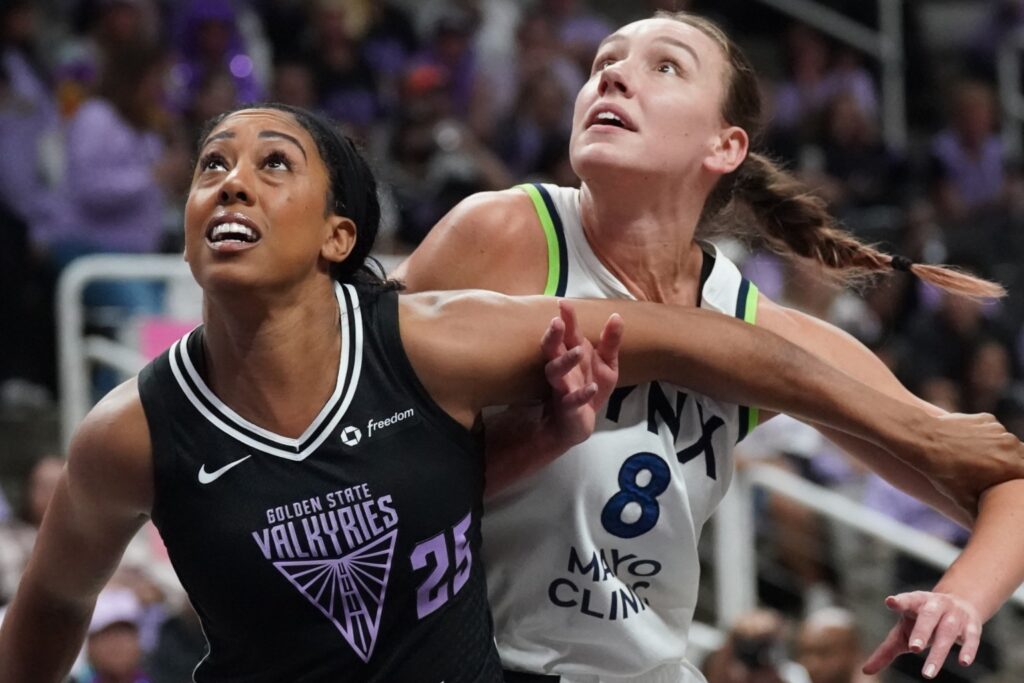
These rules are particularly important in the WNBA because of its smaller rosters (12 players per team) and the shorter season compared to the NBA.
How Do Playoff Eligibility Rules Compare With The NBA?
While the WNBA follows a similar framework to the NBA, there are some differences due to season length and roster structure:
- WNBA: Requires appearances in two-thirds of the season (27 of 40 games).
- NBA: Has its own deadlines, usually set late in the regular season, and requires that players be on a roster before that date. With 82 games, the NBA’s eligibility thresholds differ.
- Roster Size: WNBA’s smaller rosters make missing one player much more impactful compared to the NBA.
Common Questions About WNBA Playoff Eligibility
Q. Can a player on a hardship contract play in the playoffs?
A. No, hardship contracts are temporary. Players signed under hardship rules are not playoff eligible unless they later convert to standard contracts and meet the game requirement.
Q. What if a player is injured for most of the season?
A. Injured players who don’t meet the two-thirds rule cannot play in the postseason. Teams must manage rosters carefully, knowing they can’t hold a spot for someone unavailable all year.
Q. Are international players returning midseason eligible?
A. Yes, but only if they join early enough to play in 27 games. Many players who play overseas miss the start of the season, which can jeopardize their playoff eligibility.
Q. Does being inactive count toward eligibility?
A. A player must be on the official roster, but not necessarily active in every game. However, missing too many games, such as being inactive or suspended, can cost playoff eligibility.