
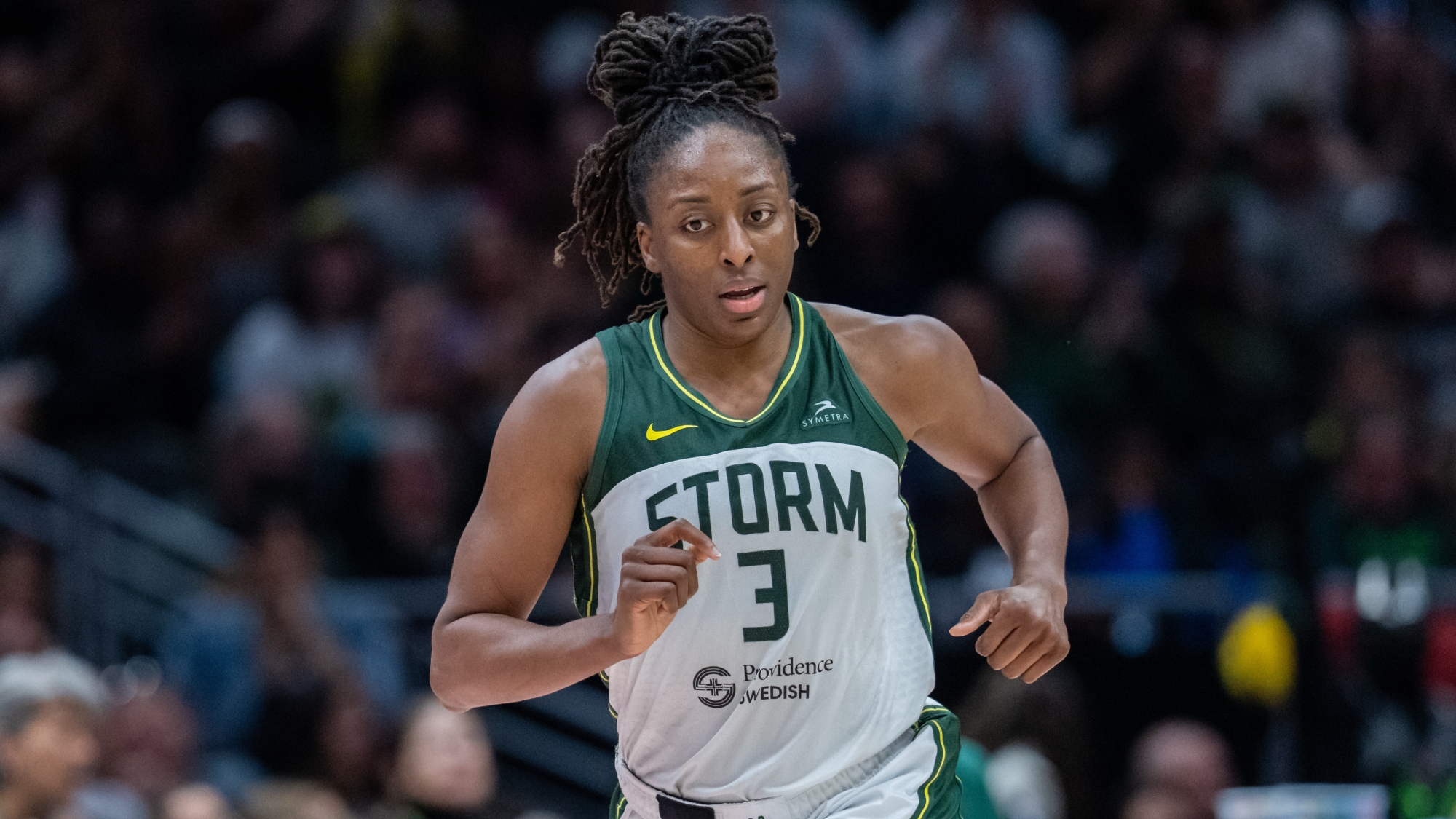

A lot is happening around the WNBA, and things could go South. While there’s a strong reason why the WNBA should worry about Nneka Ogwumike joining Project B, all is not lost for the league.
Ever since the basketball community took notice of another league in parallel to the NBA, WNBA fans have started lashing out.
As things currently stand, Project B has denied any such investment ties with Saudi Arabia.
Project B Denies Funding Ties With Saudi Arabia
The Project B women’s basketball league, which could pose another challenge for the WNBA, has firmly denied any financial ties to Saudi Arabia, despite initial reports suggesting otherwise.
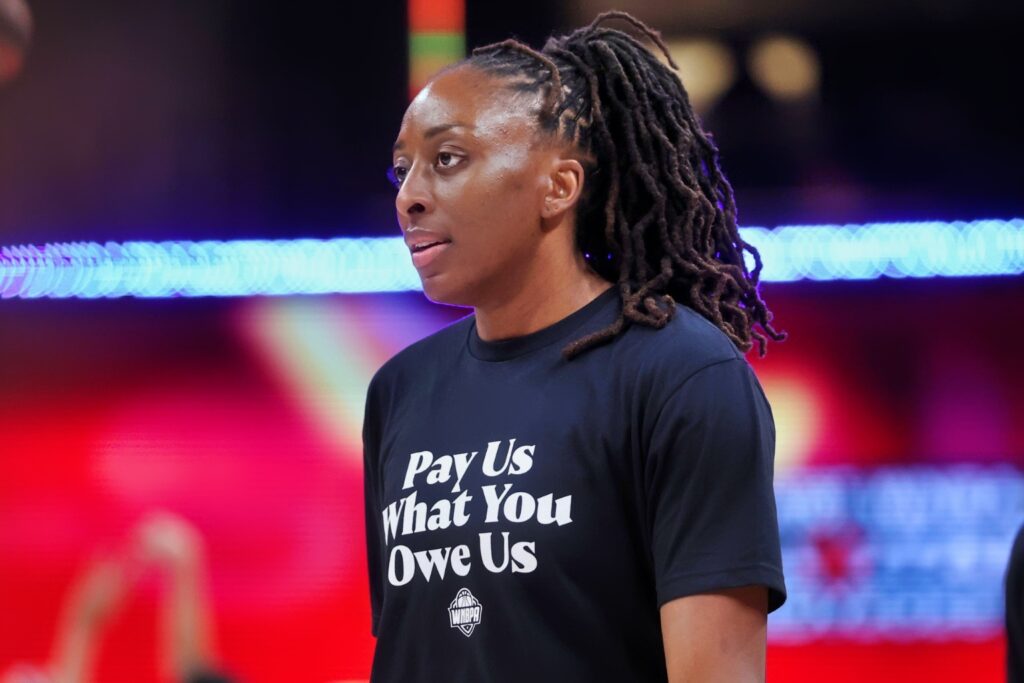
According to co-founder Grady Burnett, Sela, a subsidiary of Saudi Arabia’s Public Investment Fund, serves as an event partner, but no Saudi funding underpins the league’s operations.
“We’re building a global basketball league, so we want a global diversified cap table around us. That doesn’t include any dollars from Saudi Arabia,” Burnett said via Front Office Sports.
Scroll to continue reading
Trending WNBA News

Project B claims it has "no Saudi funding" 😒 pic.twitter.com/y81Jn85Ldu
— Courtside Club (@CourtsideClub_) November 10, 2025
This distinction comes as Nneka Ogwumike, the WNBPA president and a former WNBA MVP, becomes the first player to sign with Project B.
The league’s promise of multimillion-dollar salaries and equity stakes has sparked intrigue, but concerns about its Saudi connections linger, especially given the WNBA’s history of social activism.
Ogwumike’s involvement could either validate Project B’s vision or complicate the WNBA’s stance on global partnerships.
Nneka Ogwumike’s First Step Towards Project B Might Prove Crucial
Nneka Ogwumike’s signing with Project B marks a pivotal moment, given her role as WNBPA president and her advocacy for player rights.
The league reportedly offers salaries starting at $2 million annually, with multi-year deals potentially exceeding $10 million, far surpassing the WNBA’s proposed $850,000 maximum and Unrivaled’s $220,000 average from Season 1.
Ogwumike’s decision, influenced by the equity stake and compensation, aligns with her stance on valuing women athletes, as she told the Associated Press.