

After a few years, the 2025 WNBA All-Star game might be remembered by the first triple-double in ASG by Skylar Diggins and Napheesa Colliers’ record-scoring night (if it stays until then). But one thing that etched in history is the players’ protest with ‘Pay Us What You Owe Us’ warm-up T-shirts.
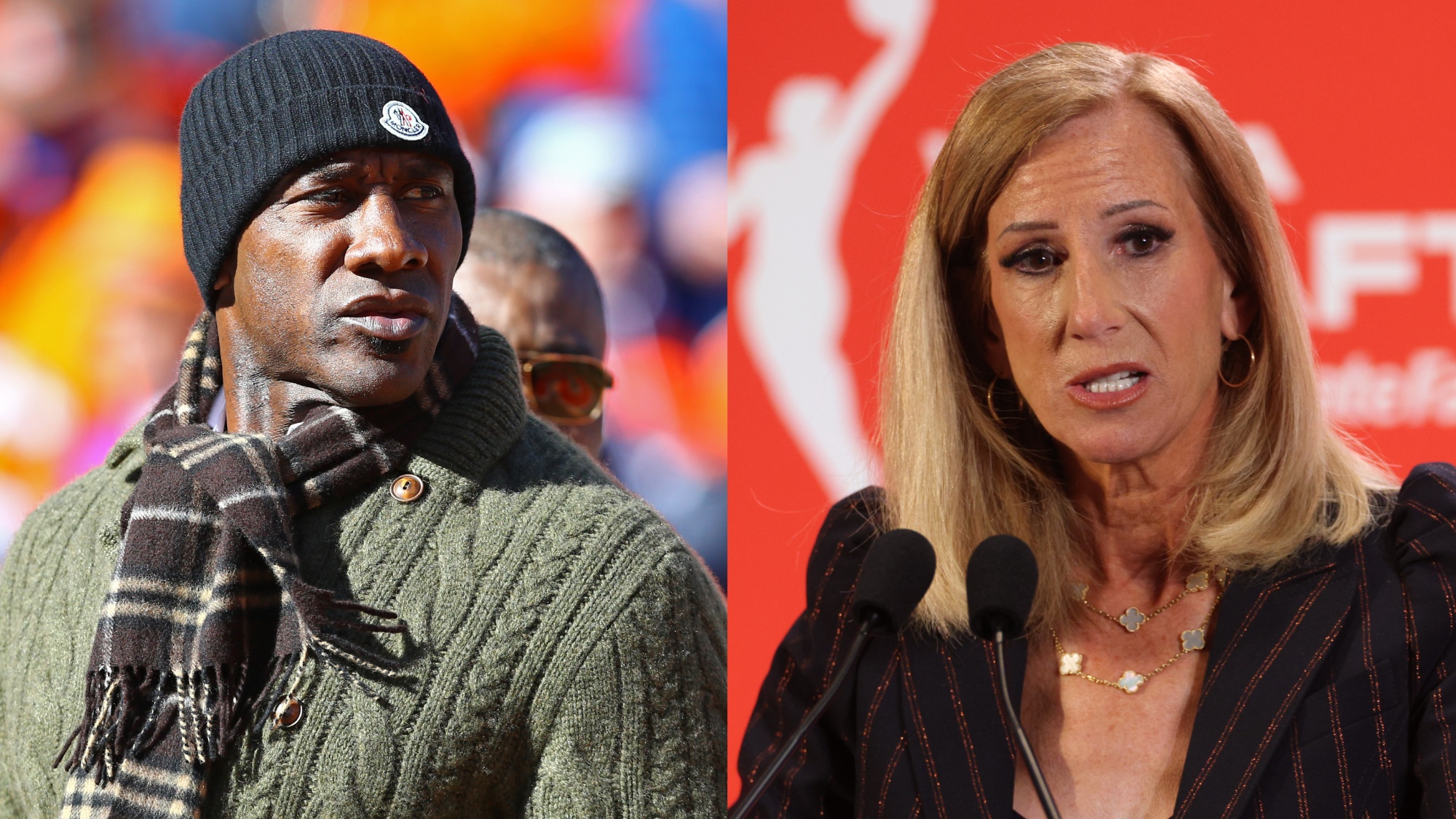
The topic dragged on for a year and has now reached its peak with players publicly showing their discontent with the CBA negotiations. Amid this, former NFL star and analyst Shannon Sharp has a warning for the league.
Shannon Sharp With Alarming Caution To WNBA
The demands of WNBPA are well known to all. The association is looking for a bigger profit share and a pay raise, softening the salary cap. The league’s growth makes this look easy, but as the analyst says, it’s more complicated than it looks.
“Pay us what you owe. That’s a slippery slope. Because I’ve been from everything that I’ve read, the WNBA has never turned a profit. Let me get this right. I’m losing money, but you want a raise, right? Something ain’t adding up,” Sharp raised questions in his podcast (Via YT/@nightcap)
He also added that the league lost $40 million in 2024 alone. Many fans and players are pointing to the addition of new franchises and revenue from the new broadcast deal as a significant source of income for the league. But in reality, the cash flow will start from the 2026 season with both the contracts materializing at the same time.
Similarly, investors have constantly provided feedback about losing money over the years. Some fans also pointed this out when photos and videos of “Pay Us What You Owe Us” went viral.
Scroll to continue reading
Trending WNBA News


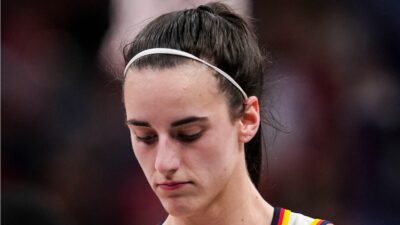
WNBA Needs To Find A Sweet Spot
The hot topic has gone global now. Every individual remotely associated with the ‘W’, whether a fan, reporter, or analyst, is talking about the ‘poor pay’ the athletes receive in the league. Ironically, the players’ wages have improved over the years and in every CBA signed before.
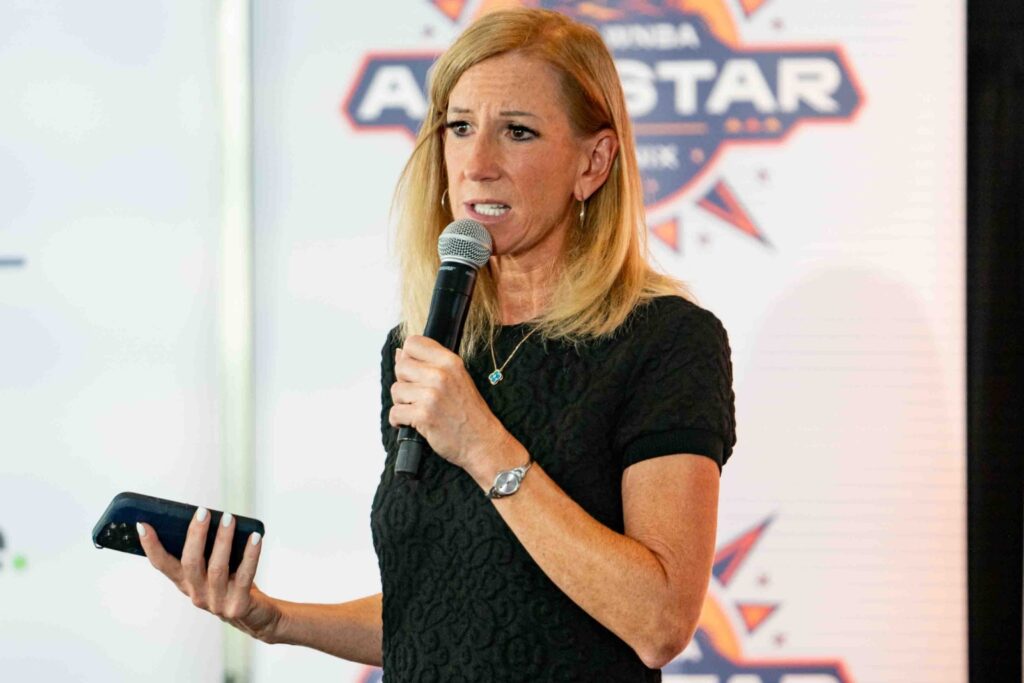
In the WNBA’s inaugural 1997 season, the average player salary was $28,000, according to KQED. The minimum wage was $15,000, and the maximum was $50,000. In 2025, the Rookies earn around 70K per season with top players crossing the $200,000 mark.
Moreover, the new deals will give the league more spending power and increase the payment brackets. Yet the players are not ready to settle for ‘less‘, which might be causing the delay. The league might have to look for a sweet spot to improve salaries and profit share to keep everyone satisfied.
Also Read: Breanna Stewart Lashes Out At WNBA For Ignoring Players’ Plea In CBA Negotiation