
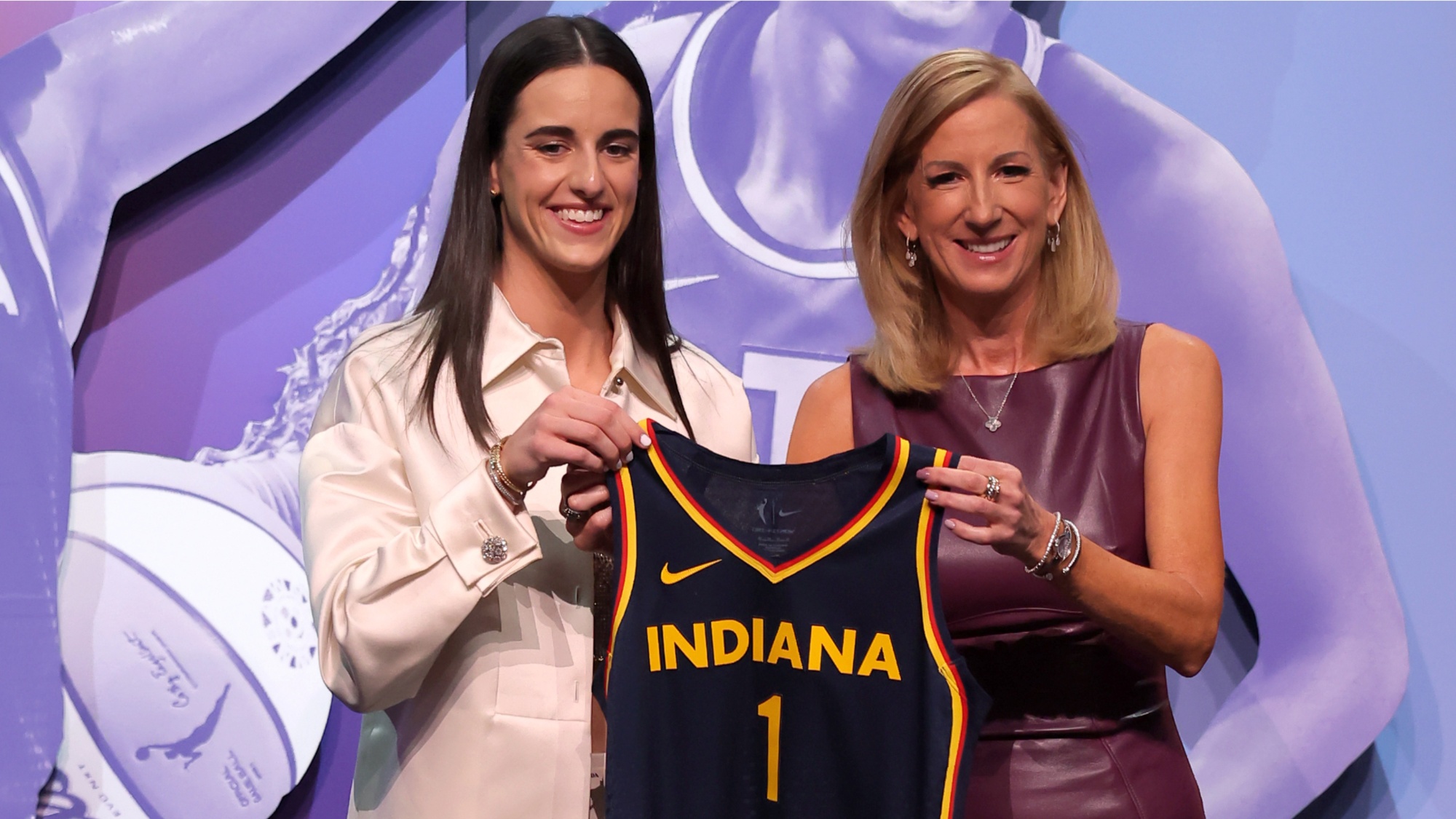

Basketball aspirants who shine at the high school and college levels always have their heart set on the pro level. The biggest stage and competitive world test their abilities and ceiling. While they thrive on the hardwood to their capacity, they also get compensated well by the league in salaries.
Still, it is understood that the ‘untested players’ will receive lower salaries compared to seasoned professionals. The new entrants – rookies, sign a fixed contract with their franchises, which is a rookie scale contract. In this article, we will go through the rookie scale contracts in the WNBA, their different levels and their changes over the years.
How Much Do WNBA Rookies Earn Under the Current CBA?
In the inaugural WNBA season (1997), the rookie scale contracts had a base salary $ 30,000. This was a standard contract for all rookies that first year, regardless of draft position. The WNBA, under the 2020 CBA, has a fixed pay scale strategy. The pay and contract length are based on where a player is drafted. While this system allows teams to have better strategies for their draft picks, players also look to impress the teams for higher draft picks.
However, it also comes with significant limitations, like modest salaries, especially compared to other professional sports leagues. The following is a breakdown of the different rookie scale levels.
First-round picks, including the first number 12 pick, receive a four-year contract structured as three years guaranteed + one year team option. That means the team can choose to keep the player for the fourth year. Second and third-round picks receive non-guaranteed one-year deals. They must earn their spot in training camp each season.
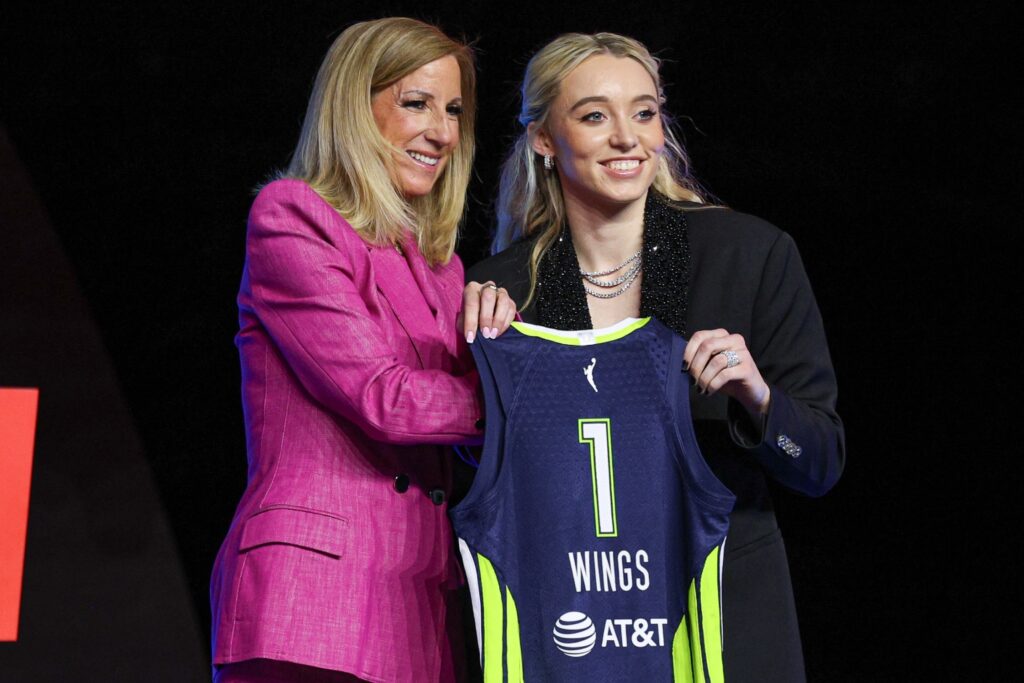
Commercially, there are also differences depending on the draft pick number. The top four picks’ earnings start at $78,831 for the first year, gradually scaling up to $100,000 for the fourth year. The next four picks’ earnings start at $75,000, which could reach up to $96,000 for the fourth season. For the number 9 to number 12 players, the first-year earnings start at $72,000.
Scroll to continue reading
Trending WNBA News









For the second and third round player, the value is a bit lower, depending on their franchises, but averages around $ 66,000.
How Does Rookie Salary Scale Affect Team Draft Strategies?
Fans feel it is a very predictable structure, keeping the ‘mystery’ out of the question. But this draft pick-based pay scale structure actually helps the franchise make its plans and select players accordingly.
First and foremost, the rookie salaries have a fix value for the franchises. This allows teams to forecast their payroll for four seasons with precision. This reliability helps teams plan around the salary cap—a hard cap, meaning teams can’t exceed it, except under very tight hardship exceptions.
Also, the teams with early picks must allocate a comparable chunk of their cap to rookie pay. Picks 1–4 cost around $78,800 in Year 1, but later picks require less. Teams deciding between a slightly better player at pick eight vs. pick 10 may also consider the modest salary difference.
Now, during the contract period, the teams have the option to opt out of the fourth year (highest salary) to free up cap space if the player fails to reach their expectations. Conversely, for high-performing rookies, teams can exercise that option—and even extend early, including up to a supermax, locking in young stars before they test free agency.
As for the undrafted players, signed later, they get a one to two-year contract with teams that receive the rights for the players. The upcoming CBA deal could change the structure and salaries, while the length might remain the same.