
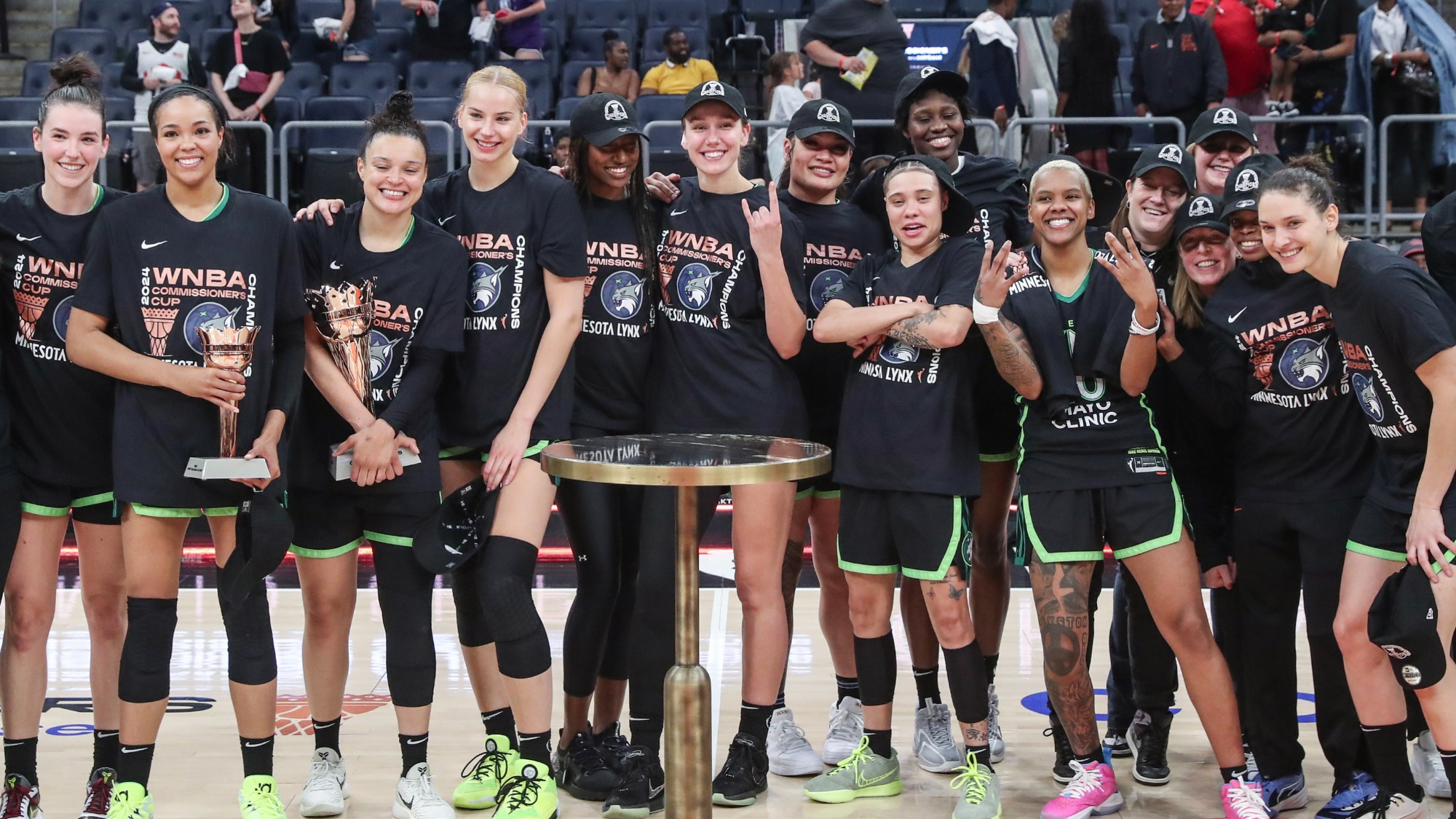

The WNBA is finding ways to attract new fans and improve its competitiveness. With the regular season ending in the playoffs and finally reaching its ultimate destination—the WNBA championship—the league came up with a new competition embodied in the regular season fixtures: the Commissioner’s Cup.
The annual in-season tournament added excitement to the normal flow of the regular season and also handed the ‘w’ a charitable initiative. The tournament started in 2021 and underwent a few modifications to please the fans. The following are the details of the Commissioner’s Cup Tournament, with format and implications for the teams.
How Does The Commissioner’s Cup Format Differ From Regular Season Games?
There are no special rule changes in the games being played, nor is there a separate schedule for the games. But what makes the Cup unique is that Cup games are also regular-season games; they count toward each team’s overall 44‑game record. For a specified period, certain games are marked as “Commissioner’s Cup games,” which accumulate toward Cup standings.
In a broader sense, the league tried to carve out a mini-competition that runs parallel to the league schedule. While the game results do affect the teams’ league standings, there is a separate points table, with point differential wins, for the Commissioner’s Cup tournament.
The annual midseason tournament has experienced two different eras in a short period of time. In the Cup’s first three editions, from 2021 to 2023, each team played 10 Cup games, specifically their first home game and first road game against each in‑conference opponent. With two conferences, that totaled 10 Cup games per team.
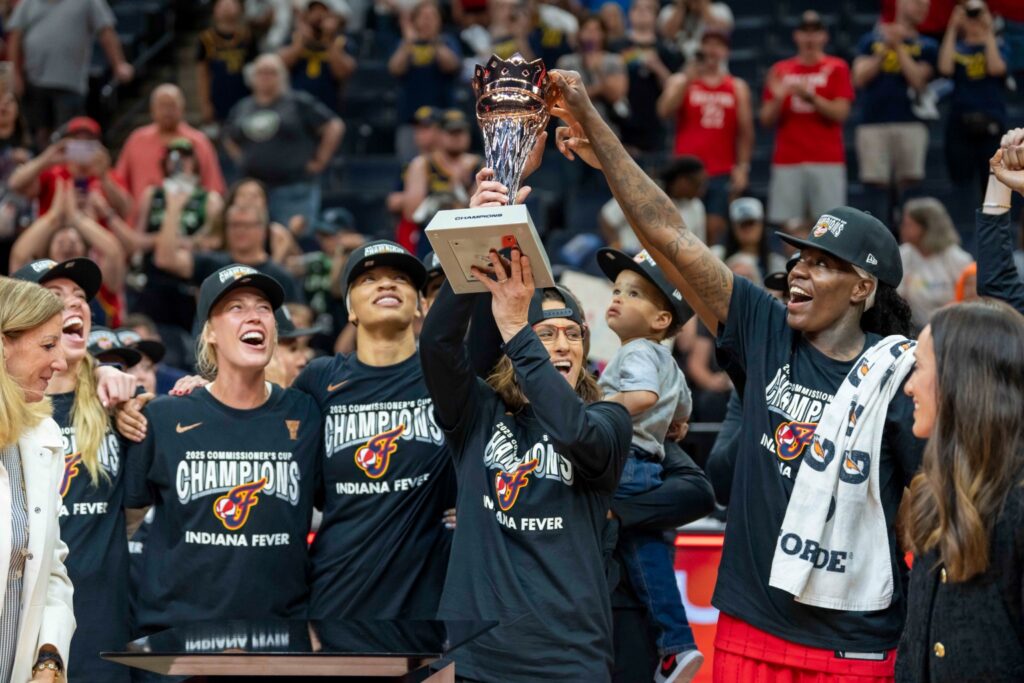
Later, from the 2024 season, there was a specific date and schedule for the tournament, giving fans a clear idea of the tournament. From June 1 to June 13, the teams play all the games. Each team plays five Cup games—one against each of their in-conference rivals. Teams have either three home and two away games or vice versa.
Scroll to continue reading
Trending WNBA News









With the expansion team (Golden State Valkyries) added in 2025, there are now six Eastern Conference teams and seven Western Conference teams. However, the format remains the same, with the Eastern teams playing five Cup games and the Western teams playing six Cup games.
WNBA Commissioner’s Cup Final Format
After the Cup games window ends, the top team from each conference (based on Cup record) faces off in the Commissioner’s Cup Championship Game. A team with the best record in the table will host the final game.
In case of tie-breakers, the first priority will be the better head-to-head record, followed by the point differentials in cup games and the total points scored in cup games. Still, if both teams match all the parameters, then their regular-season conference win percentage will decide the host.
What’s At Stake for Players And Teams In The Commissioner’s Cup?
While the league’s most prestigious title is the WNBA championship, the Commissioner’s Cup title is also gaining equivalent status. It offers both financial incentives and social impact opportunities, making each game more significant than a typical early-season matchup. The competition increases every team’s competitive hunger, with the financial bonuses supporting its low-earning stars.
The total prize pool is $500,000, with the winning team players earning around $30,000 each, while the losing team players took home around $10,000 each. Since 2024, with Coinbase as sponsor, the title has been awarded with an added $120,000 in cryptocurrency, including $5,000 in crypto per player in the championship game.
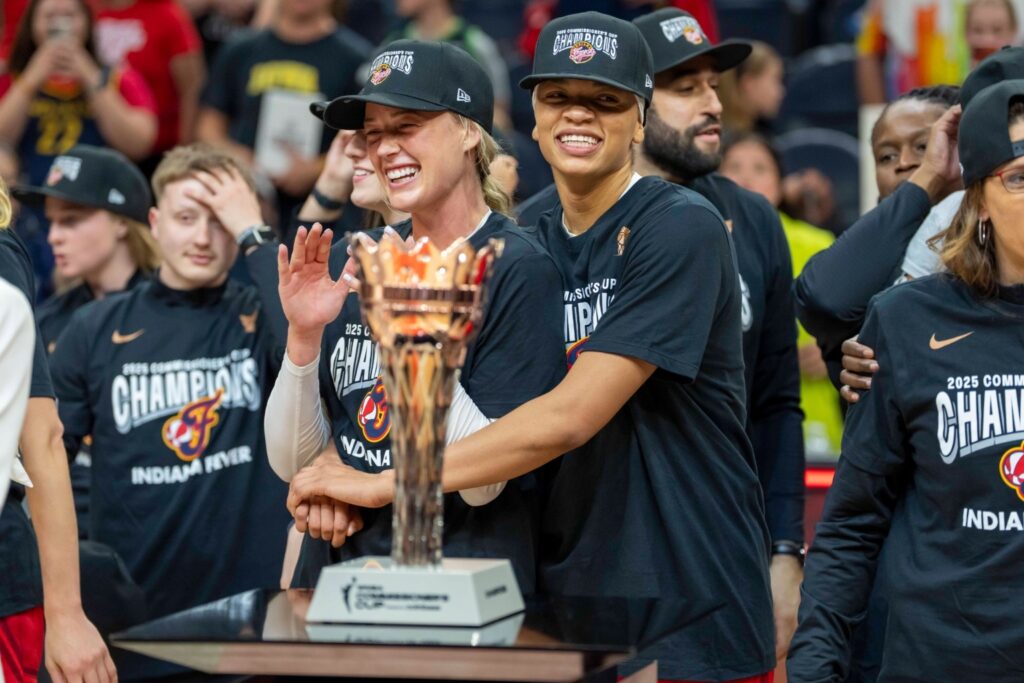
While teams and players benefit from the Commissioner’s Cup win, the W also engages in a charitable cause. Each team selects a local nonprofit to support. After each game result, the winning team donates $2,000 (or $3,000 in newer formats) and the losing team donates $500 (or $1,000) to their chosen nonprofits.
After the final, the winning team’s charity receives an additional $10,000, while the runner-up’s charity receives $5,000. In return, the WNBA gets visibility and a socio-cultural connection.