

The players, franchises, and league are all connected in terms of their commercial values. Players’ performances not only win games and championships but also create multiple financial profits for the league and franchises off the court. TV deals, merchandise sales, sponsorship, and ticket sales bring in a major chunk of revenue for the organizations. Players get salaries and other add-ons for their contributions. The contract deciding the commercial benefits is decided as per the Collective Bargaining Agreement, also known as CBA, in the WNBA.
To keep this system running smoothly, the players’ association and the league, which set the rules, have agreements confirming the portion of revenue and salaries. For franchises, it helps them allocate their funds and resources to players. WNBA CBA pushes teams toward risky trade deadline gambles. Indirectly, the CBA affects the rookie contracts and supermax contracts of the players.
In this article, we will discuss the most important benefits for the players in the 2020 CBA and how the Collective Bargaining Agreement shapes salaries and other aspects of the league’s players.
What Are Most Important Player Benefits In Current CBA?
With every CBA, the players’ associations try to solve the pending and new issues from their point of view. The league also tries to find the middle ground, trying to give a few benefits to the franchise owners and a few to themselves. The 2020 CBA was one of the biggest agreements between the players and the league, and there were many positive changes regarding the players’ demands, hinting at the growth of the league.
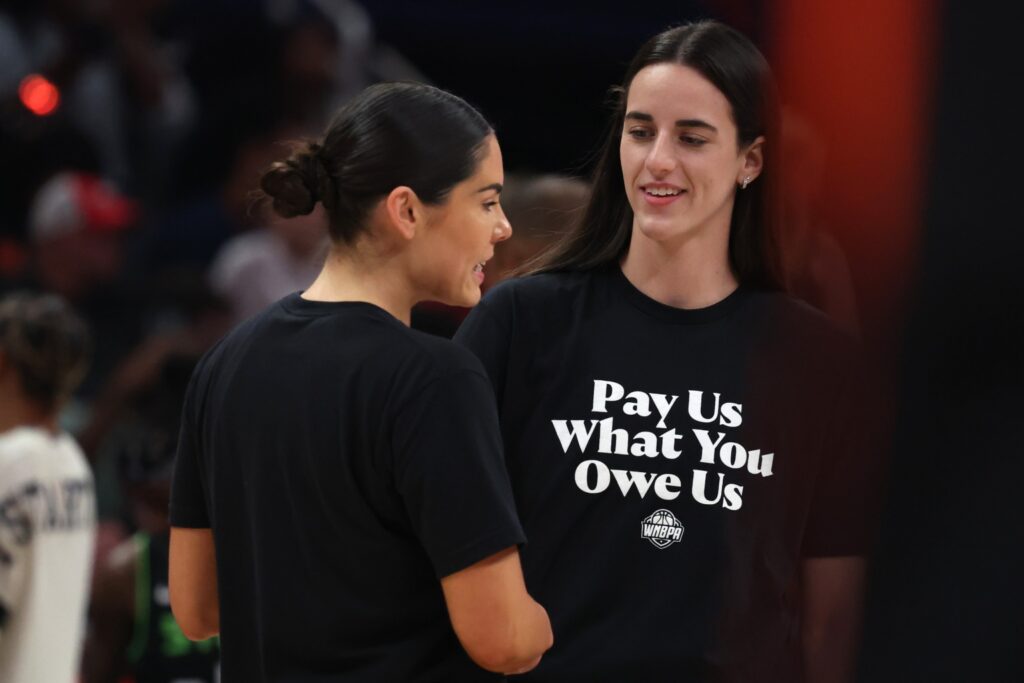
First, the salary cap went up by 30%, pushing total payrolls from about $1 million to $1.3 million per team. This also allowed the extended salary value, which doubled from an average of $117,500 to $215,000.
The league also regularized the off-court compensation value to over $500,000 annually. These included branding and advertising deals. A new tournament was introduced with a minimum of $750,000 in prize money: the Commissioner’s Cup.
Scroll to continue reading
Trending WNBA News









The players also received a few extra benefits in off-the-court activities. They received more comfortable travelling and accommodation facilities, as well as motherhood and family-friendly policies, allowing them to get a full salary during maternity leave. They also received enhanced mental health resources, a comprehensive domestic/intimate partner violence support program, and access to women’s health and nutrition experts. While the WNBA can’t ignore demands in a changing environment, it needs to deal with the situation, benefiting both parties.
How Does CBA Shape Salaries, Travel, And Player Rights?
The overall salary cap increase and expanded bonus structure mean more money for more players. Veterans and stars benefit most, but even rookie and mid-tier players now earn better pay. Incentivizes performance through tournaments and rewards; players benefit directly from league growth via marketing deals and revenue share.
Improved comfort during travel reduces the risk of injuries and ensures the safety of the players. This is especially significant given the WNBA’s physical demands and compact schedule.
The 2020 CBA deal also covers players’ rights after constant demands. Maternity and family benefits protect and empower players who choose motherhood. Players no longer face financial penalties for starting a family. Mental health, violence prevention programs, nutrition support, and off-season career stability initiatives strengthen player welfare.