

The WNBA is expanding in every possible way. Along with the increasing number of teams and fans, the league is also experiencing a heavy influx of new raw talent. Along with these incoming stars, many established stars in the league have proved their mettle in the WNBA, delivering on a nightly basis.
While the young and new talent is a good sign of the league’s reach, the teams are also looking to retain the existing talent pool. This practice, safeguarding the best players, is the core player designation.
In this article, we will discuss the WNBA’s core player designation and its rules and impacts.
How Does WNBA Core Player Designation Affect Free Agency?
The Core Player Designation, often called “coring” a player, is a mechanism in the WNBA that allows a team to retain exclusive negotiating rights with a player who would otherwise become an unrestricted free agent. However, specific rules over the player’s core designation allow both players and teams to benefit from the rule.
A player can be designated as core only once per offseason per team, and each player has a lifetime limit of being cored no more than twice. While the designation period depends on the contract agreed upon, the player can be traded in between. This authority lies with the team having the core designation rights.
With this set of rules, there are certain perks and even disadvantages. They’re effectively in exclusive negotiations with their current team and cannot sign with another team as a free agent. However, trades are still possible, with the player’s consent.
Scroll to continue reading
Trending WNBA News










The core designation ensures the player receives at least supermax salary for one year. Yet, both parties can negotiate a different deal or a longer-term agreement. Teams can use the rule on one player only per offseason. This tool lets teams keep key contributors or plan a sign-and-trade strategy, balancing roster needs and trade assets.
Which WNBA Players Have Been Most Impacted By Core Player Designation?
Before going into the core designation impact, we will first check the benefits a player receives from the rule. First would be the supermax contract. The team must offer a one-year supermax contract—a fully guaranteed deal at the league’s highest salary level, typically the “supermax” figure to the player they wish to add to their core. The player cannot negotiate or sign with other teams unless a mutually approved trade occurs.
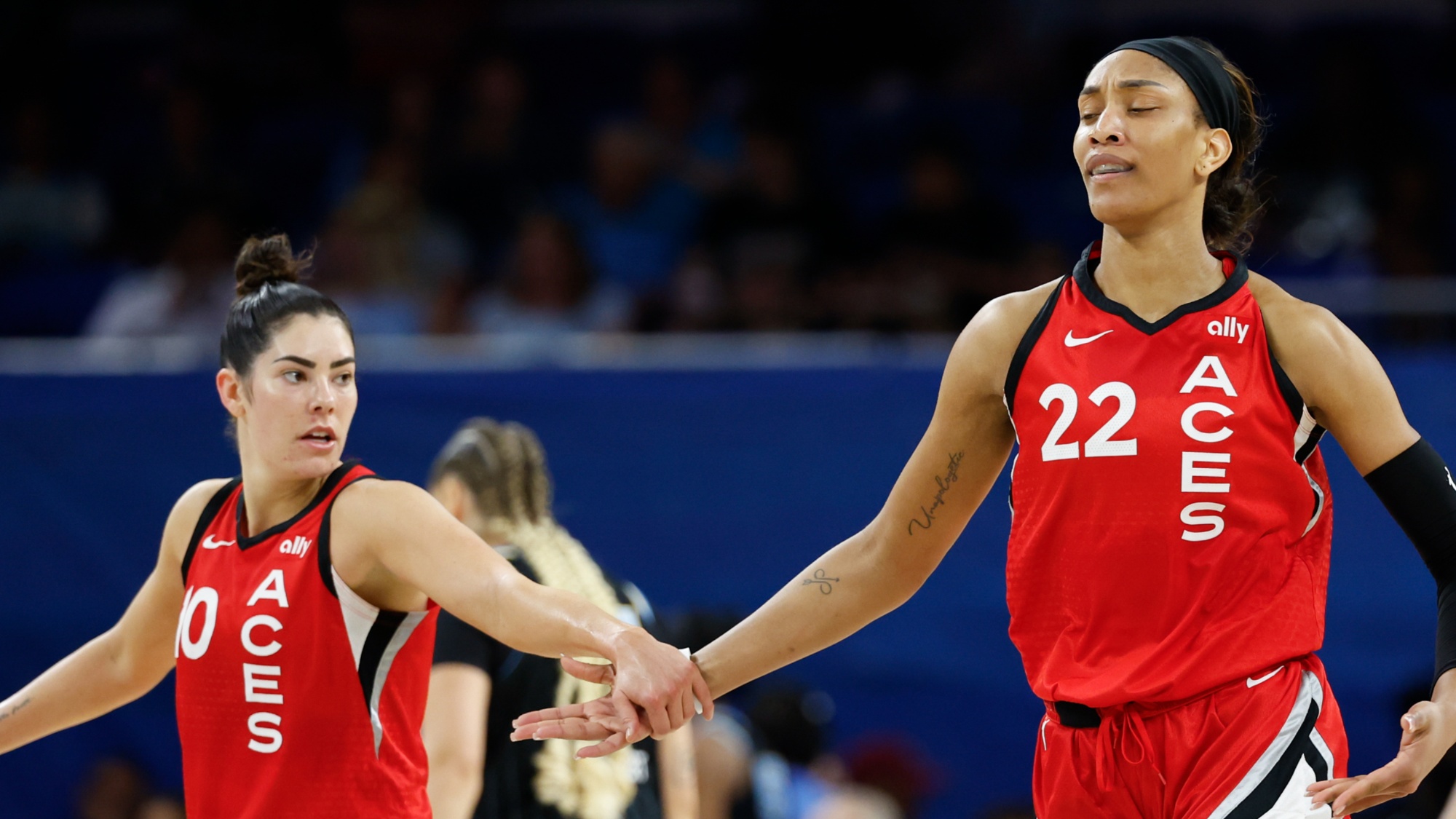
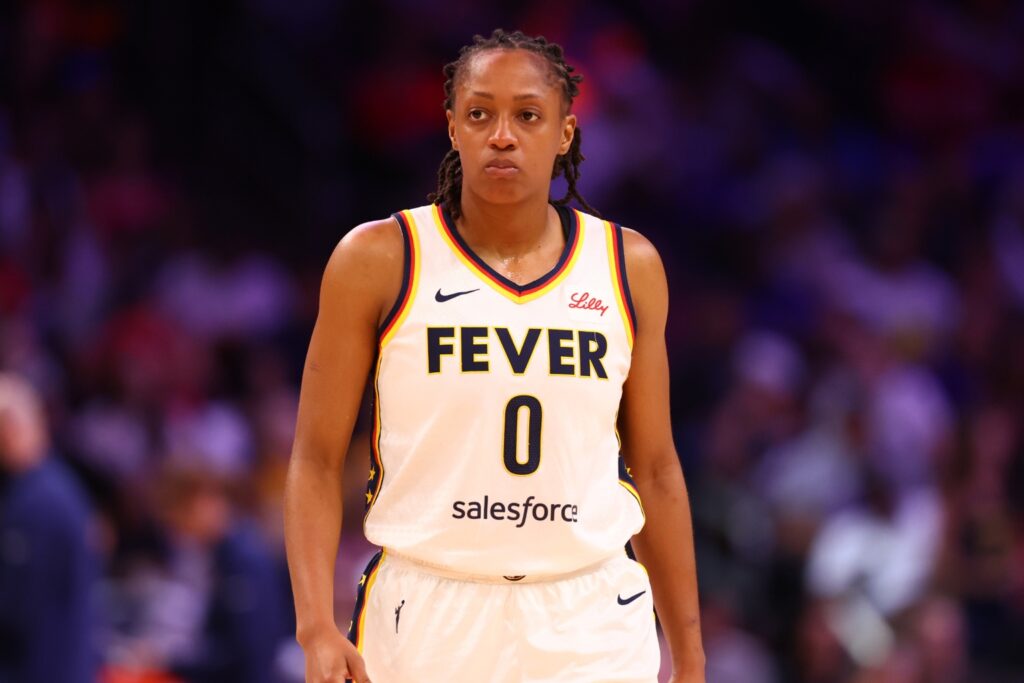
According to the 2025 data, Kelsey Mitchell (Indiana Fever), Breaanna Stewart (New York Liberty), and Gabby Williams (Seattle Storm) received core designations from their respective teams. Meanwhile, players like Satou Sabally (Dallas Wings), Alyssa Thomas (Connecticut Sun), and Kelsey Plum (Las Vegas Aces) were traded despite their special designation.
While very few players have participated in core designation, the basic idea behind the rule is to enhance team stability and provide players with leverage and security. The designation indirectly shapes free agency dynamics. With only one core per team and limited uses per player, it becomes a valuable, scarce tool. It also impacts financial planning, roster-building, and long-term roster strategies.