


Injuries are part and parcel of the game, and in professional-level games, they affect teams dearly. An injury to a high-performing player can affect the season and create a void in the roster. To counter these possibilities, the WNBA came up with the Disabled Player Exception rule. It provides authority to the affected team to acquire a replacement, even if they’re already at or above the salary cap.
We will discuss different points regarding the Disabled Player Exception rule, including how such an exception operates, how teams can utilize free agency or the salary cap under this rule, under what circumstances teams can utilize it, and some actual examples.
When Is WNBA Disabled Player Exception Rule Used?
A team can request the exception if one of its players is likely to miss the remainder of the season due to an injury. A doctor appointed by the league must find that the player is “substantially more likely than not” to be unable to play until the end of the season (generally defined as June 15).
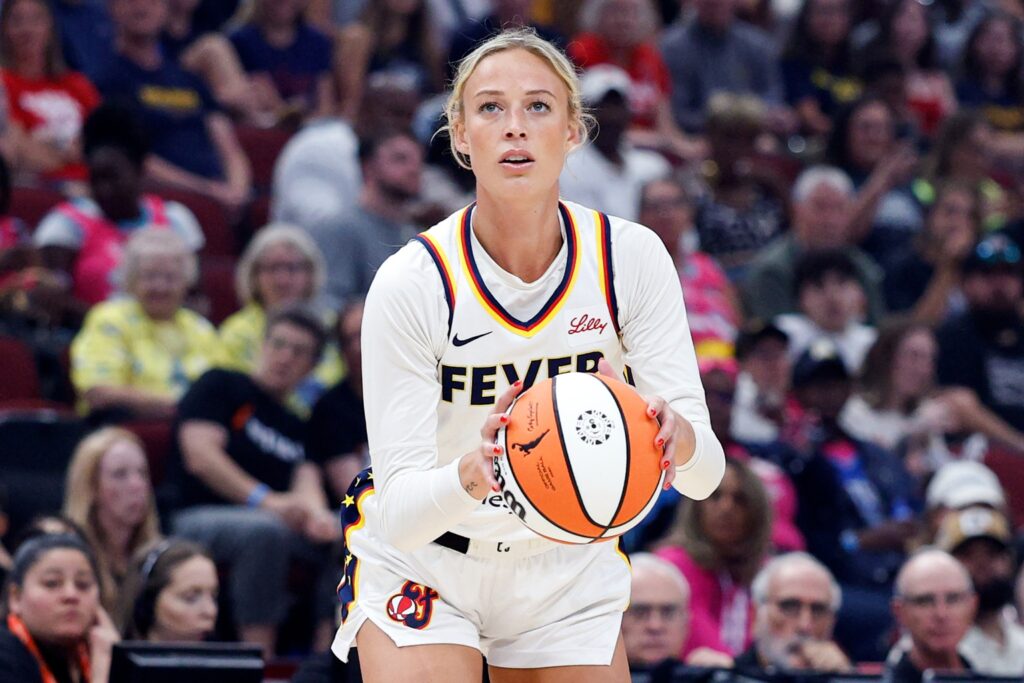
Teams have multiple options for operating with the rule. They can sign a free agent on a one—year deal, up to 50% of the salary of the injured player or non-taxpayer mid-level exception (MLE), whichever is lower.
Also, the side can trade for a player, but it has to be in the last year of the contract, and the salary must be no more than 50% of the injured player’s salary + $100K or non-taxpayer MLE + $100K, whichever is lower. Similarly, teams can claim a player off waivers.
The exception is only for a single use—on precisely one player. It does not lower the injured player’s salary—it stays on the books and still counts toward the salary cap and tax. The replacement contract has to be just one year; there are no multi-year contracts.
Scroll to continue reading
Trending WNBA News







How Has WNBA Disabled Player Exception Rule Been Utilized In Previous cases?
If a team has several injured players, such as the Los Angeles Sparks signing Liatu King when Rae Burrell and Cameron Brink were unavailable, it is eligible for a hardship exception to sign a replacement player for the short term. The Indiana Fever in 2025 also applied this rule to their roster management.

Simply put, the Disabled Player Exception allows teams to replace a hurt player without releasing salary cap space—yet only if absolutely necessary and under established guidelines. Serious injuries can keep the player out through June 15; the team must apply between July 1 and January 15 and use it by March 10. Then the team can sign a one-year free agent (max half-injured player’s salary or MLE), trade for a last year contract player (similar money + $100K), or claim such a player off waivers.