
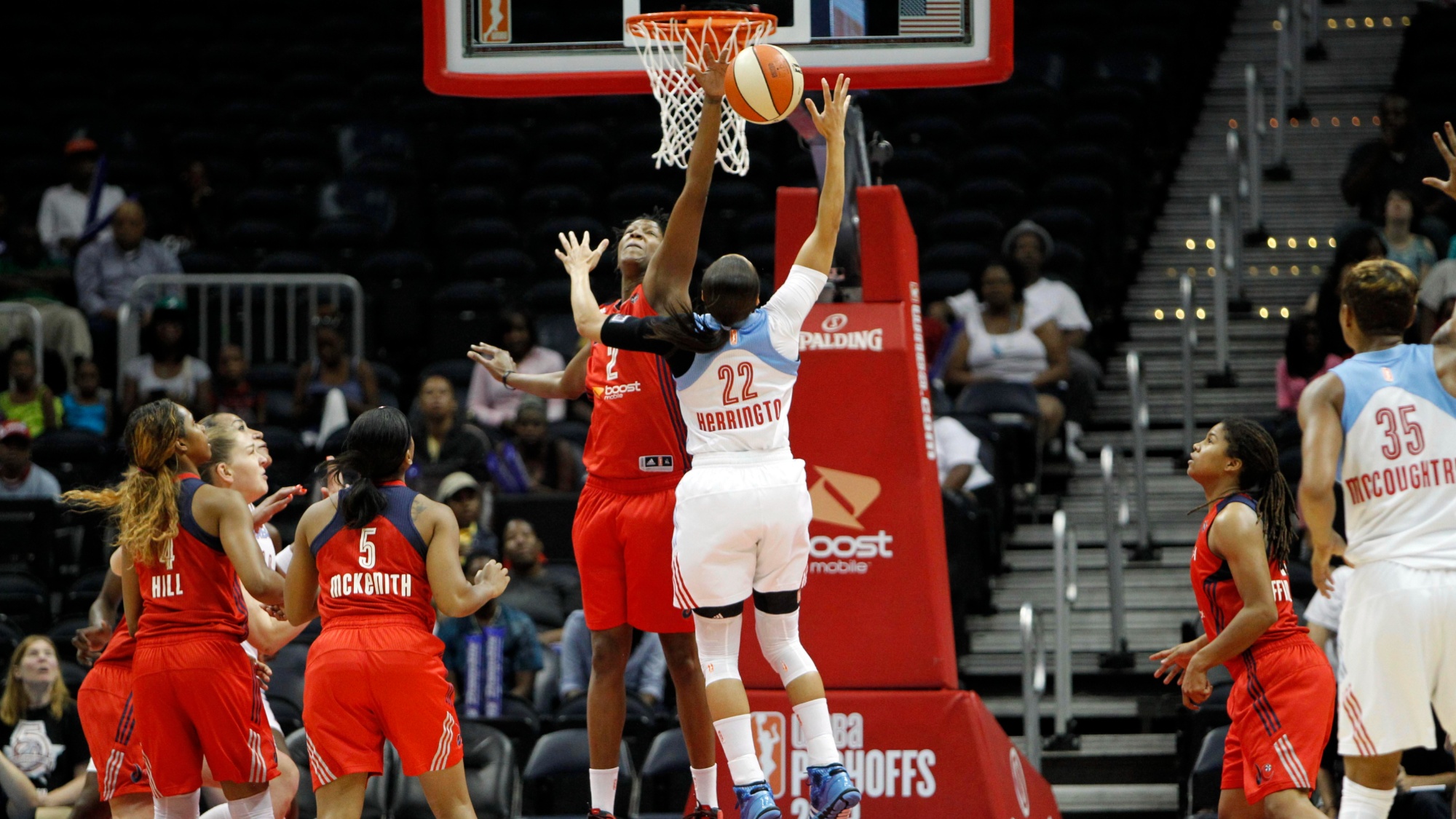

The WNBA, like most sports leagues, has eligibility standards that outline who can participate and under what circumstances. The rules are strict and kept so as to allow complete fairness in the games. When a player does not qualify under these standards or contradicts the Collective Bargaining Agreement (CBA), they are disqualified from playing.
Taking care of player eligibility is a prime requirement for the teams. They can lose a game because of fielding an ineligible player and even face sanctions from the league. Check out the criteria and their implications.
What If a WNBA Team Plays an Ineligible Player in a Game?
A player can be deemed ineligible for a number of reasons, such as violating draft eligibility or prioritization. Older overseas players might not qualify by age or draft standards, or players who don’t return from overseas commitments in a timely fashion can be ineligible to play.
The league can take action if a team knowingly or inadvertently allows an ineligible player to participate. The team can forfeit the game.

Sadly, individual historical examples of forfeitures for ineligible players are scarce in public databases. Still, there are historical instances, such as when the Atlanta Dream ineligibly drafted Isabelle Yacoubou in 2012. The team would go on to sign her later as a free agent.
Under the new priority rule, however, if the player does not comply with reporting requirements—perhaps by playing overseas into the season—they become squarely ineligible to sign any contract of any kind in the WNBA for that year. If a team uses such a player in a contest, the league has cause to punish the club, usually in the form of fines or rights forfeiture.
Scroll to continue reading
Trending WNBA News







What Penalties Can WNBA Teams Face For Violating Eligibility Rules?
The WNBA has a series of sanctions on teams that violate eligibility or similar CBA rules. The league has teams for various types of rule-breaking. The Las Vegas Aces forfeited their 2025 first-round draft selection, and their head coach, Becky Hammon, was given a two-game unpaid suspension for contravening league policies regarding impermissible benefits and workplace behavior.
This shows the league’s commitment to setting severe punishment—not fines, but actual penalties that affect future team-building.
The league can enforce ‘Prioritization Rule’ Penalties. The rule of prioritization governs when the players come back from foreign commitments. In 2023, late-arriving players to training camp as a result of off-season playing commitments. They paid 1% of the base salary per day as a penalty. Moreover, the free agents before the season’s opening were suspended for the whole season.
Beginning in 2024, the penalties grew more severe: absence from training camp or the May 1 deadline makes the player automatically ineligible for the whole season, with no option for fines.
Additional fines could be imposed as per the CBA. The CBA specifies definite penalties for wider breaches—for instance, unauthorized financial transactions or inducements. For initial breaches, a fine of up to $300,000 plus up to double compensatory damages is applicable. Subsequent offenses attract severe punishment—three times the damages for second offenses, with possible additional flat fines for a third breach.
Certain ineligible-player situations may fall under these provisions, particularly where clubs try to workaround deals or pay players improperly who are otherwise unable to sign.