


The WNBA league is made up of star players. The athletes and their gameplay draw the fans to the game. Both WNBA and players benefit from their collaboration, with the league providing a stage for players to showcase their skills and talented, popular players bringing in new fans for the league.
With increased participation, the emergence of foreign leagues, and improved compensation values, the league and players’ association agreed on a contract that binds, strengthens this association, and provides fans with an assurance of high-quality basketball. This clause in the contract is known as the WNBA Prioritization rule.
WNBA Prioritization Rule: Key Details
As a need of an hour, the prioritization rule came into existence in 2020. During the Collective Bargaining Agreement (CBA) the league introduced the rule and was applicable to players meeting the criteria. The basic principle behind the rule is to require that players—especially veterans—make the WNBA their first commitment during the summer season.
The rule came about as a quid pro quo. In exchange for significantly increased player compensation, team owners sought assurances that players would report promptly to training camp and not delay due to overseas obligations.
At the time, former WNBPA president Sue Bird presented the players’ perspective on agreeing to the prioritization rule. She mentioned that the league was not ready for any discussions until the players accepted the rule.

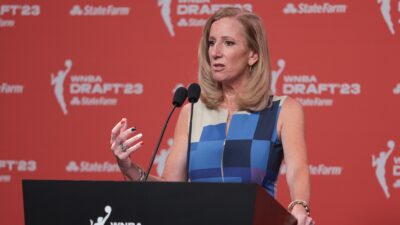
Commissioner at the time, Cathy Engelbert, also framed it as preserving franchise value and team chemistry: veterans must come back on time to build a “championship culture.” As part of the 2020 CBA, the league secured significant increases in salaries and benefits—such as maternity leave and enhanced player marketing opportunities. In return, the prioritization clause guaranteed that players would be present for training camp and the season’s start
Scroll to continue reading
Trending WNBA News









Changes In WNBA’s Prioritization Rule
The rules that came into existence in 2020 first applied in 2023. As per the rule, players with two or more years of experience need to report to the training camps or by the start of May. If the camps start late in May, then players can report directly to the training camps. Failing to do so will result in a daily loss of 1% of the player’s salary.
Still, if any player fails to show up till the start of the season, she will face suspension for the season. The rule got stricter, with direct suspension applied to the player if she failed to report to training camp. This would void any pay dues for the season.
How Does The WNBA Prioritization Rule Affect Players?
The league’s motive behind the introduction of the rule was clear and simple – to have the best players on the teams available from the start of the season. This not only builds chemistry but keeps fans engaged with the league. However, for players, it had a bit of a different impact. Many WNBA stars—particularly international players—earn far more overseas. For example, Breanna Stewart earned significantly more in Russia than her WNBA salary. Brittney Griner also played in Russia, and Diana Taurasi made several Euroleague appearances.

But some players found a way around this to safeguard their financial interests. Courtney Vandersloot admitted the rule influenced her to sign a one-year deal rather than commit long-term. Gabby Williams also criticized the rule as “ridiculous”, citing inflexible overseas schedules in France that conflicted with the WNBA’s opening. The 2019 WNBA champion and Finals MVP, Emma Meesseman, a Belgian forward, labeled it “not fair” to non-American players, saying it forces them to choose between home, national team, or the WNBA.
Exceptions Added To WNBA Prioritization Rule
With players’ backlash and finding ways around the rule, the league made some exceptions, allowing players to have their fair share. As per the new amendments, players can now leave for national team duties two weeks prior to a major tournament and return within 48 hours after its conclusion without penalty.
Similar special life events, such as college graduations, marriages, childbirths, and other major personal events, also became exceptions. Moreover, rookies and players in their first two seasons—those with under two years of experience—are not subject to prioritization penalties. This allowed the players to gain some experience overseas.