
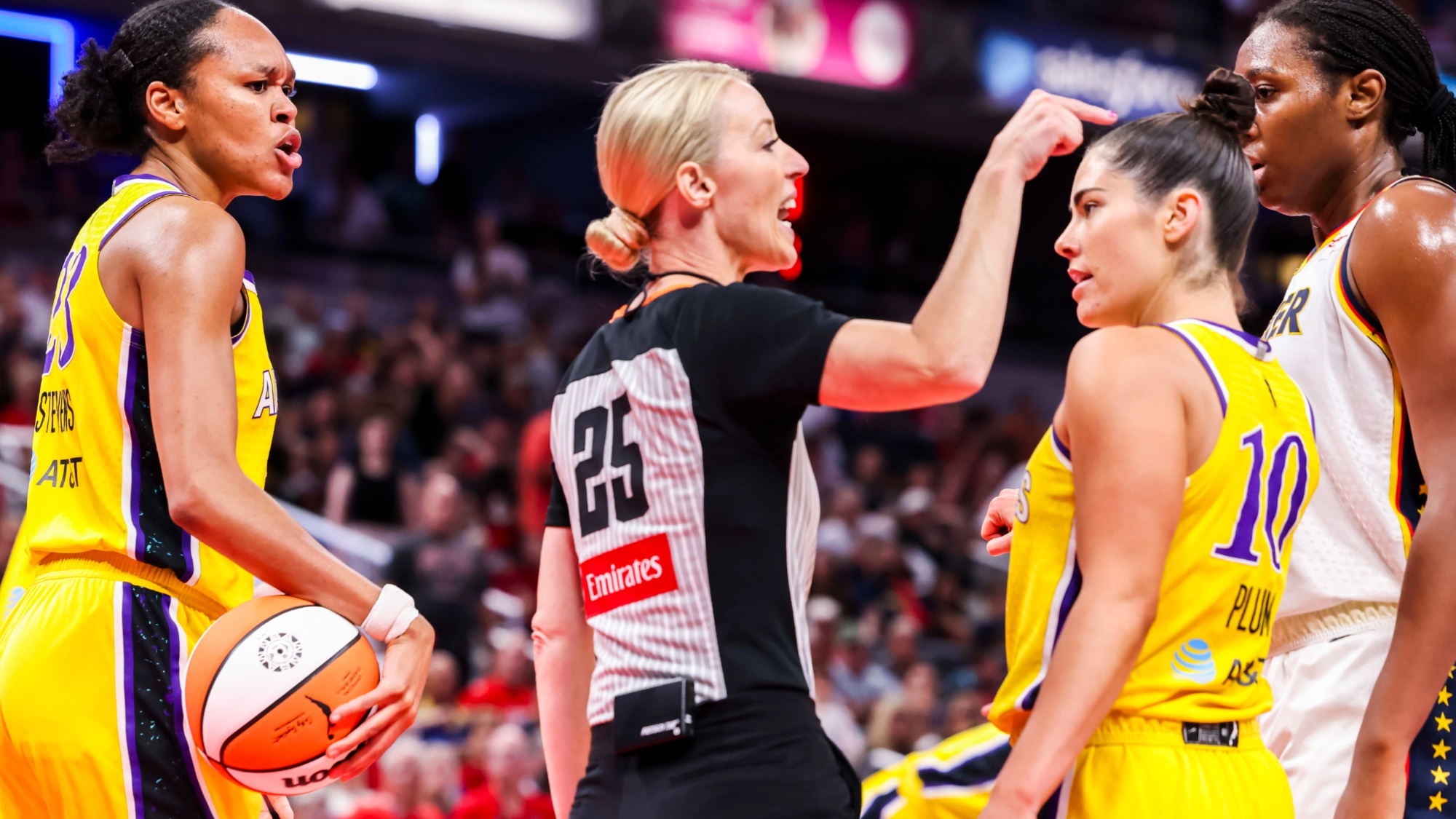

The WNBA is looking to improve the fan experience and help the players thrive on the court. Although defense is one of the important aspects of the sport, offense makes the game more interesting and entertaining. Looking at trends and loopholes, those can be cut aside, and the WNBA introduced the transition-take foul rule.
In 2023, the WNBA added a new rule, the Transition Take Foul. This rule is meant to maintain the flow of the game and promote thrilling plays. In this article, we will discuss the rule, how it benefits the game, and when the referee can call it. We will make it simple and easy to understand—ideal for new fans and people who just want simple information.
What Is The WNBA Transition Take Foul Rule?
Transition Take Foul is a unique type of foul in which a defender takes a purposeful foul on an offensive player while in a fast-break or transition, not even attempting to play the ball. If the defending team commits this foul, the offense receives one free throw, and any player from the offensive team can take the free throw. They also retain possession of the ball. The defender will have a typical personal foul—not a flagrant or technical foul.
Also, it is important to see the rules from the official’s perspective. First, officials consider if the defender made a legitimate play on the ball. If they merely grab or wrap up the offensive player or are out of place and not making a play, it is a transition take foul.
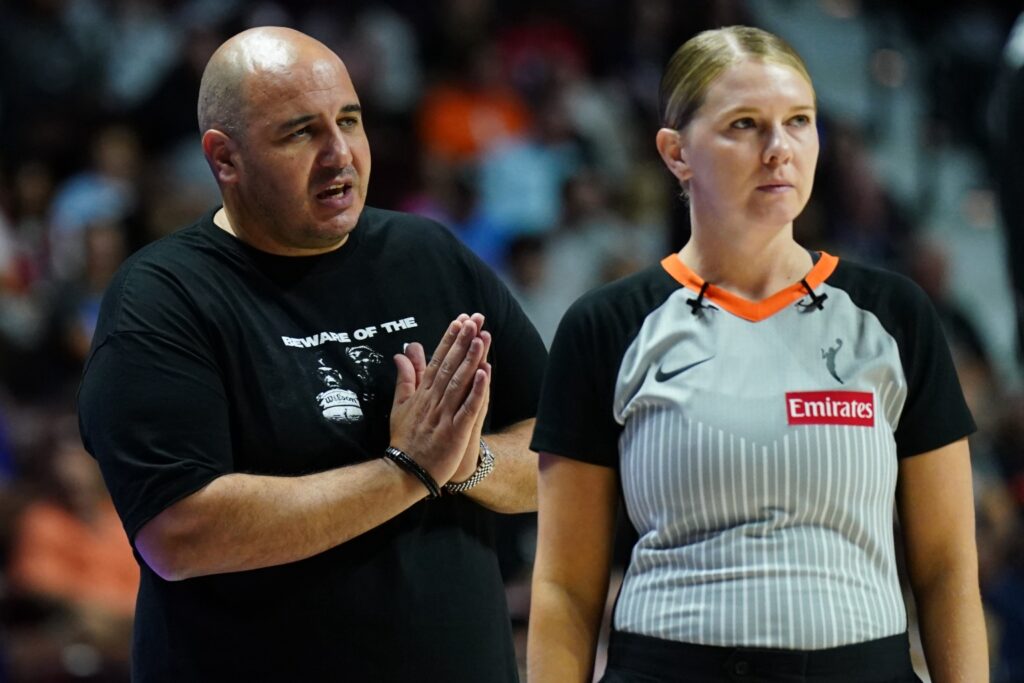
Exceptions: This rule doesn’t hold in the final two minutes of the game’s fourth quarter or overtime. Under those circumstances, teams can employ the old “take foul” ploy to halt the clock.
How Does The WNBA Transition Take Foul Rule Enhance Game Flow?
The aim of the rule is straightforward: make the game faster, more thrilling, and equitable. This rule affects the pace of the game in many ways, decreasing the stoppages. Fouling teams are discouraged from halting fast breaks without attempting to play the ball, which allows for more opportunities for rapid scoring and thrilling plays. By penalizing defensive teams that break up fast-break chances, the game stops less often, and action flows more smoothly.
Scroll to continue reading
Trending WNBA News









It also encourages fairness in the fixture. Offense will get both a free throw and the ball—strong enough to discourage cheap fouls but more equitable than traditional penalties. Coaches now have to think twice about employing take fouls too frequently. It drives teams towards more clean defensive strategies and provides fans with something to watch.
When Can Officials Call A Transition Take Foul In The WNBA?
Knowing when the officials can call this foul is as significant as knowing what it is. After a turnover, when the offense is transitioning fast, and the defender commits a foul without contesting the ball, the official blows a whistle for the foul. They can also call the foul when the defence tries to stop an obvious transition.
The rule does not hold during crunch time. During those precious seconds, defenders can take a foul to freeze the clock, which will attract a regular foul call. If a defender genuinely attempts to steal, block, or contest—even if there is contact—it’s not a transition take foul. It will be a regular foul unless it qualifies on other grounds, such as a clear path.