

The launch of the WNBA in 1997 was a monumental step forward in women’s sports. And with it came the birth of a new era in professional basketball. Fans across the country were eager to witness elite women athletes finally receiving the spotlight and structure they long deserved. Among those standout moments was the crowning of WNBA’s first MVP.
Let’s take a look at the player who earned the honor. From why she deserved it, and how her legacy helped shape the league in its earliest days.
Who WNBA’s First MVP In 1997?
The first player ever named WNBA Most Valuable Player was Cynthia Cooper of the Houston Comets. At age 34, Cooper was not only older than most of her peers, but she was also relatively unknown to many American fans at the time. Reason being, she had spent the majority of her professional career playing overseas in Italy before the WNBA was formed.
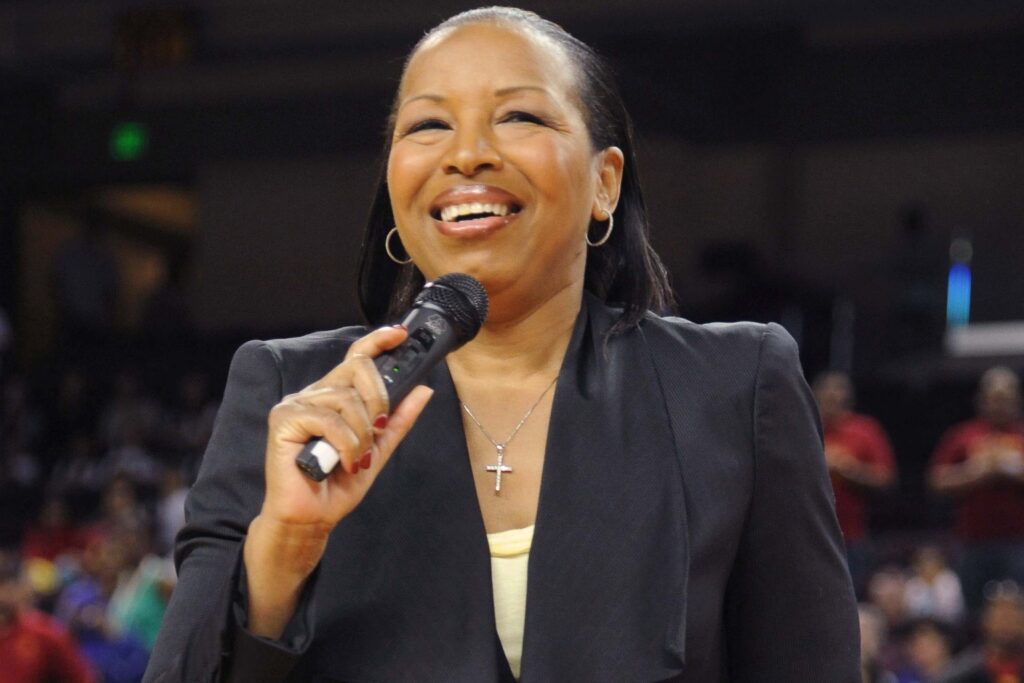
Cooper took the WNBA by storm in its debut season, averaging 22.2 points, 4.7 assists, and 2.1 rebounds per game. She led the Comets to an incredible 18–10 regular season record and ultimately a WNBA Championship in the league’s first year. Her scoring ability, command of the court, and clutch performances made her the clear standout in a league loaded with talent.
According to Basketball Reference, Cooper’s MVP win was nearly unanimous. She became the face of the league’s early dominance and an instant role model for aspiring players across the country.
What Made Cynthia Cooper’s MVP Season So Special?
Cooper wasn’t a fresh college graduate like many of her WNBA peers—she was a seasoned pro who had spent a decade honing her craft overseas in the Italian leagues, where she won several scoring titles and championships.
Scroll to continue reading
Trending WNBA News







When the WNBA began, Cooper was given the opportunity to play at home and finally showcase her skills on a national stage. Her combination of savvy, poise, and explosiveness made her nearly unguardable. She was known for her deadly mid-range jumper, excellent footwork, and a killer instinct in crunch time.
In addition to her individual numbers, Cooper’s leadership was essential to the Houston Comets’ success. Playing alongside future Hall of Famers like Sheryl Swoopes and Tina Thompson, Cooper was the veteran who glued the team together. Her experience and ability to elevate her teammates made her more than just a scorer—she was the heartbeat of the league’s first dynasty.
As USA Today noted at the time, “Cooper’s game speaks louder than hype. She walks the walk, every night.”
How Did 1997 Season Shape WNBA’s Identity?
The Comets’ style of play, led by Cooper, combined fundamental basketball with flair. More than just winning, they played a compelling brand of basketball that helped grow the fan base. Cooper’s MVP-level performance helped validate the quality of play in the WNBA. She showed that the league had world-class talent, and she set the bar high for all future MVPs.
Beyond the numbers, Cooper brought confidence and charisma to every game. Her signature “Raise the Roof” celebration became a symbol of the WNBA’s energetic arrival, and her competitive spirit gave the league a face that resonated with both hardcore hoop heads and new fans alike.
What Is Cynthia Cooper’s Lasting Legacy In WNBA?
Cynthia Cooper didn’t just stop at one MVP—she went on to win four consecutive WNBA championships (1997–2000) and two more MVP awards (1998 and 1999). She was also named Finals MVP all four times, an achievement unmatched in league history. Her dominance in the league’s early years helped define what greatness looked like in the WNBA.
After retiring in 2000 (and briefly returning in 2003), Cooper transitioned into coaching, continuing to mentor and inspire the next generation of athletes. She got the Naismith Memorial Basketball Hall of Fame nod in 2010.
Also Read: Who Scored the First Ever Basket In WNBA’s Historic Inaugural Game? Find Out