
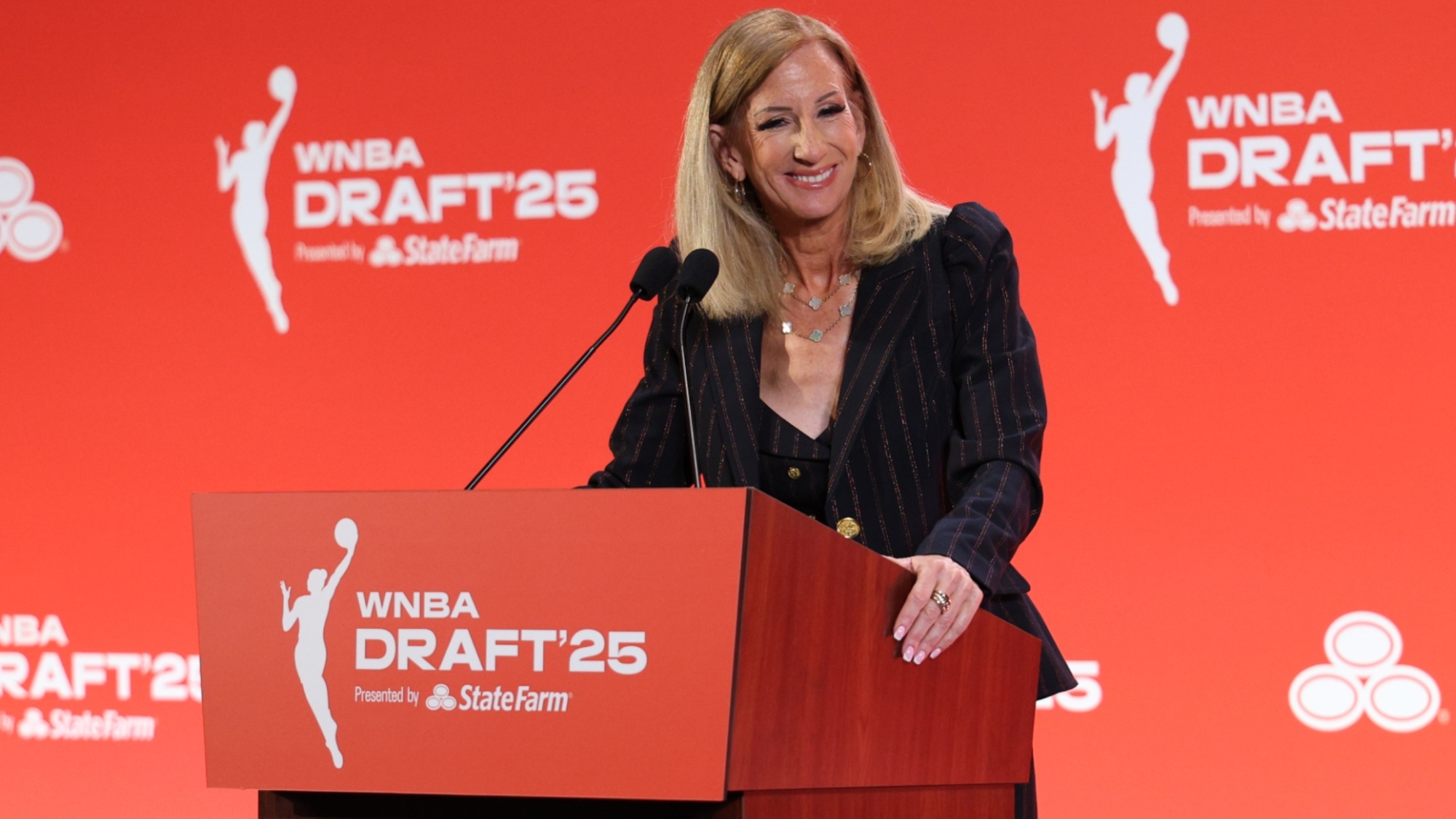

The Collective Bargaining Agreement (CBA) is the backbone of professional sports leagues, setting the rules for salaries, benefits, free agency, and working conditions. For the WNBA, which has been growing rapidly in viewership, revenue, and player influence, the CBA has become a crucial part of shaping the league’s future.
One of the CBA’s most important features is the opt-out clause. Both the players’ union (WNBPA) and the league (WNBA itself) can decide to end the agreement early if they believe better terms are needed.
But how do these CBA opt-outs actually work? When can they happen, and what are the risks if no agreement is reached afterward? Let’s break it all down.
When Can Players Or WNBA Opt Out Of The CBA?
Built-in flexibility for both sides
A typical CBA lasts several years, but within that span, there’s usually a clause that allows either party to opt out early. This gives flexibility in case league conditions change due to financial growth, player concerns, or other industry shifts.

For the WNBA, the 2020 CBA (widely celebrated as a landmark deal) was scheduled to run through 2027. However, it included a mutual opt-out option after the 2025 season.
Why players might opt out
The WNBPA may choose to opt out if:
Scroll to continue reading
Trending WNBA News





- Revenues are rising faster than salaries.
- Players want better travel accommodations (private flights vs. commercial).
- There’s a push for expanded rosters or higher salary caps.
- Growing viewership and media deals justify a bigger share for athletes.
Why the WNBA might opt out
The league itself could also choose to opt out if:
- It wants to restructure financial commitments.
- It foresees changes in broadcast deals, sponsorship, or expansion that make the current agreement outdated.
- It needs to address structural issues like roster limits or playoff formatting.
Deadlines matter
The opt-out decision usually has a specific deadline. If either side misses the window, the CBA automatically continues until its original expiration date.
What Happens If No Agreement Is Reached After Opt-Out?
The negotiation window opens
Once either side opts out, the existing CBA doesn’t immediately vanish. Instead, it sets the stage for intense negotiations. Both the league and players must return to the table to draft a new agreement.
Risk of a work stoppage
If no new CBA is agreed upon before the current one officially expires, the league faces the risk of a lockout (league shuts down operations) or a strike (players refuse to play).
- In the NBA and NFL, CBAs have led to lockouts in the past.
- The WNBA has so far avoided a full-season stoppage, but with the league’s growing power, this becomes a real possibility if negotiations stall.
Temporary extensions
Sometimes, both sides agree to short-term extensions to avoid immediate disruption. This buys more time while keeping games on schedule.
Fans and financial impact
A CBA dispute impacts not only players and owners but also:
- Fans who could lose games.
- Broadcasters, who lose programming.
- Sponsors who hesitate to invest.
Because of this, both sides are usually motivated to reach a deal before disruption occurs.
Historical Context: WNBA And Collective Bargaining
The 2020 CBA – A Game-Changer
The most recent agreement, signed in 2020, was hailed as the most player-friendly deal in WNBA history. It included:
- 50% revenue sharing (tied to league growth goals).
- Salary increases, with top players making over $200,000.
- Improved travel standards (premium economy).
- Maternity and family benefits that set new standards in pro sports.
This deal helped reshape the perception of the WNBA and showed that player voices carried real influence.
Why the 2025 opt-out matters more than ever
By 2025, the WNBA will be in a very different place:
- Expansion franchises are expected.
- Record-breaking attendance and viewership have boosted league revenues.
- Players are increasingly advocating for charter flights, larger rosters, and higher pay ceilings.
An opt-out could therefore spark a transformational negotiation, much like 2020 did.
Conclusion: Opt-Outs As A Path To Progress
The WNBA Collective Bargaining opt-out clause is not just a legal formality—it’s a powerful tool that can reshape the future of women’s basketball.
By 2025, both the players and the league will face a decision: stick with the current deal or opt out in search of something better. The outcome will affect everything from player paychecks to fan experiences.