
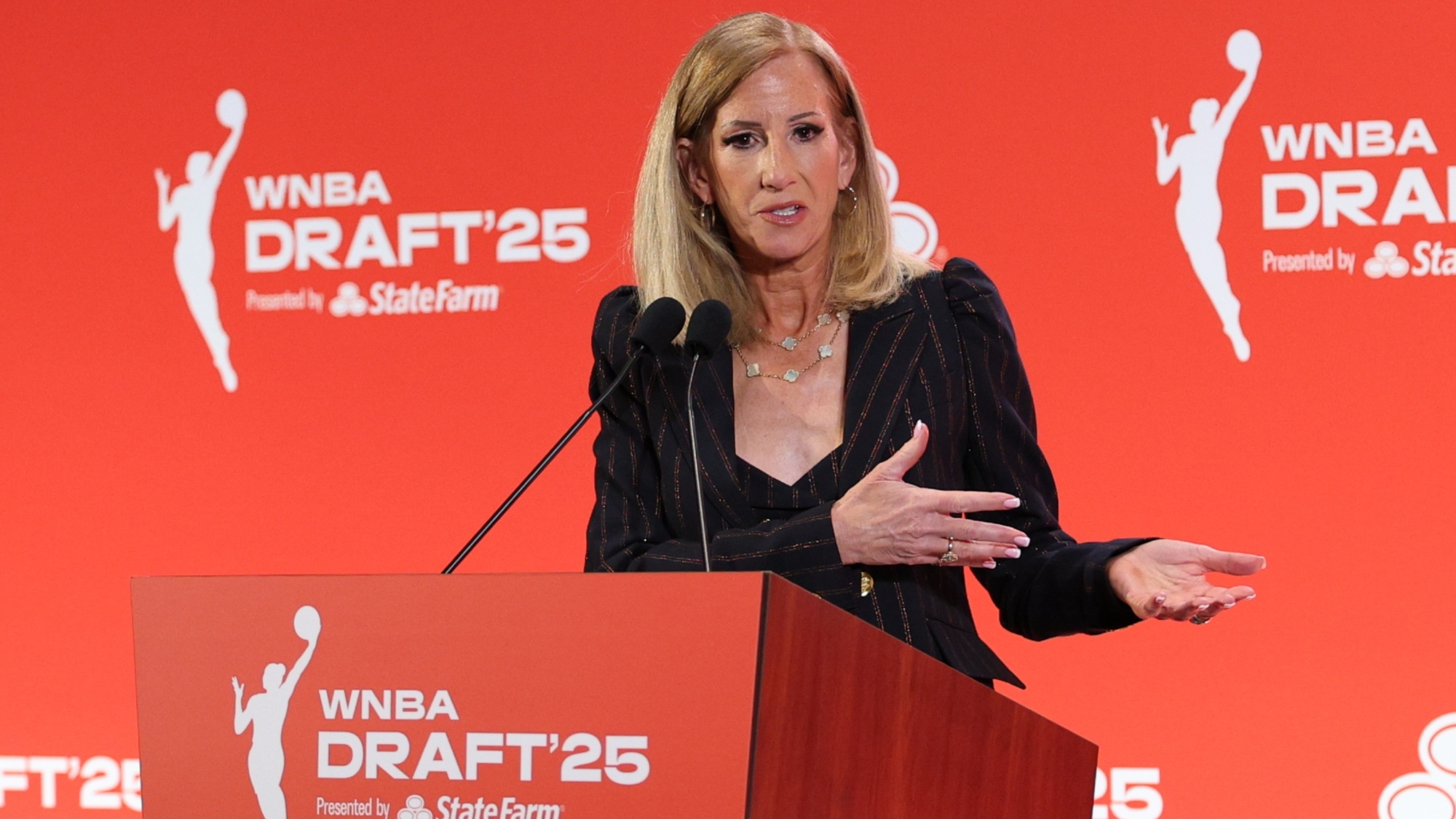

The WNBA Draft is one of the most important events of the season. It’s the day when teams add future stars who can change the direction of a franchise. But before the draft takes place, the league holds a lottery to decide the order of the top picks. So, how does this process impact team strategy? The WNBA Draft Lottery’s role in shaping the future of the league offers a clear explanation.
Fans often wonder how the lottery works, which teams get the best chance at landing the No. 1 pick, and why odds are based on more than just one season. This system is similar in fairness to the WNBA salary cap structure that dictates financial balance—both aim to maintain competitive integrity across the league.
How Does WNBA Lottery Odds System Work?
The WNBA Draft Lottery decides the order of the top four picks in the upcoming draft. It is designed to give struggling teams a better chance at securing high draft talent while preventing intentional losing, also known as “tanking.”
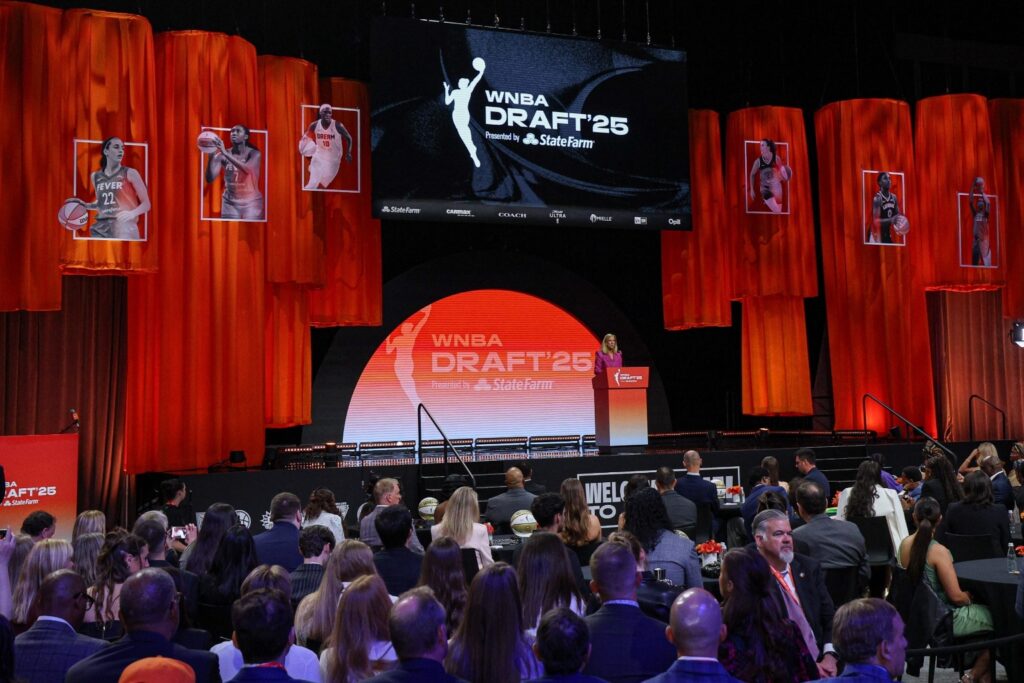
- The lottery involves the four teams with the worst combined records over the past two regular seasons.
- These teams are entered into a drawing where ping-pong balls are used to determine who gets the No. 1 overall pick.
- Unlike a straight draft order based only on the most recent season, the WNBA uses a two-year record system to balance fairness and discourage tanking.
This format makes the lottery unique compared to other leagues like the NBA, where only one season’s record is considered.
Which WNBA Teams Get The Best Chance At The No. 1 Draft Pick?
Not every lottery team has the same odds. The team with the worst combined record over the previous two seasons gets the best chance at winning the No. 1 pick.
Scroll to continue reading
Trending WNBA News









- Worst record over 2 years: Highest odds of winning the lottery.
- Second-worst record: Second-best odds.
- Third-worst record: Lower odds.
- Fourth-worst record: Smallest chance among lottery teams.
For example, If a team finished last place in both 2024 and 2025, they would likely enter the 2026 lottery with the strongest odds of landing the first pick.
This ensures that the most struggling franchises are given the opportunity to rebuild with elite young talent.
How Are Odds Calculated Based On Previous WNBA Seasons?
The two-season system is central to how the odds are calculated. Here’s how it works:
- The league looks at the combined winning percentage of each lottery team from the last two seasons.
- The team with the lowest combined winning percentage gets the most ping-pong balls in the draw, giving them the highest probability of winning.
- Other teams are ranked accordingly, with fewer balls and lower chances of landing the top pick.
This method ensures the lottery reflects long-term struggles instead of just one bad season. It also discourages teams from purposely losing in a single season just to secure the No. 1 pick.
Why This System Matters
The WNBA Draft Lottery system plays a big role in keeping the league competitive:
- Helps weaker teams rebuild by giving them access to top draft talent.
- Prevents tanking, since teams can’t rely on just one season of losing to guarantee the top pick.
- Creates excitement as fans and players wait to see which franchise will have the chance to select the next superstar.
With the WNBA gaining more attention and producing stars like Caitlin Clark, A’ja Wilson, and Breanna Stewart through the draft, the lottery is only becoming more important for the league’s future.
FAQs
Q1: How many teams are in the WNBA Draft Lottery?
A: Four teams — those with the worst combined records over the last two regular seasons.
Q2: When is the WNBA Draft Lottery held?
A: The lottery usually takes place in December, several months before the WNBA Draft.
Q3: Can a team with the worst record ever fall out of the top 2 picks?
A: Yes. The lottery only decides the order of the top 4 picks, so even the team with the worst record could fall to pick No. 2, 3, or 4, depending on the draw.
Q4: Why does the WNBA use a two-year record instead of just one season?
A: To discourage tanking and ensure the lottery rewards teams that have been struggling long-term, not just teams that had one bad season.