
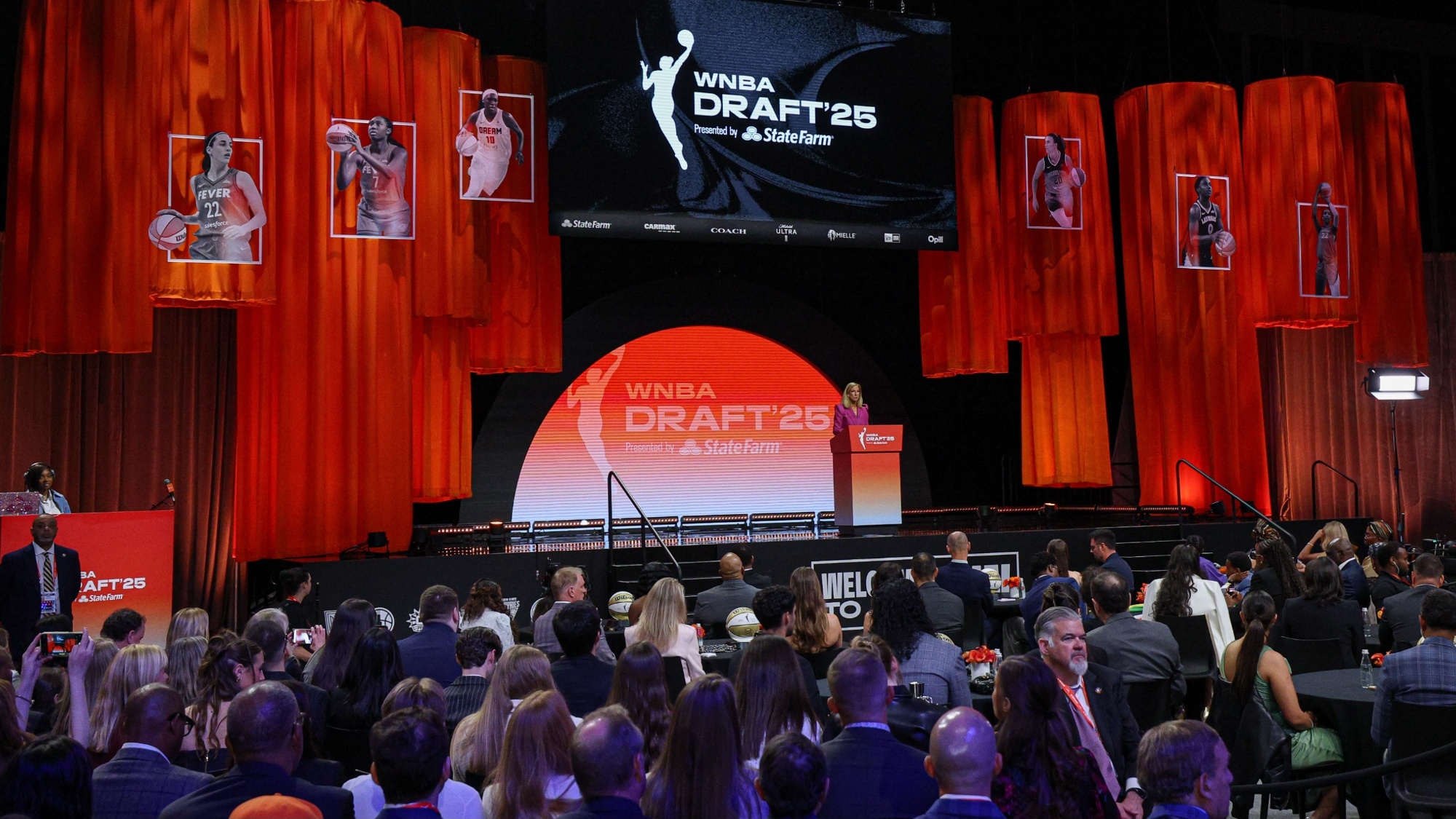

Every April, the WNBA Draft gives teams the chance to add the best young talent entering the league. But with the WNBA’s hard salary cap system and only 12 roster spots, fans often wonder: How do teams afford to sign their draft picks without going over the cap?
That’s where the WNBA Draft Pick Salary Cap Exception comes into play. This rule ensures that teams can always sign their rookies, even if they’re already close to the salary cap limit.
Let’s break down exactly how this exception works and why it’s a key part of the WNBA’s roster-building system.
What Is WNBA Salary Cap Exception For Draft Picks?
The Draft Pick Exception is a special salary cap rule that guarantees WNBA teams can sign their rookie draft picks without needing extra cap space.
- Each rookie’s salary is pre-determined by the CBA based on draft position.
- Because of this rule, a team doesn’t need available cap room to sign its draft pick.
- Instead, the contract “fits in” automatically under the exception.
This ensures no team is punished for being successful in the draft just because of tight cap situations.
Scroll to continue reading
Trending WNBA News





How Do WNBA Teams Fit Rookie Contracts Into the Salary Cap?
Rookie contracts are slotted based on where a player is drafted.
For example (2025 WNBA Draft scale, per CBA):
- 1st overall pick: earns about $76,000 base salary in year one.
- Mid-to-late first-round picks: make around $70,000–$73,000.
- Second- and third-round picks: usually make closer to $65,000–$68,000.
Because of the exception, teams don’t need to carve out cap space before draft night. Once a rookie is drafted, the team can sign them immediately, regardless of how much room they have left under the cap.
This system avoids situations where a draft pick can’t join their team due to financial limits.
What Makes WNBA Draft Pick Exceptions Different From Other Exceptions?
The WNBA has a few salary cap exceptions, like hardship exceptions (for injuries) or replacement player exceptions. The Draft Pick Exception stands out because:
- Automatic Fit – Rookie contracts are pre-slotted, unlike hardship signings, which depend on injury verification.
- Universal Application – Every team gets it each year for their draft picks, no approval needed.
- No Cap Hit Concerns – Teams can be at the cap or even slightly over, and still sign rookies without penalty.
This is why every first-round pick always signs their deal — there’s no cap-related risk of them being left out.