


Injuries are an unavoidable part of basketball, and the WNBA has clear rules on how teams must manage injured players. The injury list rule ensures that rosters remain balanced and competitive while giving players enough time to recover properly.
Similar to the WNBA prior injury rule, these policies are designed to protect player health while ensuring teams do not gain an unfair advantage through roster maneuvers. For fans, understanding this rule explains why certain stars might miss extended time and how teams adjust during their absence.
How Long Must WNBA Players Stay On Official Injury List?
When the WNBA places a player on its official injury list, it sets minimum requirements for how long she must remain inactive. In most cases, players must sit out at least three games before being eligible to return. This rule prevents teams from using short-term injuries as a way to rotate rosters or manipulate substitutions.
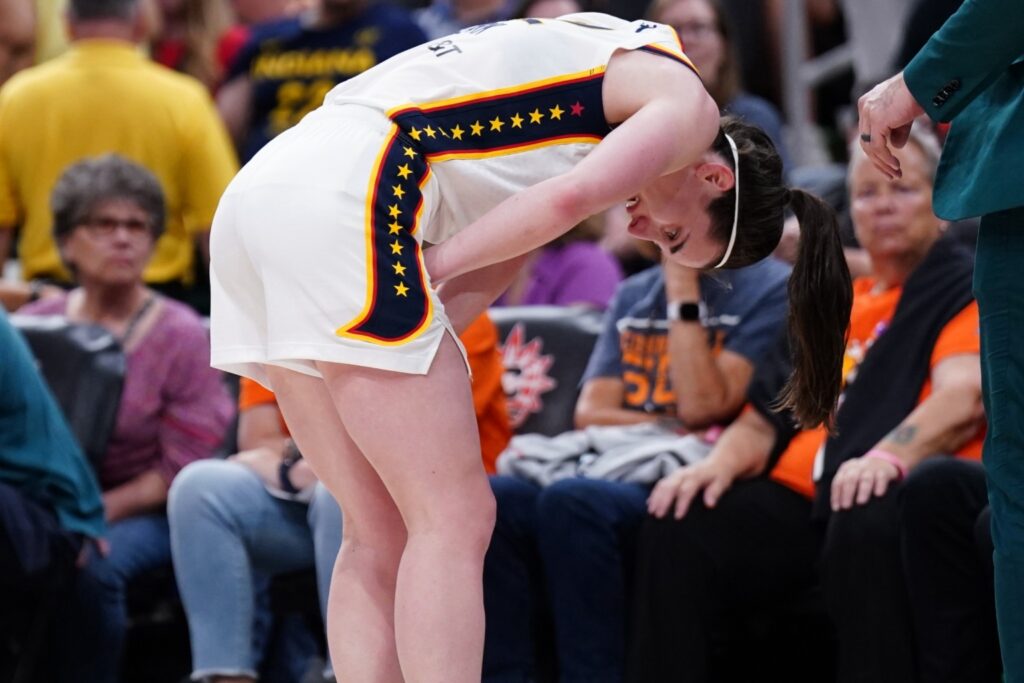
The league also demands medical verification before it adds a player to the injury list. In some situations, if a player faces a season-ending condition, teams may apply for relief under the WNBA medical exemption rule, which allows them to replace that player while she recovers temporarily.
Once a player earns clearance, she cannot return until both the required time has passed and team doctors confirm her fitness to play. This protects player health and prevents rushed comebacks that could lead to re-injury.
How Does WNBA Injury List Rule Affect Roster Availability For Teams?
The injury list has a direct impact on roster flexibility. When officials rule a player out, her spot does not automatically open for another signing. Instead, teams must work within the salary cap and roster limits to decide whether to bring in a hardship replacement player.
Scroll to continue reading
Trending WNBA News










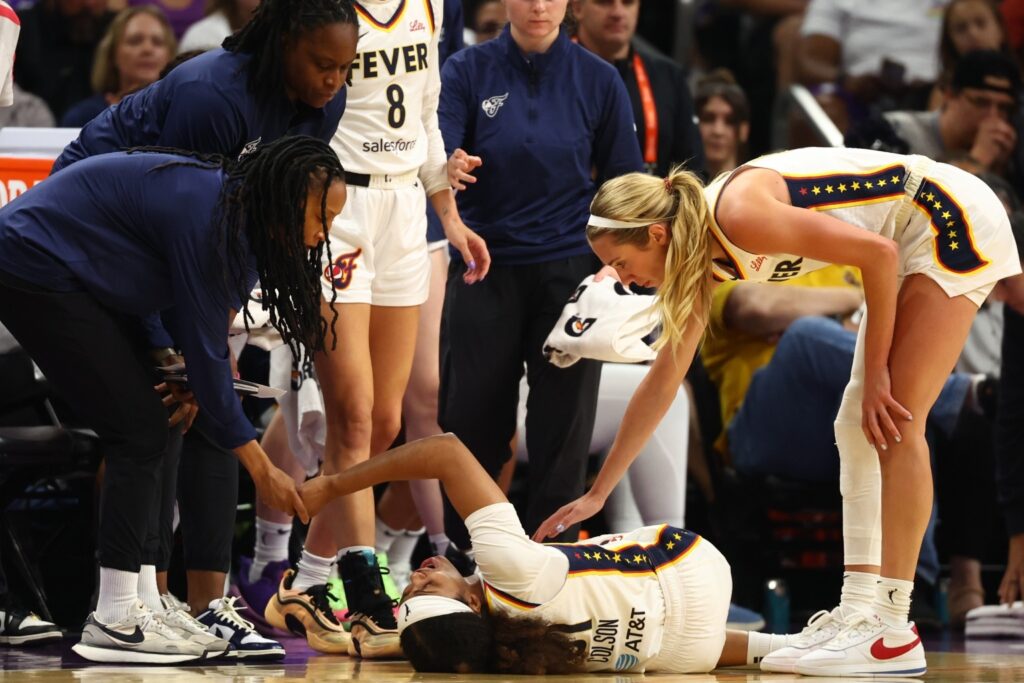
For example, if multiple injuries occur at once and a team falls below the league’s minimum number of active players, the WNBA can grant a hardship exception. This allows teams to sign a temporary replacement until the injured players return. Once the roster regains full health, the team waives the hardship contract, and the roster reverts to its normal size. The league has also introduced policies like the WNBA rest rule to ensure that star players aren’t overworked, showing how all of these measures connect to player safety and long-term performance.
This system supports teams in staying competitive while ensuring that the team does not pressure injured players to rush back before they are ready.
Why The Injury List Rule Matters
The WNBA’s injury list rule balances two key priorities: protecting players and maintaining fair competition. It ensures that health comes first while also preventing teams from gaining an unfair advantage with roster manipulation. Fans may not always see the details behind these rules, but they play a big role in keeping the season running smoothly.
The WNBA injury list rule is more than just paperwork—it is a safeguard for player safety and team integrity. By setting a minimum time on the injury list and regulating roster moves, the league ensures that athletes recover properly and that games remain competitive. It may frustrate fans when stars miss multiple games, but ultimately, the rule serves the long-term health of players and the fairness of the league.