

WNBA fans are waiting to see the conclusion of the CBA discussions, with multiple extensions and rejections forcing the WNBA and the WNBPA to keep working on the terms. After one year, the stalled discussions are certainly a concerning sign. Breanna Stewart got brutally honest on the current state of WNBA-CBA negotiations.
The growing tensions and friction might call for a different approach towards finding the middle ground. But the WNBA insiders have other fears.
WNBA Insiders Fear Cancellation Of 2026 Season
Even before the league sent its proposal, Sandy Brondello slammed the delay, as her expansion team is waiting for its first player. The entire league has a similar feeling, with players also voicing their concerns about the delay. But now, even with the proposal in place, there are not many positive signs, as a WNBA insider feared further delay.
FOS’s Vanshay Murdock wrote, “The 2026 WNBA season is slated to begin on May 8. In order to do so, the league would have to conduct an expansion draft for the Toronto Tempo and the Portland Fire, free agency, and a standard collegiate draft. Multiple sources have expressed a growing concern to FOS that if a deal is not done within the first two weeks of February, the season will be delayed.”
“The 2026 WNBA season is slated to begin on May 8. In order to do so, the league would have to conduct an expansion draft for the Toronto Tempo and the Portland Fire, free agency, and a standard collegiate draft. Multiple sources have expressed a growing concern to FOS that if a… https://t.co/zvBfxdkqgJ
— Vanshay Murdock 🎥🎥 (@vanshaym) February 7, 2026
Considering the number of free agents and the expansion draft process, it would take at least two months to complete all these important steps. Moreover, the gap between WNBA draft night and the actual season start date is small, putting pressure on teams to welcome the players and train them with the rest of the roster.
Scroll to continue reading
Trending WNBA News



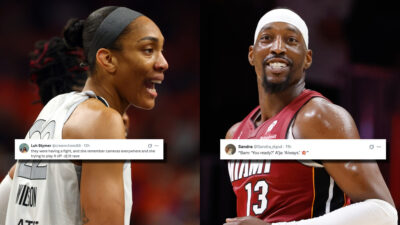
While the WNBPA handed out its non-negotiable demands, the league is trying to get as close to it as possible, but also keeping its own interests intact.
Huge Gap Between WNBA’s Proposal And WNBPA’s Demands
The league’s approach seems to be somewhat more evolutionary: moderate salary increases, capped revenue sharing, and limits to preserve long-term financial stability. The WNBPA, on the other hand, is arguing for a swifter, more meaningful movement: players should get a much larger share of league revenue as viewership, sponsorships, and media deals rise.
The gap between the WNBA’s latest proposal and the demands of WNBPA points to further tension in labor negotiations.
From the union’s point of view, none of these offers really reflect the current popularity and the leading cultural force that women’s basketball has become. The divide will be an ongoing major issue for the future of the WNBA-which has found itself continually in flux-until both sides move closer on pay structure, revenue sharing, and player welfare.