
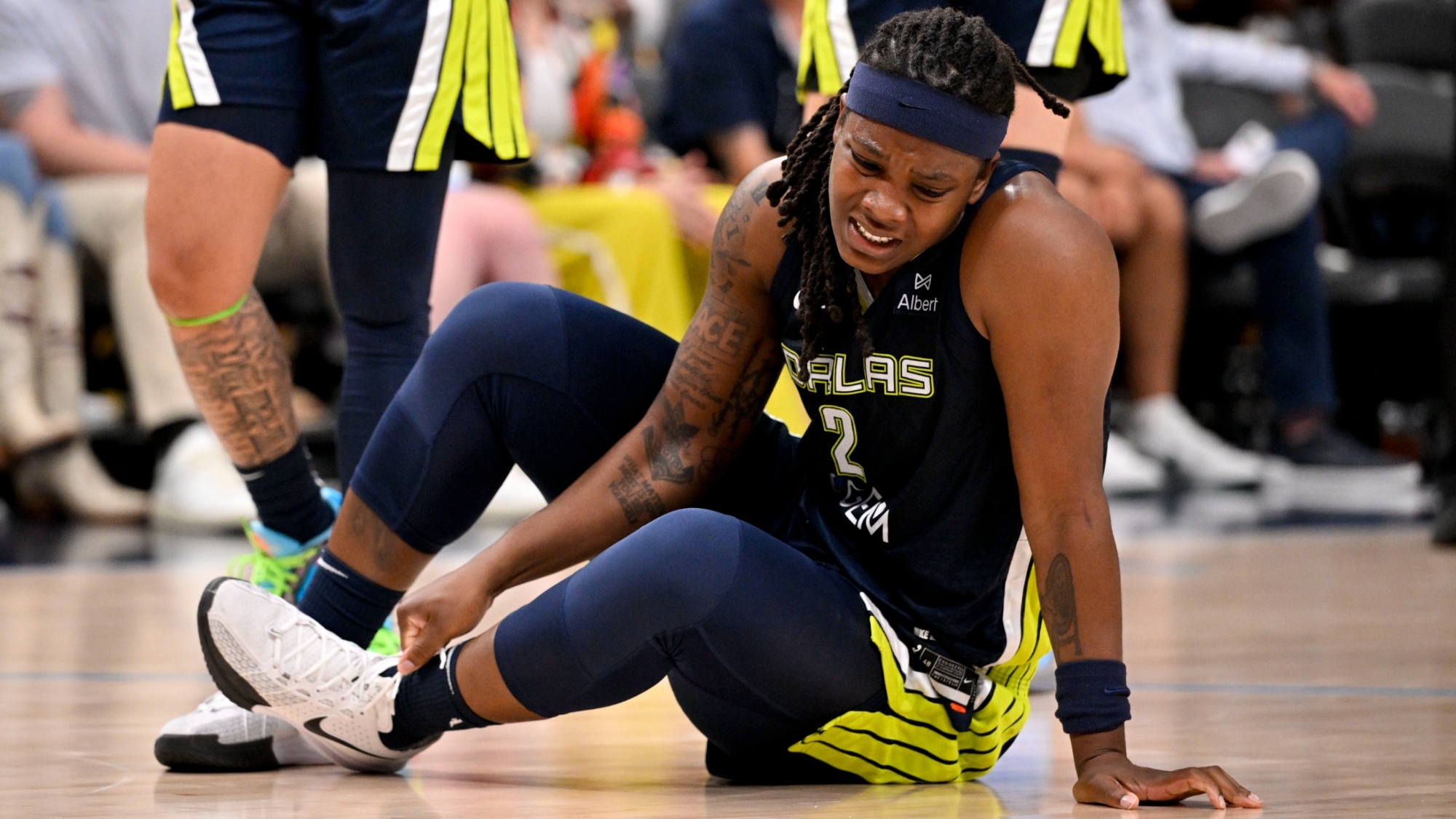

In a league with just 12 roster spots per team, player availability in the WNBA is critical. When a player faces a serious injury or medical condition, teams have the option to apply for a Medical Hardship Exemption, commonly called a medical exemption. Much like how the WNBA salary cap operates, this exemption balances player protection with team flexibility.
This rule is designed to help both the player and the team: the player can focus on recovery without rushing back, and the team can temporarily replace them without violating roster size limits. Fans familiar with offseason roster moves also know that the WNBA Draft Lottery plays a similar role in shaping how franchises prepare for the future.
Here’s everything you need to know about how medical exemptions work in the WNBA.
How Do WNBA Medical Exemptions Work?
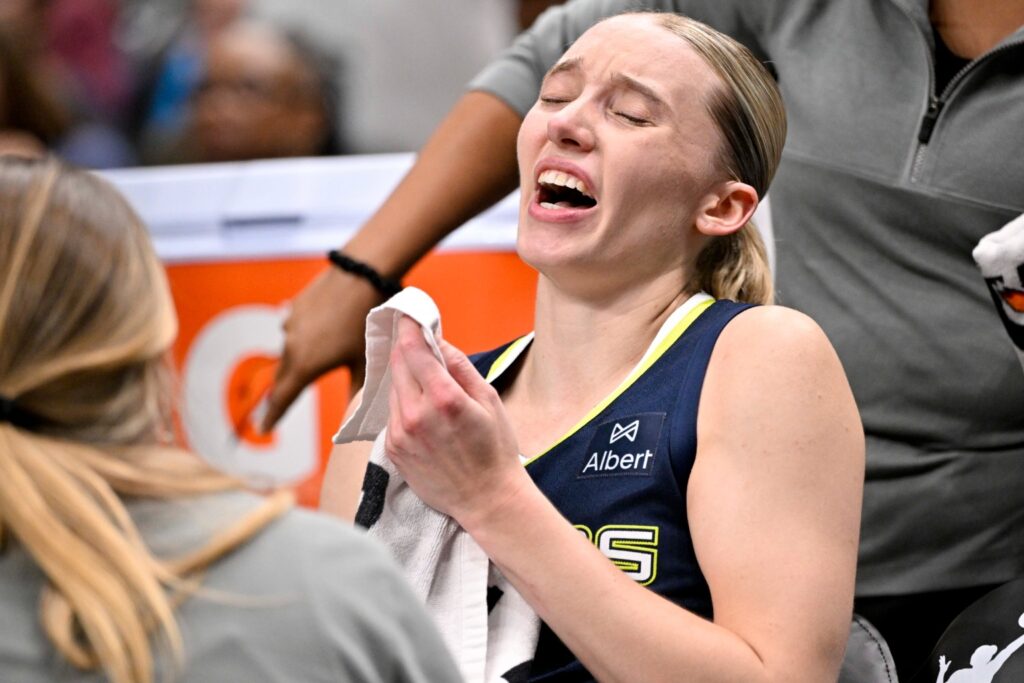
The WNBA Medical Hardship Exemption allows a team to apply for relief if a player is medically unable to play for the rest of the season.
Key points:
- The exemption must be approved by the league office.
- The player’s medical condition is verified by both team doctors and league-appointed physicians.
- If granted, the team is allowed to sign an additional player beyond the normal 12-player roster limit.
Scroll to continue reading
Trending WNBA News










This ensures competitive balance while preventing teams from being shorthanded due to long-term injuries.
When Can WNBA Player Apply For Medical Exemption?
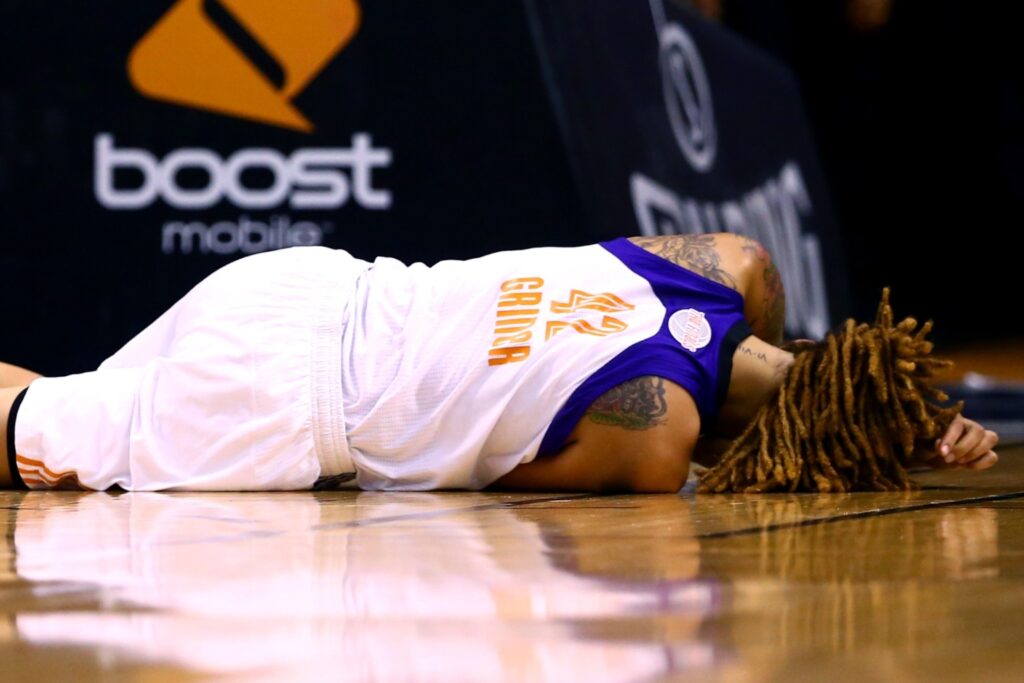
A medical exemption can only be requested after the season has started and once it’s clear that a player will miss the remainder of the year due to injury or illness.
For example:
- If a player suffers a season-ending ACL injury in June, the team may apply for a medical exemption.
- The request must include official medical reports and league approval before a replacement player can be signed.
This process protects the integrity of rosters while giving flexibility for unavoidable injuries.
How Does This Rule Affect WNBA Team Roster Spots?
Normally, WNBA teams are capped at 12 active roster spots. With a medical exemption:
- The team may temporarily add a 13th player.
- The replacement player’s contract is typically for the remainder of the season.
- Once the injured player is medically cleared, the exemption can be revoked, and the roster returns to 12.
This rule ensures that injuries don’t unfairly punish teams in a small league with limited depth. In some cases, front offices may also explore other tools, such as the WNBA trade exception rule, to navigate roster challenges during the season.