
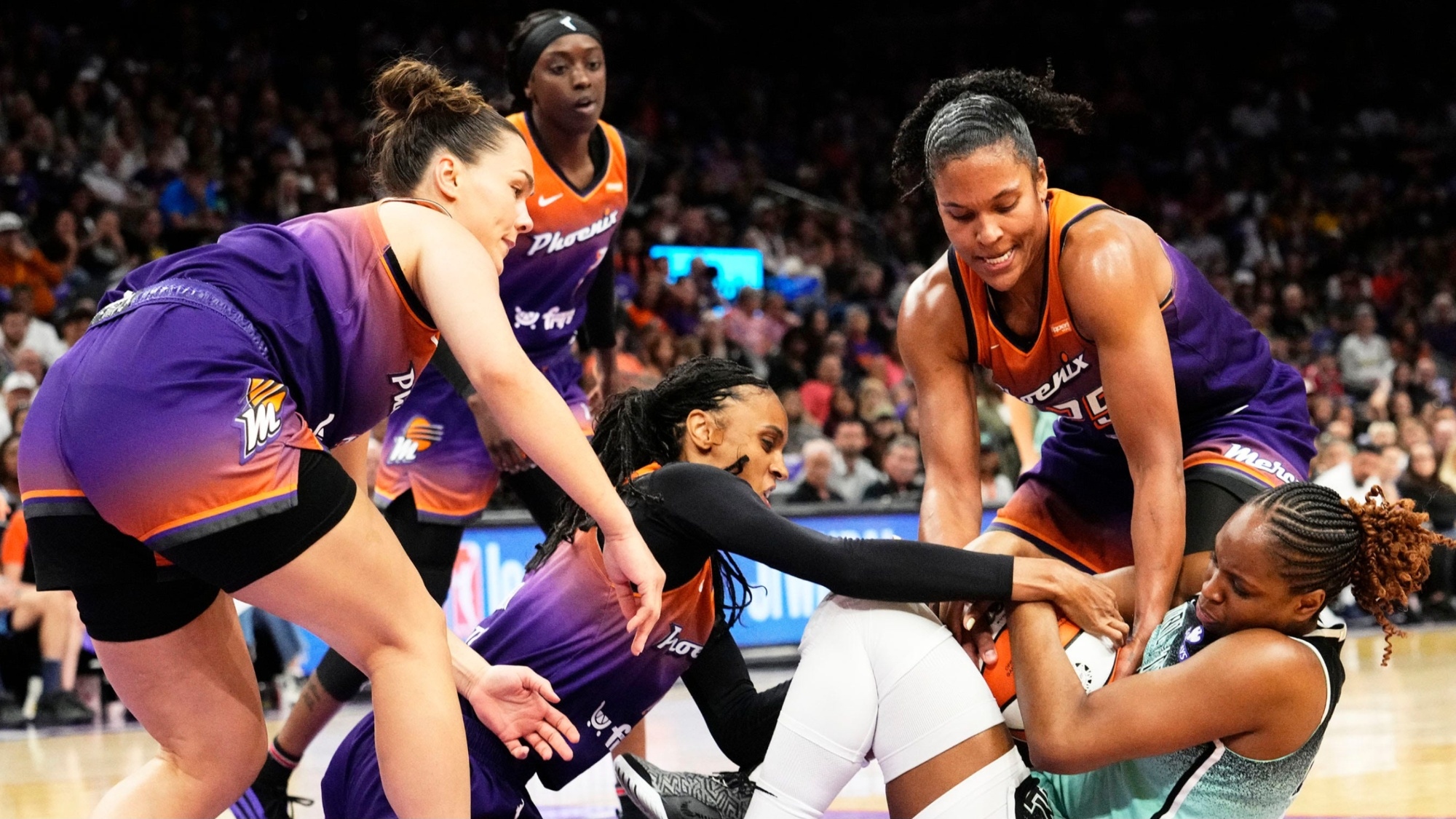

Every professional sports league has disciplinary rules, and the WNBA is no different. When players violate league policies, teams, or conduct standards, the league has the power to issue suspensions. In some cases, these suspensions come without pay, meaning players lose part of their salary for the games they miss. This fits within broader policies like the WNBA suspended games rule, which highlights how the league manages fairness and integrity when disruptions occur.
The suspension without pay rule is designed to hold players accountable while also protecting the WNBA’s integrity and image. It’s an important policy for fans to understand, especially when high-profile cases make headlines. For players, the implications can be significant, not only financially but also in terms of reputation, much like how temporary suspensions in the WNBA affect roster status and availability.
When Can A WNBA Player Be Suspended Without Salary?
A WNBA player can be suspended without pay if they break specific league rules or team policies. These situations usually involve serious misconduct, repeated violations, or actions that go against the league’s code of conduct.
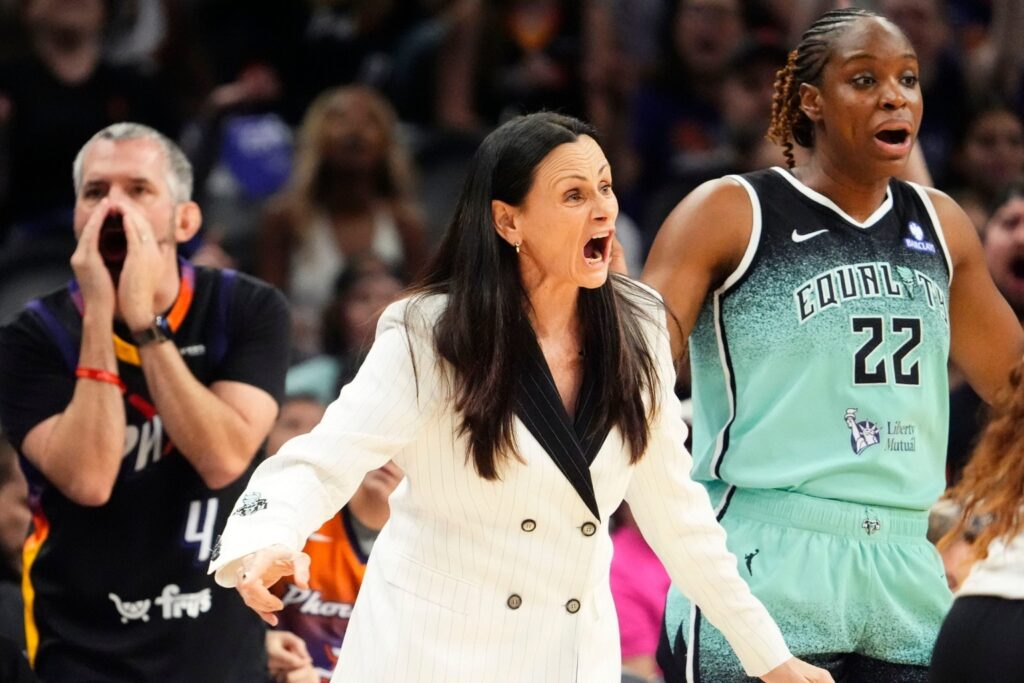
Common reasons for an unpaid suspension include:
- Violations of the WNBA’s anti-drug policy.
- Serious on-court incidents, such as flagrant fouls or fights.
- Off-court behavior that damages the reputation of the league or team.
- Contract violations or refusal to fulfill professional obligations.
When the suspension is handed down, the player does not receive a game check for each contest missed. Given the league’s shorter season, this can mean a significant financial penalty for players on standard WNBA salaries.
Scroll to continue reading
Trending WNBA News









How Long Do Such Suspensions Typically Last In The WNBA?
The length of a suspension without pay depends on the severity of the violation. In most cases, WNBA suspensions are short-term, often one to three games. This is because the league’s regular season is only 40 games long, and missing even a few contests can impact both the player and their team.
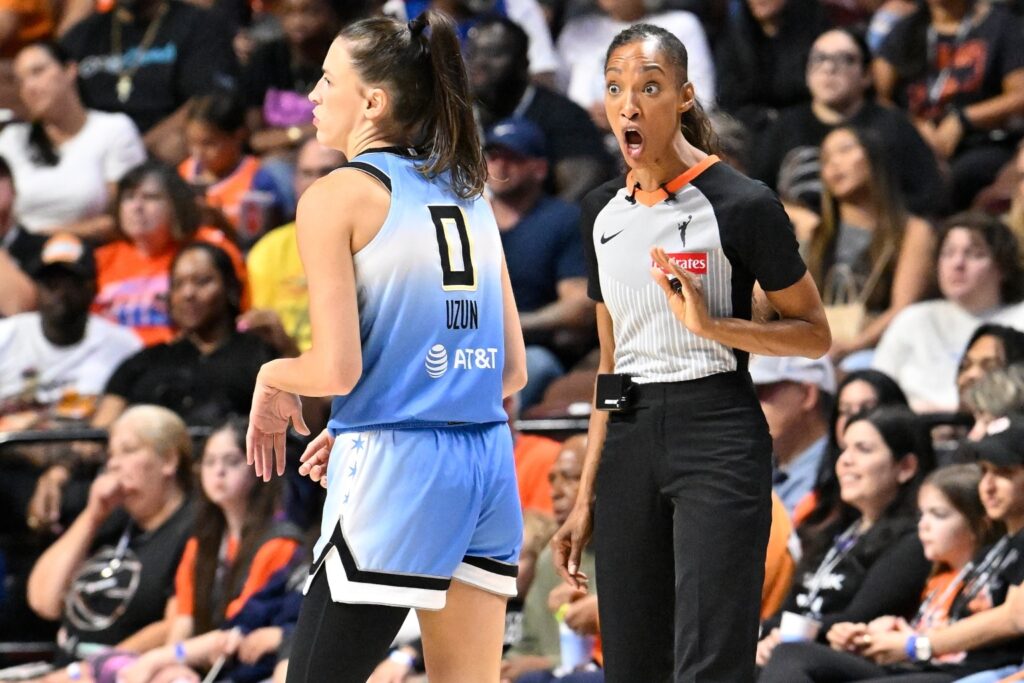
For more serious violations, suspensions can extend longer. However, it’s rare to see lengthy unpaid bans in the WNBA compared to leagues with longer schedules. The league generally seeks to balance discipline with fairness, ensuring the punishment fits the infraction.
The WNBA suspension without pay rule is key to maintaining fairness, accountability, and professionalism across the league. Players who violate policies risk losing both playing time and salary, making the penalty a strong deterrent.