


Roster moves in the WNBA can often be confusing, especially when terms like “waived” and “released” are used interchangeably. While they may sound similar, they have very different meanings under the league’s rules. These distinctions are important for players, teams, and fans trying to understand how contracts and roster spots work. For example, the waiver claim period is a crucial part of the waiver process that determines how quickly another team can pick up a player.
The difference between being waived and being released can impact a player’s salary, their ability to join another team, and even how quickly they return to the court. Similar to how the protected contract rule safeguards certain veterans, the waiver and release process ensures fairness for both players and franchises.
In this article, we’ll break down the definitions, rules, and contract implications behind both processes while keeping it simple and accurate.
What’s The Difference Between Waiving And Releasing A WNBA Player?
Though both actions involve removing a player from a team’s roster, the WNBA treats waiving and releasing as separate processes.
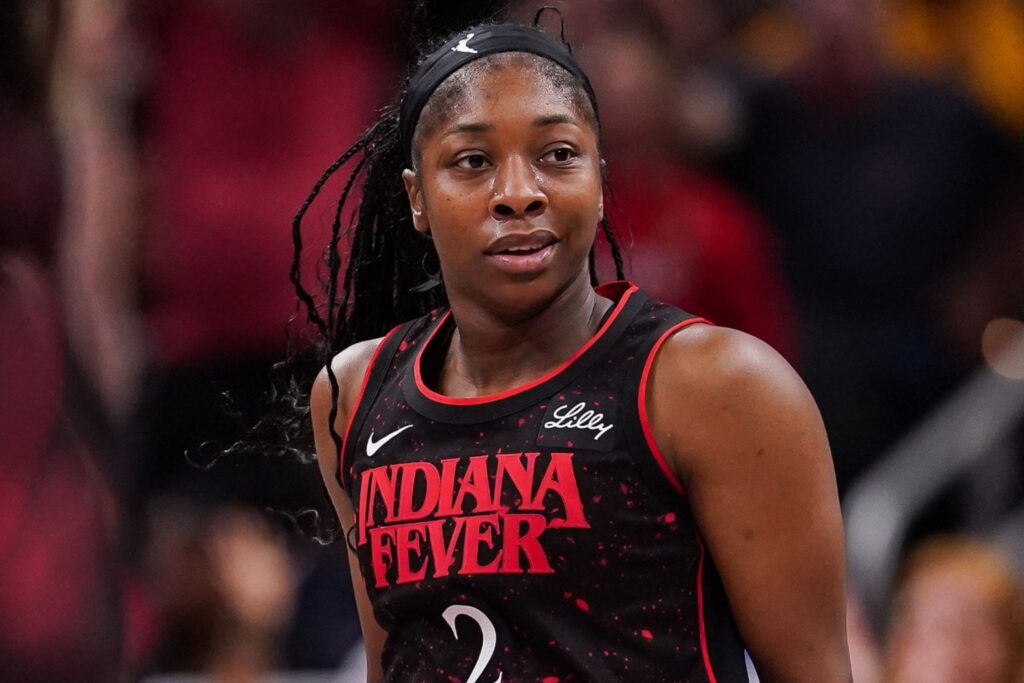
Waived Players
- A player is placed on waivers when a team ends its contract before the end of its term.
- Once waived, the player’s name enters the waiver wire, a short claim period during which other teams can sign them under their existing contract terms.
- If no team claims them during the waiver window, the player becomes a free agent and can negotiate a new contract elsewhere.
Released Players
- A release usually happens when a player does not have a guaranteed contract or is in training camp/preseason.
- Since no guaranteed deal is tied, the player is simply let go and does not go through the waiver process.
- Released players become free agents immediately.
Scroll to continue reading
Trending WNBA News










Key Difference: Waiving involves an existing contract that must be honored or claimed, while releasing usually involves players without long-term commitments.
How Do Waived Players Impact WNBA Rosters And Contracts?
Waiving a player can have financial and roster consequences for both the team and the player.
- For Teams: The waived player’s salary may still count against the salary cap unless another team claims the contract. This can limit flexibility.
- For Players: Being waived gives them the chance to be picked up quickly by another team. If unclaimed, they can sign a new deal but often for a lower salary.

This rule ensures fairness, giving other teams a chance to claim a player before they hit free agency.
How Does Releasing Work In The WNBA?
Releasing happens more often during training camp and preseason cuts. Teams invite several players to camp to compete for limited roster spots.
- If a player doesn’t make the final roster, they are released.
- Because they didn’t hold a guaranteed contract, the team doesn’t owe further salary obligations.
- These players become free agents immediately, with no waiting period or waiver claim process.
Releasing is less financially restrictive for teams and is mainly used to finalize rosters before the season starts.
How Do Both Impact A WNBA Player’s Future Contracts?
The future of a waived or released player depends heavily on timing, contract type, and market demand.
For Waived Players
- If claimed off waivers, they continue with their original contract terms.
- If unclaimed, they become free agents but may have to accept smaller deals, especially if waived mid-season.
- Their past salary may still partially count against the old team’s cap, limiting how teams handle future signings.
For Released Players
- They re-enter the free-agent pool immediately with no salary obligations tied to the releasing team.
- Since they had no guaranteed deal, future contracts depend entirely on how other teams value them.
- Many released players end up in international leagues if they cannot land another WNBA deal right away.
Why Does The WNBA Distinguish Between Waiving And Releasing?
The league separates the two processes to ensure fairness and financial transparency.
- Waiving Protects Players Under Contract: Teams can’t just cut ties without giving other franchises the chance to claim that player’s deal.
- Releasing Protects Teams During Preseason: Franchises can evaluate talent in training camp without being locked into contracts they don’t plan to keep.
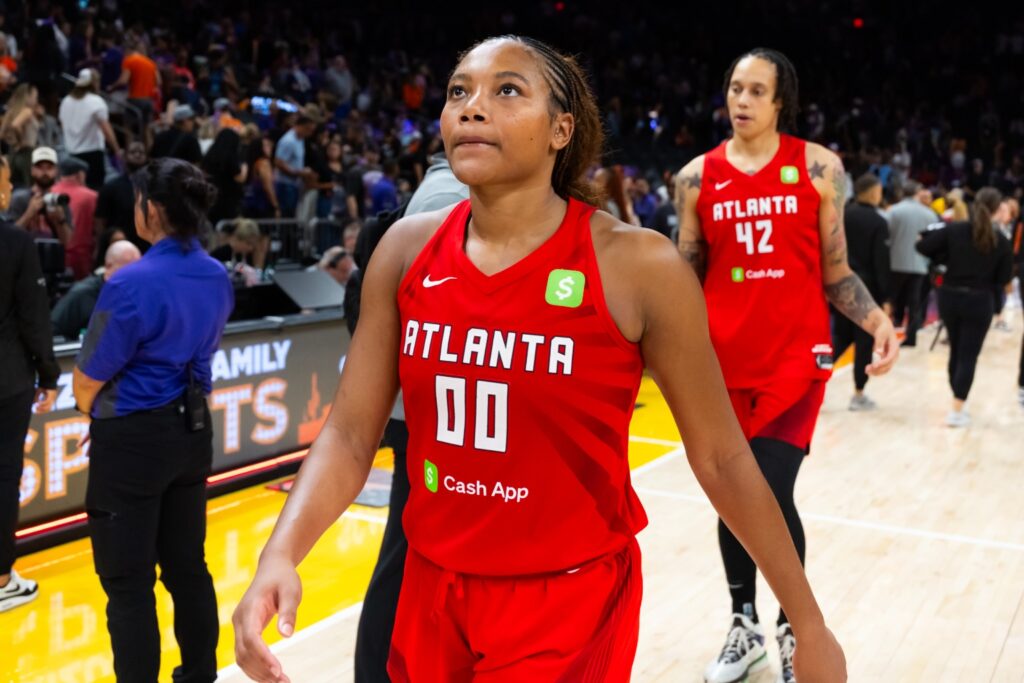
This balance ensures players with existing commitments are respected while giving teams roster flexibility.
Examples Of Waived vs. Released Situations
- Waived Example: A veteran player with a guaranteed two-year deal is waived mid-season because the team wants cap flexibility. Another team claims her contract within the waiver period.
- Released Example: A rookie training camp invite is let go before opening night. Since no guaranteed contract existed, she becomes a free agent immediately.
Conclusion
The difference between waived and released players in the WNBA is more than just terminology. Waiving involves ending an existing contract and placing the player on the waiver wire, while releasing generally applies to players without guaranteed contracts, often during training camp.
Both processes impact salary caps, roster spots, and a player’s career path differently. For veterans, being waived may still offer financial security or another opportunity quickly. For young players, being released often means going back to free agency or seeking international opportunities.
Understanding these rules helps fans, analysts, and even players better navigate the complex world of WNBA contracts and roster management.
FAQs About WNBA Waived vs. Released Player Rule
Q1: What does it mean when a WNBA player is waived?
When a WNBA player is waived, it means their team has ended their contract before it expires. The player then enters the waiver wire, giving other teams a chance to claim them under the same contract terms. If no team claims them during the waiver period, they become a free agent.
Q2: What does it mean when a WNBA player is released?
A release usually happens when a player doesn’t have a guaranteed contract, often during training camp or preseason. Released players are cut from the roster and immediately become free agents, with no waiver process involved.
Q3: How long is the waiver claim period in the WNBA?
The standard WNBA waiver claim period is 48 hours. During this time, other teams can claim the player’s existing contract. If no claim is made, the player becomes an unrestricted free agent.
Q4: How does being waived affect a player’s salary?
If a player is waived while still under a guaranteed contract, part or all of their salary may still count against the original team’s salary cap unless another team claims them. Released players, on the other hand, usually had no guaranteed deal, so no salary obligations remain.
Q5: Can a released WNBA player sign with another team immediately?
Yes. Unlike waived players who must first clear the 48-hour waiver process, released players are free agents instantly and can negotiate with any team right away.
Q6: Why does the WNBA have different rules for waiving and releasing?
The league separates these processes to protect both sides. Waiving ensures fairness for players with existing contracts, while releasing allows teams to finalize rosters during training camp without being locked into deals they don’t intend to keep.