

The league that started with eight teams in 1997 will have 18 by the start of the 2030 season. The league is getting competitive, inclusive, and younger to some extent. While the established stars dominated the league for years (with a few exceptions of top-draw rookies), the league is now driven by rookie classes. It is fair to say that the WNBA is the world’s toughest women’s basketball league and is currently undergoing significant changes.
There are more fresh faces in the record books already. Leaders like Caitlin Clark, Paige Bueckers, Angel Reese, Sonia Citron and Kiki Iriafen are directing the traffic. Now, with the five new teams ready to jump in the next five seasons, there are hot discussions over filling in those 60 new spots – 12 players in each team. However, there is one solution that came to light back in 2021.
Caitlin Clark And Paige Bueckers’ Rise Challenging WNBA’s Set Of Rules
The year when college freshers were making news more regularly than ever and stealing the spotlight from the pro league. The 2021 NCAA Tournament saw three emerging and potent stars tailor-made for the pro league—Jalen Suggs, Paige Bueckers, and Caitlin Clark, all in their 19s and yet dominating the floor.
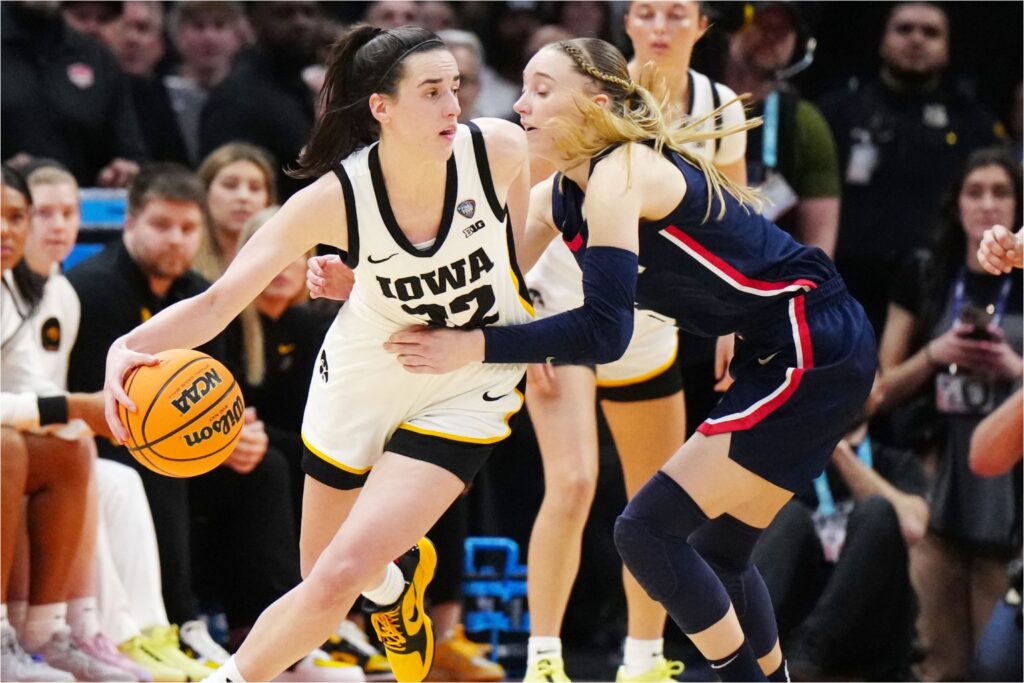
A month later, Suggs was eligible to play in the NBA after the NCAA tournament. Paige and Clark had at least three more seasons to wait. And now, in 2025, when they are finally playing at the pro level, they are already the face of the team. The franchises are looking to build around rookies. A simple reason for this was the difference in age restrictions. The age limit for the NBA eligibility is 19, while it’s 22 for the W. There are a few relaxations for international players, but can’t the league use similar rules for U.S. college graduates? In the recent NBA draft examples, soon-to-be 19-year-old Cooper Flagg becomes an NBA player, and there are hardly any debates over his ability to impact the games.
Will Age Limit Relaxation Help WNBA And Players?
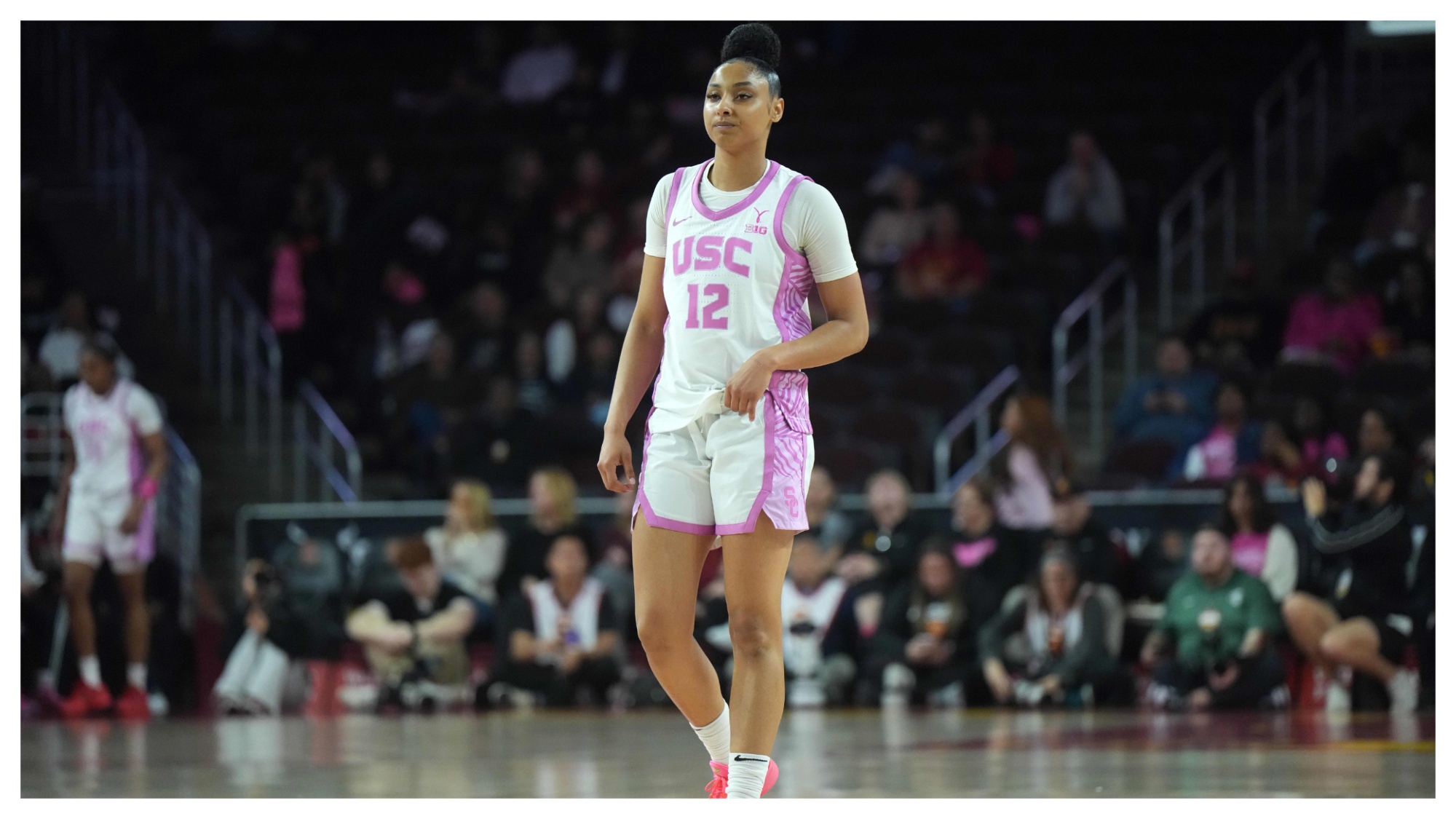
Modifying the age limit of WNBA eligibility does not mean any young player would move right into the league. The selection process and quality parameters will remain the same, allowing the W to keep its competitive nature at the expense of little exclusivity. The top player of the current college crop – Juju Watkins, also chimed in about the age barrier while on the ‘Good Game With Sarah Spain’ podcast.
“I definitely think we should have the option. There’s just been such a growth in college basketball where it’s like, why would you want to leave? Because you’re able to have that experience and build your brand here in college as well. I would definitely say we should have the option, but I think college is a way to prepare us for the pros as well. So, I don’t know. It’s a touchy subject, but I’m for it.” Watkins told Sarah.
Scroll to continue reading
Trending WNBA News








The WNBA is still in charge of giving franchises and players an option. If both parties agree, the transition of college-level players to the pro league will be quicker. The other leagues in the U.S. have flexible rules for college student eligibility. Another booming sport, soccer, has its successful NWSL (National Women’s Soccer League. The U.S. women’s pro sports league allows the signing of players younger than 18 and caps it at four players. A successfully running model would be the best example for the WNBA.
Possible Upside Of Younger Players Joining The League
‘The WNBA pay’ has been a topic of discussion for years now. Juju Watkins’ NIL deals are worth more than the salaries of the WNBA players. A few other players in college also earn more than the rookie scale contracts and opt to stay in college. Their popularity would not only help ‘W’ grow faster. The new broadcasting deal that was signed allows the WNBA to bank on the talented younger generation. It will also encourage young players to work hard towards earning spots in the growing and glowing league.
The 2022 CBA was centered around increased compensation, earlier unrestricted free agency, better travel and accommodations, and enhanced maternity benefits. The upcoming CBA will have multiple discussion points, and age eligibility could be one of them.