
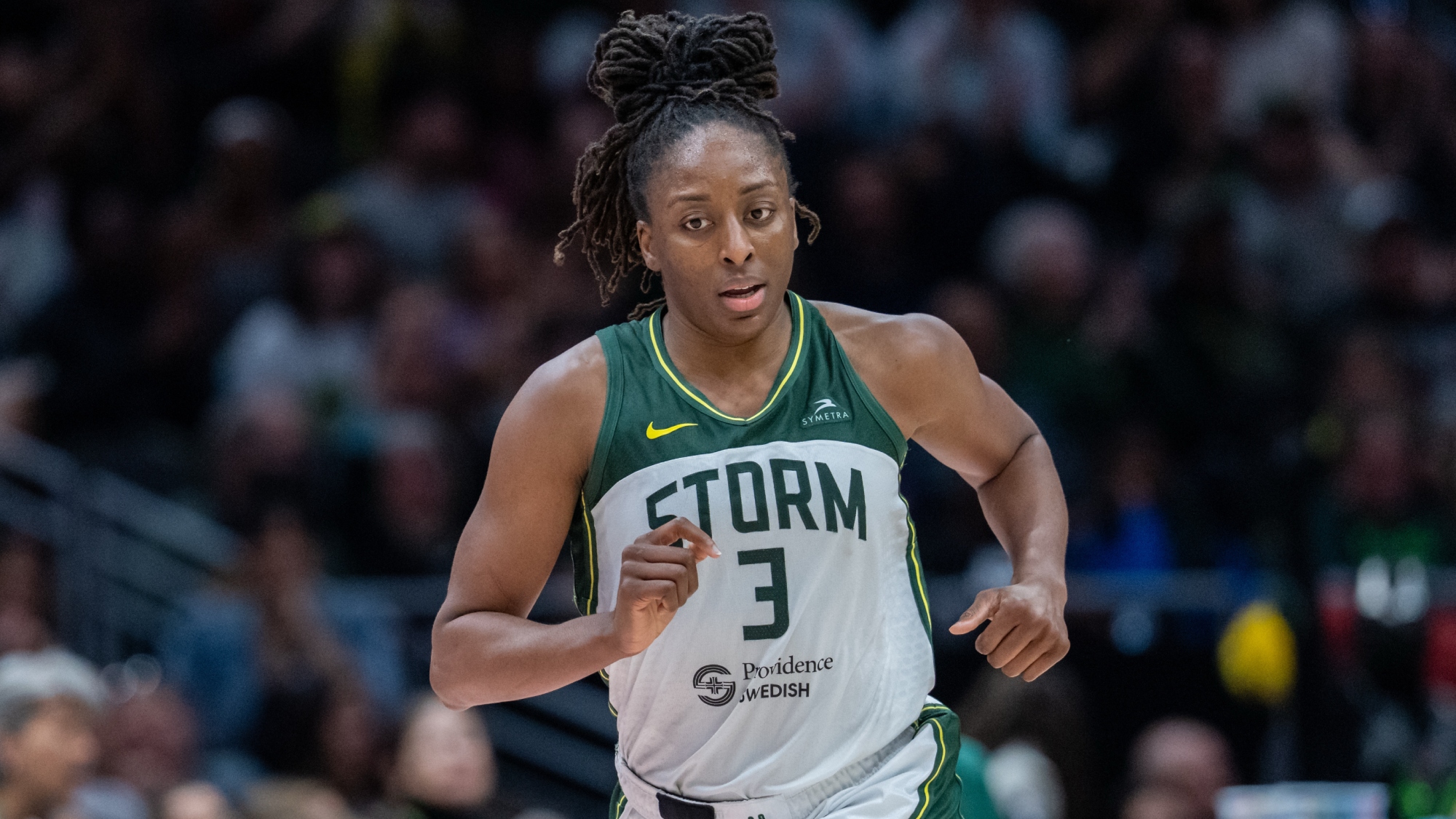

The WNBA’s collective bargaining clock struck midnight Friday, but the game didn’t stop.
A last-minute 30-day CBA extension kept talks alive, pushing the deadline to November 30 as players and league brass wrestle over revenue splits and pay scales.
Nneka Ogwumike, WNBPA president and Seattle Storm forward, broke her silence Sunday on NBC News, framing the move as a strategic pause, not a surrender.
Nneka Ogwumike Speaks Out On CBA Extension
With the league’s $2.2 billion media deal fueling player demands, Ogwumike’s push highlights the need to maintain pressure without losing momentum.
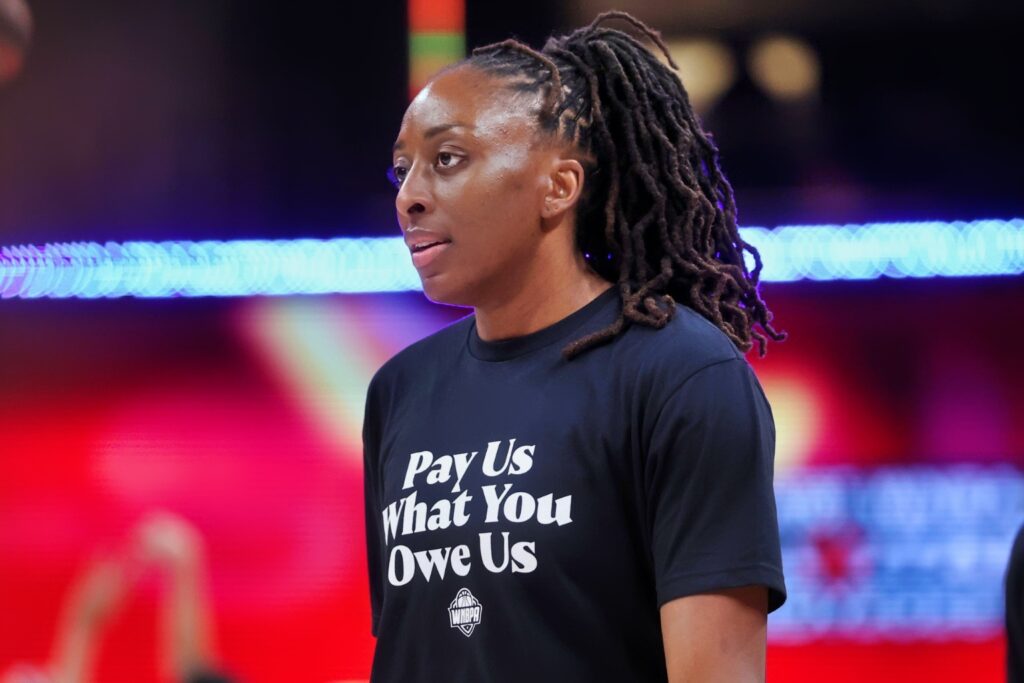
However, Ogwumike called the extension “another historical day” and a step toward “a transformational negotiation.” She explained the initial hesitation when the WNBA offered the 30-day buffer earlier this month.
“Two weeks ago, the league offered an extension, but at the time, we felt the circumstances necessary for our agreement to an extension weren’t quite met, but in the last few days, we felt the negotiations had evolved… being able to continue on in good faith with these negotiations, with an agreement of an extension, albeit we wanted to maintain the urgency to reach what we want and know that it will be a transformational CBA,” Ogwumike said.
Scroll to continue reading
Trending WNBA News

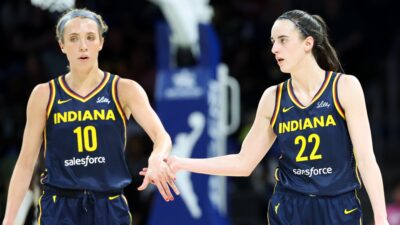
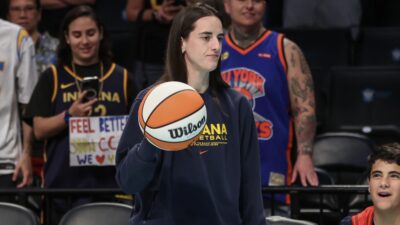
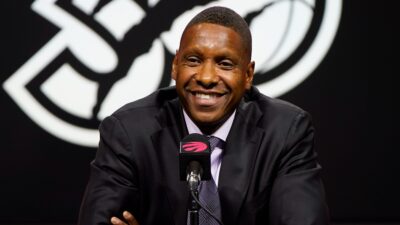
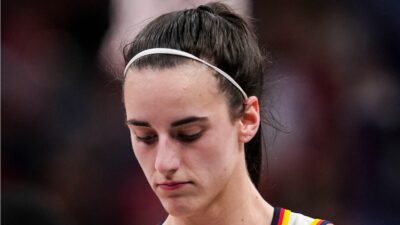
The delay, she said, stemmed from a negotiation stall. While the players wanted more than a time-out, they sought progress. The catch? A 48-hour opt-out clause allows either party to withdraw, maintaining the urgency.
However, ESPN reported the union’s initial silence on the October offer, with a source noting “circumstances do not yet exist” for a yes three days before the deadline.
Nneka Ogwumike Clears WNBA Players’ Demands In CBA
On Sue Bird’s podcast, Ogwumike outlined the players’ core asks, rooted in the broken trust stemming from the 2020 CBA.
According to her, they “were hopeful in the last CBA, we trusted what we’re experiencing right now.” But the veteran also pointed out “that trust has to yield that hope is now a reality.”
However, players want a revenue-sharing model similar to the NBA’s 51% of basketball-related income (BRI), rather than the current 9-10% or the league’s proposed fixed cap with uncapped bonuses tied to targets.
The 2020 deal promised growth time. Now, with money flowing, players demand a cut that scales with business.