
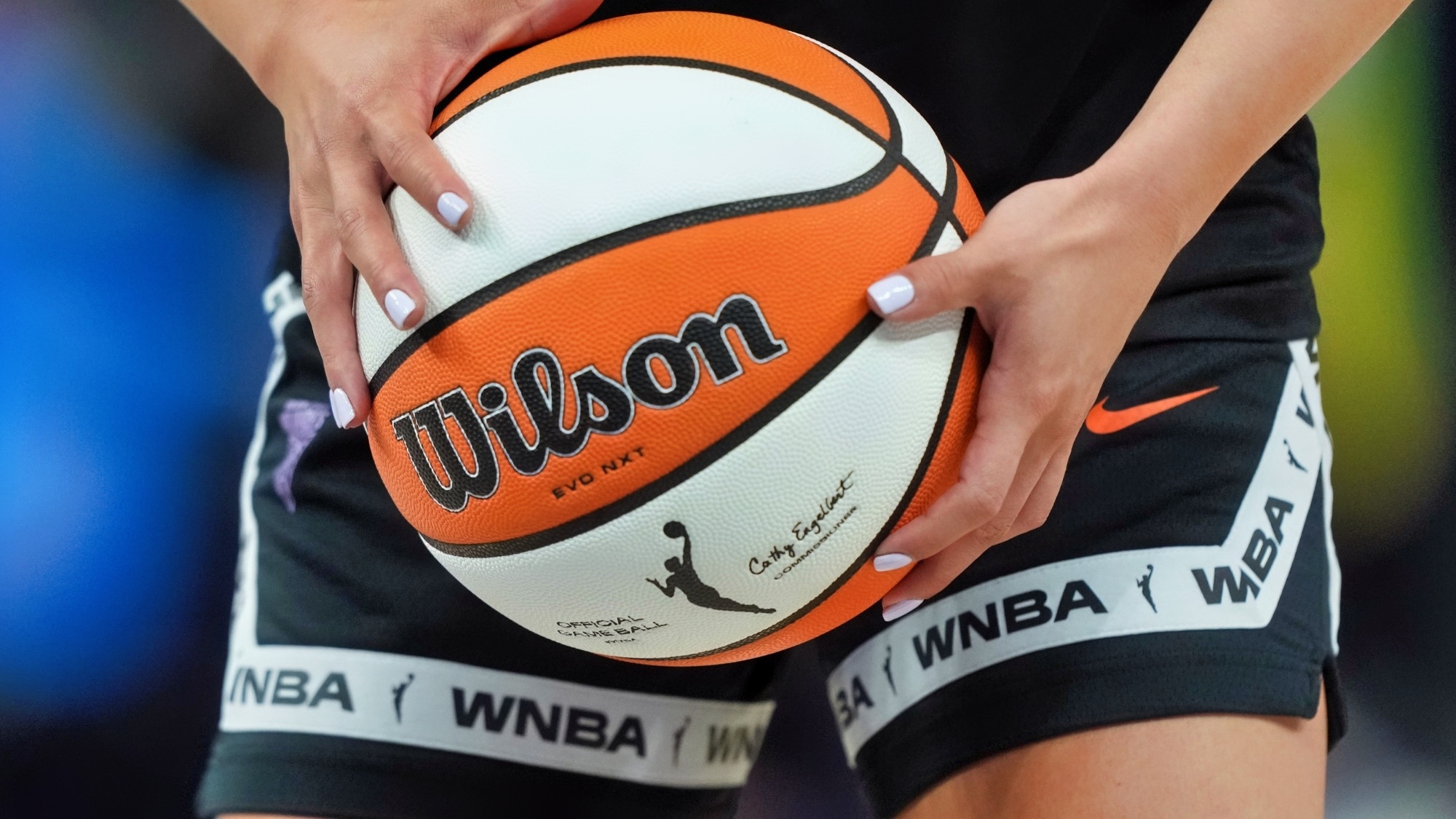

The WNBA season is all set to kick off on May 8. This year, the women’s basketball league is entering its 30th season. But before things fell into place, there were a host of problems that had to be solved. Earlier last year, the players started to question the lack of pay equity.
Playing in the All-Star game last year, the WNBA athletes held a protest in unison. Thankfully, after a lot of back and forth, the stalemate was finally broken. As the board of governors came up with a new CBA deal, the WNBA stars were granted with raised salaries and better revenue-sharing percentages. But looking back at the history of the game, it is evident that women’s basketball has undergone a drastic change in the last 30 years.
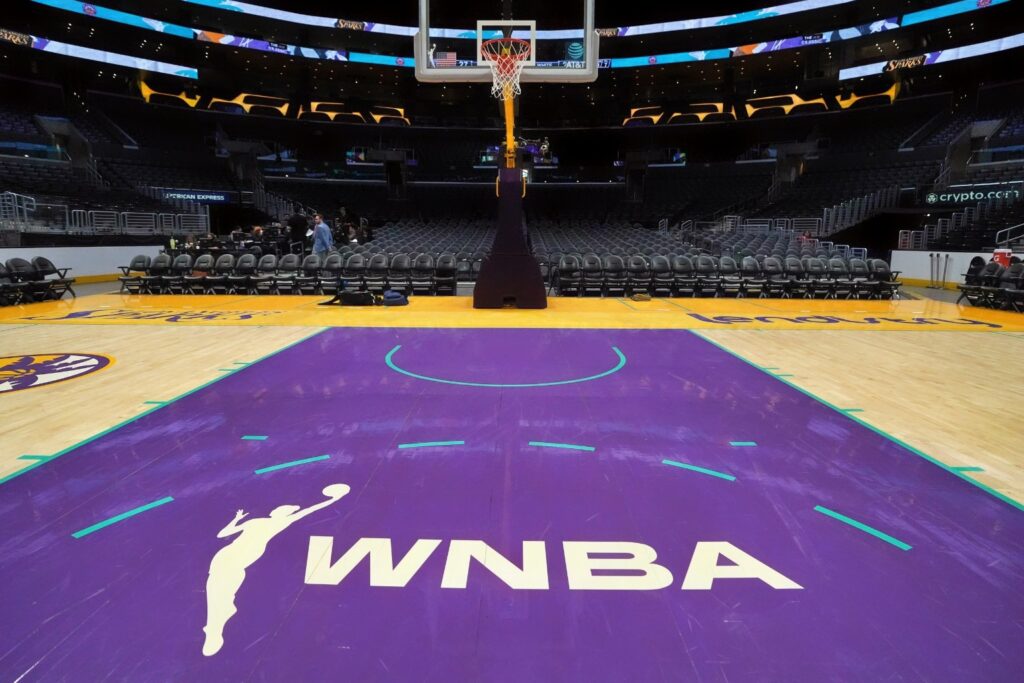
How Did It All Start For The WNBA?
Back in the 1996 Olympics, the NBA wanted to test out the women’s league. Thus, they bankrolled USA Basketball’s 96 national team. The aim was to see whether they could secure gold in Atlanta, hyping up the interest for the launch of the WNBA in the process. Thankfully, the ploy worked. With the likes of Sheryl Swoopes, Lisa Leslie, and Rebecca Lobo, the US women presented a dominating brand of basketball that captivated the fans.
Now then, despite having the blueprint of the league ready, Val Ackerman was unable to bring it to reality. That’s because the then-NBA commissioner, David Stern, was reluctant to give the green light. He stated that the WNBA would only come to fruition if the product found a suitable television deal. Luckily, Stern had a friend at NBC, Dick Ebersol.
Upon proposing the idea, Ebersol was immediately impressed. Agreeing to the plan, the WNBA had its first broadcasting rights, where NBC did the Saturdays, while ESPN and Lifetime did Mondays and Fridays.
What Has Changed In 30 Years Of WNBA?
Initially, the league saw unprecedented growth. There were 16 teams within four years. Unfortunately, that is when reality kicked in. With expenses like the salaries, sponsorships, and arena bills, the owners found it pretty hard to sustain. One by one, teams began to vanish. Back in December 2008, the Houston Comets bid adieu to the women’s league. This was a sign that the owners were ready to throw the white towel and call it a day. The end of the WNBA was here.
Scroll to continue reading
Trending WNBA News

![NBA 2K26 Adds Sonia Citron’s Viral Emote In New Update [VIDEO]](https://wnbatake.com/wp-content/uploads/2026/05/Sonia-Citron-400x225.jpg)
Thankfully, Stern did not give up. And his relentless pursuit to save the league bore some rich fruits. Striking up a multimillion-year deal with AOL, the league got breathing space. Bringing in further happiness for the WNBA was the launch of Instagram. Promoting their product on social media saw a significant boost in turnout. And then from 2010-24, the league decided to consolidate, settling into a 12-team structure.
The Surge Post 2024 That Changed WNBA For Good
Come 2024, and the WNBA was not ready for the skyrocketing hype. As Caitlin Clark and Angel Reese joined the league, the viewership immediately skyrocketed. Along with them came the brands. A lot of them. Interestingly, the league now has 13 sponsors that are not tied to the NBA. Procter & Gamble and Mars are the two new entrants this season. The other brands associated are Ally Financial, Delta, Deloitte, Dick’s Sporting Goods, Bumble, Coach, Mielle, State Street Investment Management, Spy, Skechers, and Reebok.
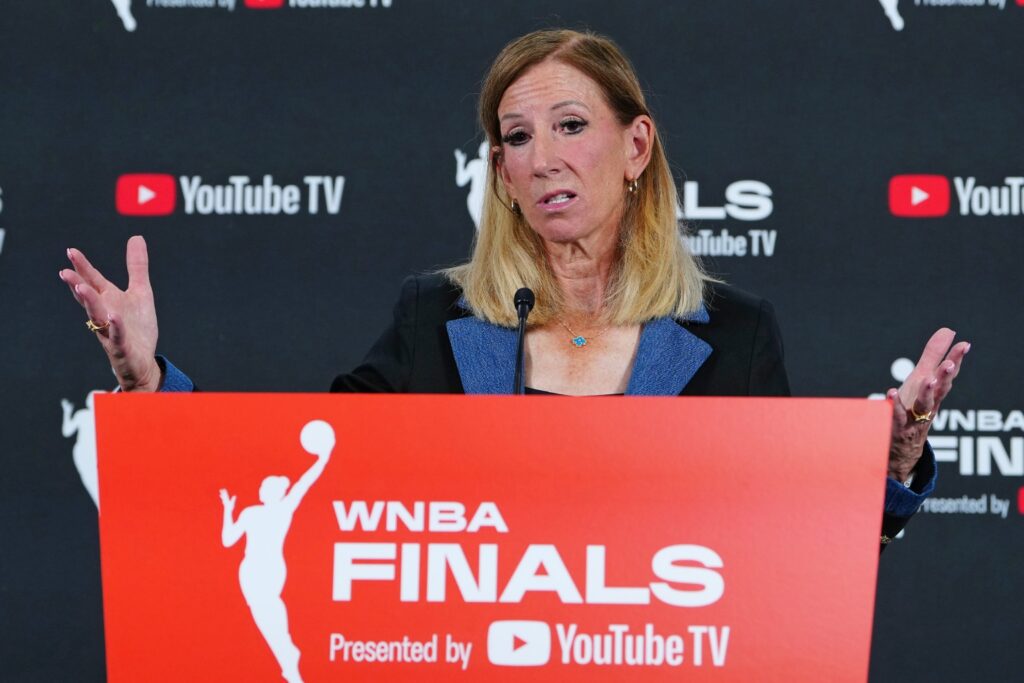
In 2026, the league boasted of having an 11-year, $3.1 billion media rights deal with weekend games on NBC, ABC, and CBS. Not only that, but the WNBA has also topped the revenue growth chart. With $1.4 million in max salaries granted this year, the league surely looks to be in a better place than it was 30 years back. Now, with a lot of responsibilities on Caitlin Clark, Angel Reese, Paige Bueckers, and more, fans cannot wait to see which other barriers the WNBA breaks next.