
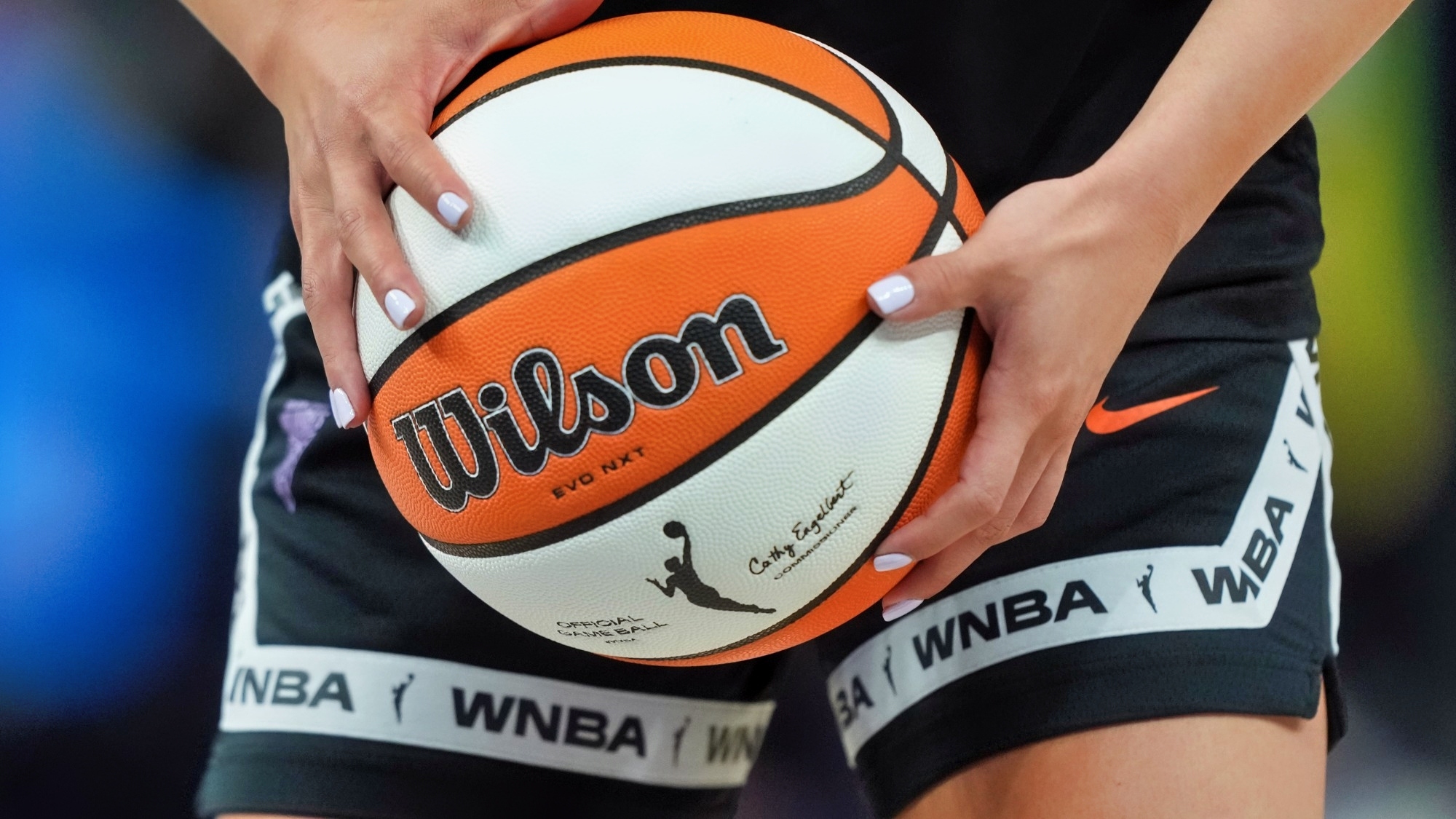

The WNBA kicked off in style on May 8, 2026. Entering its 30th season, the league is brimming with excitement and anticipation for a brand new season. Especially because 2026 will be the year when the athletes will be playing with a significantly raised salary structure.
As the WNBA board of governors approved the new CBA, it marked an end to the longstanding feud between the players and the league came to a close. Now, looking at the quality of the game, there is no doubt that women’s basketball has evolved drastically. Surprisingly, the rookies and the bench depth of the franchises have become much better than they were before. Looking back at how it all started and what has changed, here’s a detailed analysis of the last 30 years.
From 1998 To 2026: The WNBA Rookie Class Had A Wild Journey
Back in the days, the rookies seldom had a telling impact on the game. But as the decades rolled over, the youngsters started to dominate the NCAA realm. In turn, they protected the ball better and also brought in a three-point shooting revolution. Looking at the stats from the last three decades, the bench players’ shooting went from 49% to 51% between 1997 and 2025.
Next up, the three-point shooting also saw a leap from 30% to 31%. While the numbers might look huge, the impact it had is what makes the WNBA attract significantly more crowds than before. More data suggests that players are more comfortable shooting from behind the arc. The 1997 stats show the bench players attempted only 20% from behind the arc. This has now gone up to a whopping 33%.
Top 5 WNBA rookie performances after opening weekend:
— E J 🏀 (@EJayArrow) May 11, 2026
Pauline Astier (Liberty) vs Mystics
▪️18 PTS (6-10 FG)
▪️5 REBS
▪️7 ASTS
▪️2 STLS
Jovana Nogić (Mercury) vs Las Vegas
▪️19 PTS (4-5 from 3PT)
▪️4 ASTS
▪️2 STLS
Olivia Miles (Lynx) vs Atlanta
▪️21 PTS
▪️3 REBS
▪️8 ASTS
▪️2…
Coming to the rookies, the newcomers, too, are not afraid of taking the shot from a distance. Back in 1998, the rookies had only 21% three-point attempts, compared to 2025’s 37%. A stat that has nearly doubled. Such a change in mindset can be attributed to the NCAA. Till 2014, the numbers remained pretty stationary for the rookies. It was only after the college games saw a rise in three-point shooting that the WNBA, too, benefited.
Scroll to continue reading
Trending WNBA News


![NBA 2K26 Adds Sonia Citron’s Viral Emote In New Update [VIDEO]](https://wnbatake.com/wp-content/uploads/2026/05/Sonia-Citron-400x225.jpg)

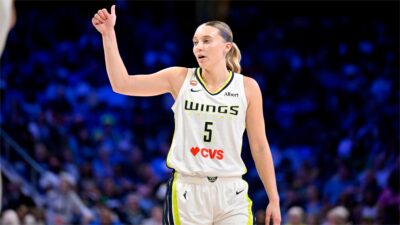
Meanwhile, with the league buzzing at the moment, a stark example of the rookies taking all the spotlight is Caitlin Clark and Paige Bueckers.
How Have Caitlin Clark And Paige Bueckers Changed The Game For The WNBA Rookies?
Bueckers and Clark are surely two names who have boosted the stats significantly. Coming in as the Iowa Hawkeyes’ superstar recruit, Clark hit a staggering 122 three-pointers in 355 attempts. And that’s not all. The 24-year-old’s eFG% in her very first year was .522. Surprisingly, with this percentage, the rookie star could have easily cracked into the top 10 back in 2002. But in 2024, Clark barely missed the top 20!
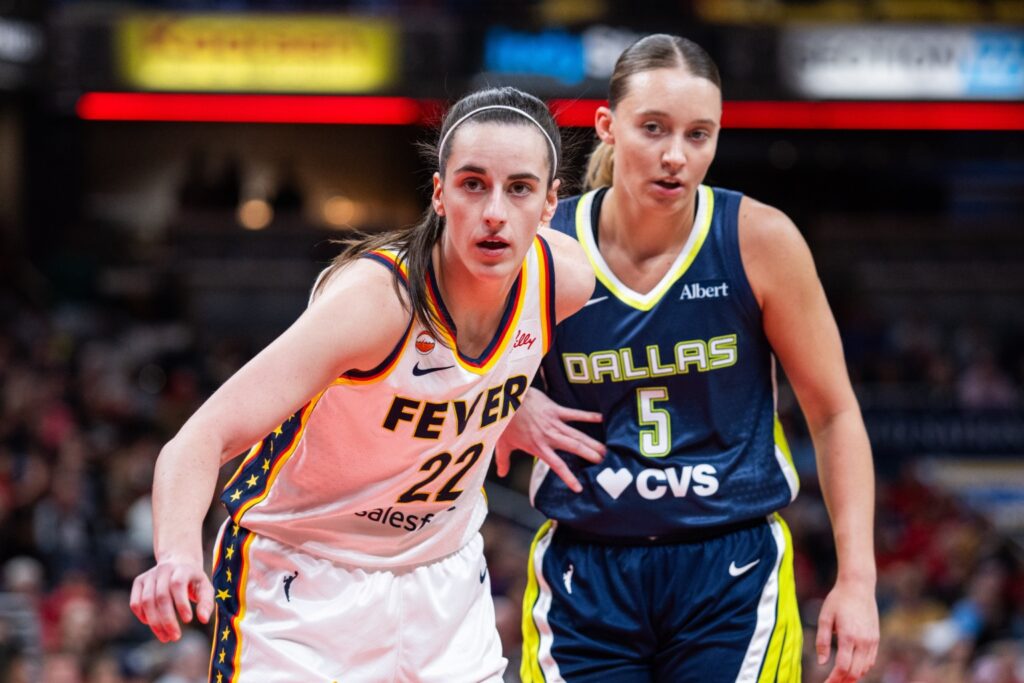
Coming to the Dallas Wings’ star, Bueckers too, has been carrying forward the legacy Clark brought in. As a rookie playing for the first time, the 23-year-old dropped 39 three-pointers in 118 attempts last year. She, too, posted an impressive eFG% of .513.
Now, while these names are relatively new, the rookie transition was already in place some years back. And the biggest example is A’ja Wilson in 2018. Averaging 20.7 points with an eFG% of .462, Wilson is now a stalwart of the league. Last year, her Finals MVP performance helped the Las Vegas Aces clinch a third WNBA title in a span of four years. Till now, the Aces star has won 7 All-Star honors, four MVP awards, and three championships in the WNBA.
And all of this progress has only helped the league to boom further. Recently, the WNBA joined hands with AWS in a historic partnership.
Thus, with women’s basketball booming, fans will hope that the only path forward is upward growth for the WNBA.